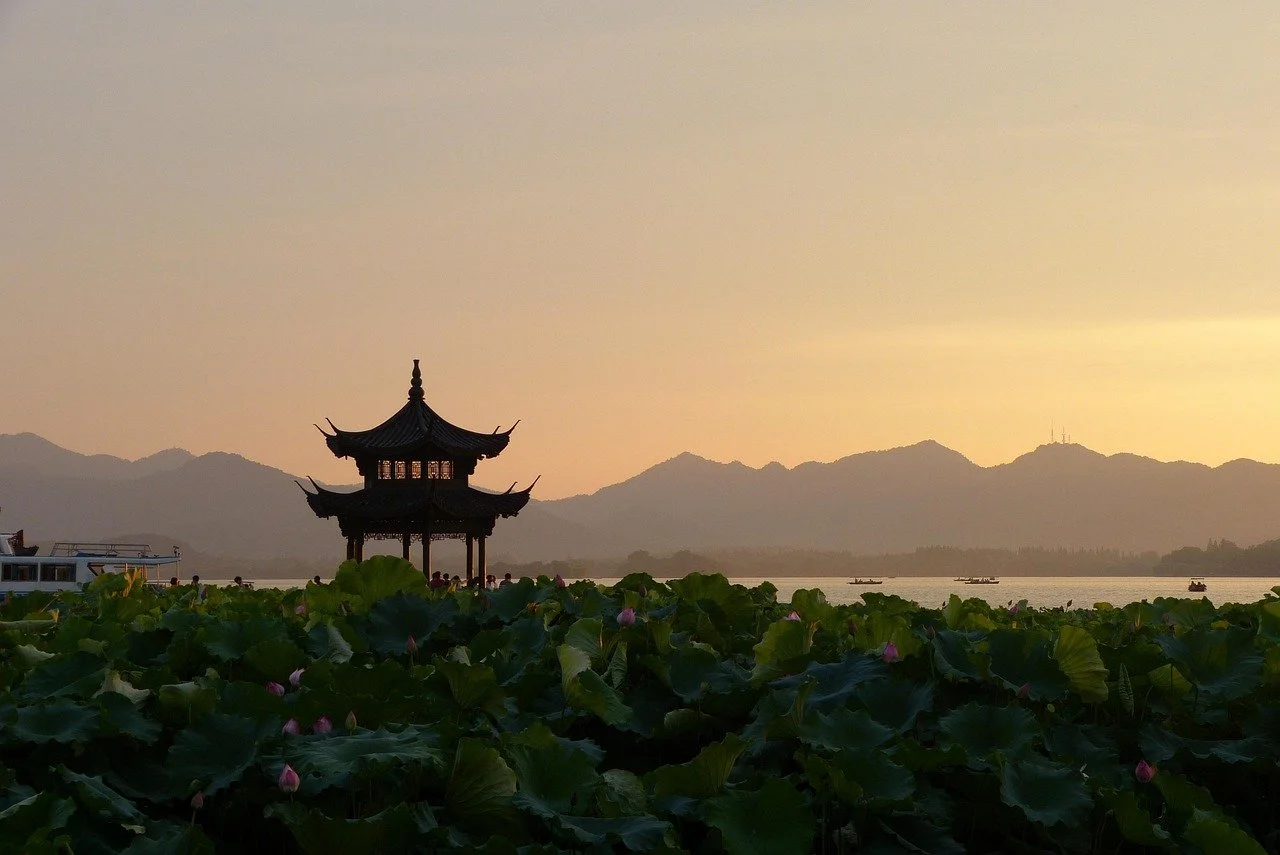
Taste of the Orient
Whether it’s the scenery, the people, or the culture, the Orient captures the imagination - transport yourself to ancient landscapes and architecture that’s recognised across the world, there's so much here for you to explore.
Will you be drawn to the decorative beauty of temples, lanterns, textiles or ceramics. Perhaps oriental portraiture inspires you, capturing quiet expressions, or the colour and intricate patterns of traditional dress - or maybe this theme leads you somewhere more symbolic or abstract.
Where will your explorations take you - will you wander through mist-covered mountains, blossom-filled gardens, crowded street markets, or glowing city streets at night? Will your inspiration come from history, mythology, calligraphy, music, storytelling, or ancient traditions?
Perhaps it’s the rhythm of repeating patterns, the richness of colour, or the balance and harmony of these cultures that captures your attention.
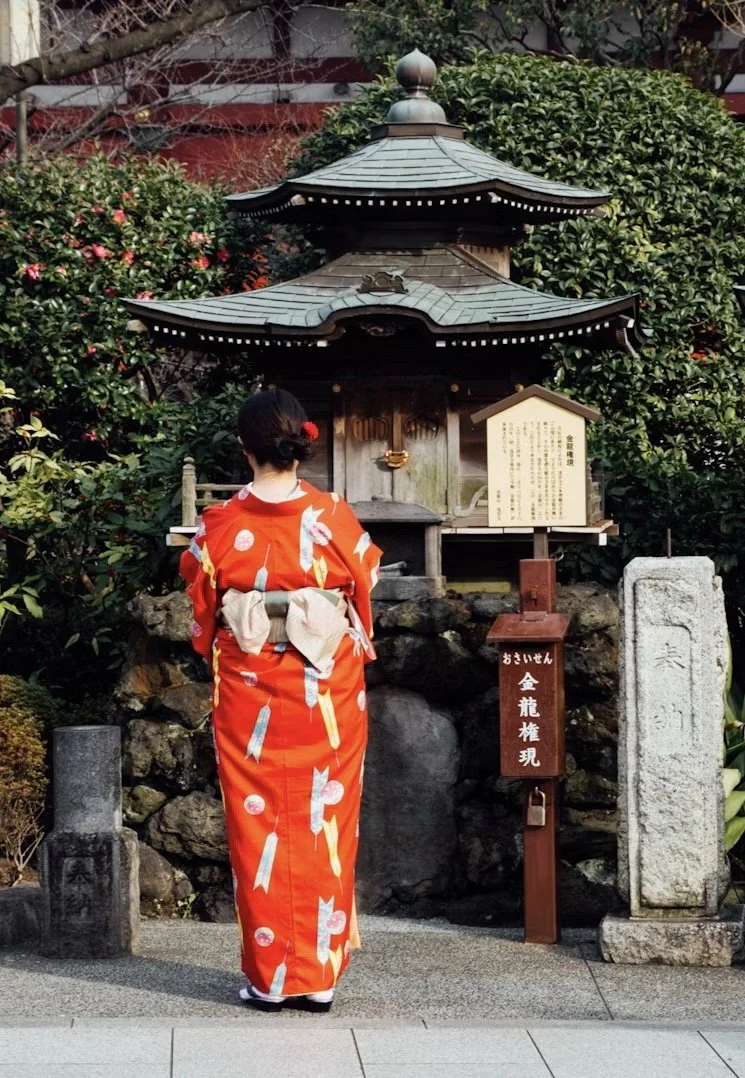
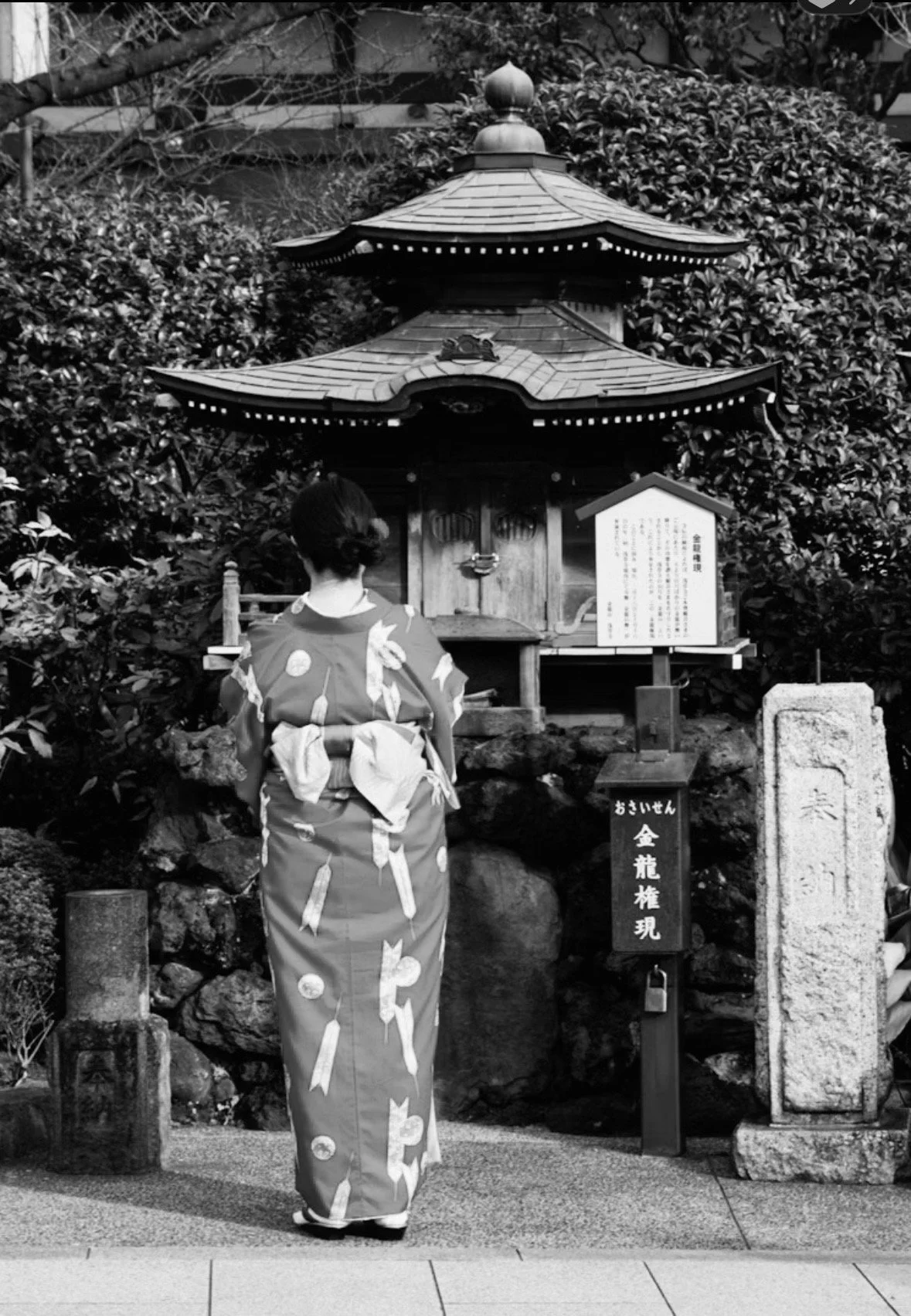
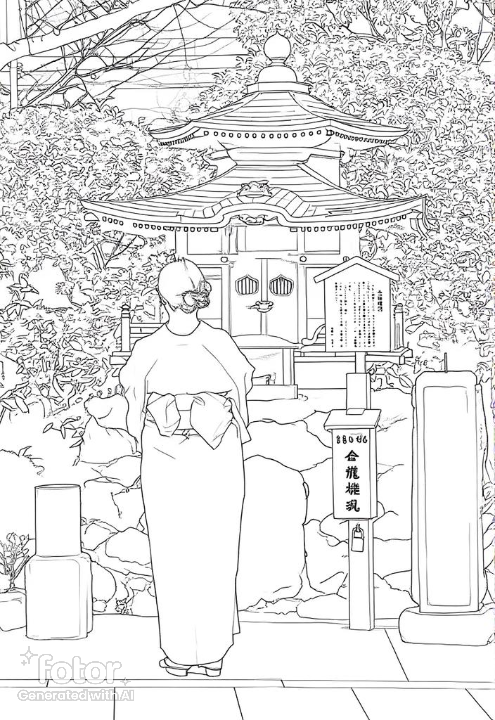
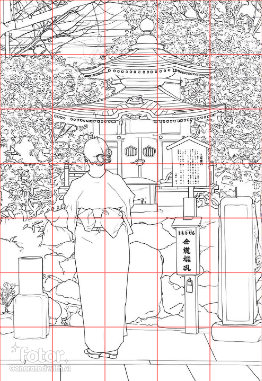
You may find inspiration in traditional Oriental art forms - brush painting, woodblock prints, calligraphy, decorative screens, ceramics, or textiles. Have you ever experimented with Chinese brushes or bamboo pens - could the flowing quality of line become part of your exploration?
Or perhaps this theme becomes more about atmosphere, symbolism, spirituality, or history. You might focus on contrasts: ancient and modern, busy and peaceful, delicate and bold, nature and architecture. Wherever your investigations lead, I hope this theme offers you a spark of excitement and a thread to follow. Enjoy the journey, and I look forward to seeing where your creativity takes you.
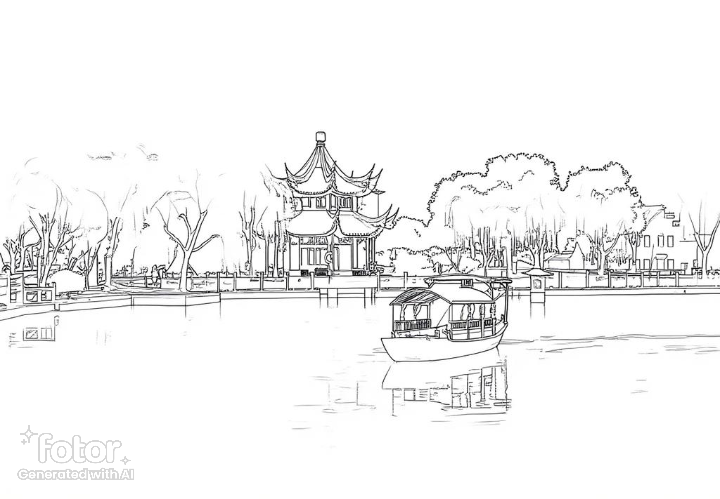
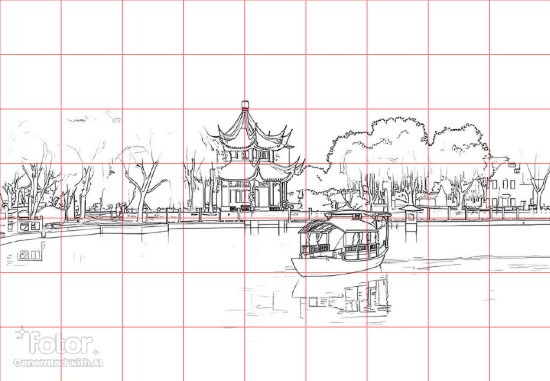
As you begin, consider the format of your work - how could the shape of the painting enhance the subject? Could a panoramic composition suggest the vastness of the landscape more effectively - or might a square format create more balance and calm?
Does the subject suggest a particular type of medium - the softness of watercolour, rich acrylic colour, textured mixed media, or a detailed pencil or pen work? Would expressive marks help convey movement and energy, or does the theme call for stillness and precision? Could collage work for your idea - applying layers of papers, gold leaf or textured fabric into the surface so it becomes part of the work itself?
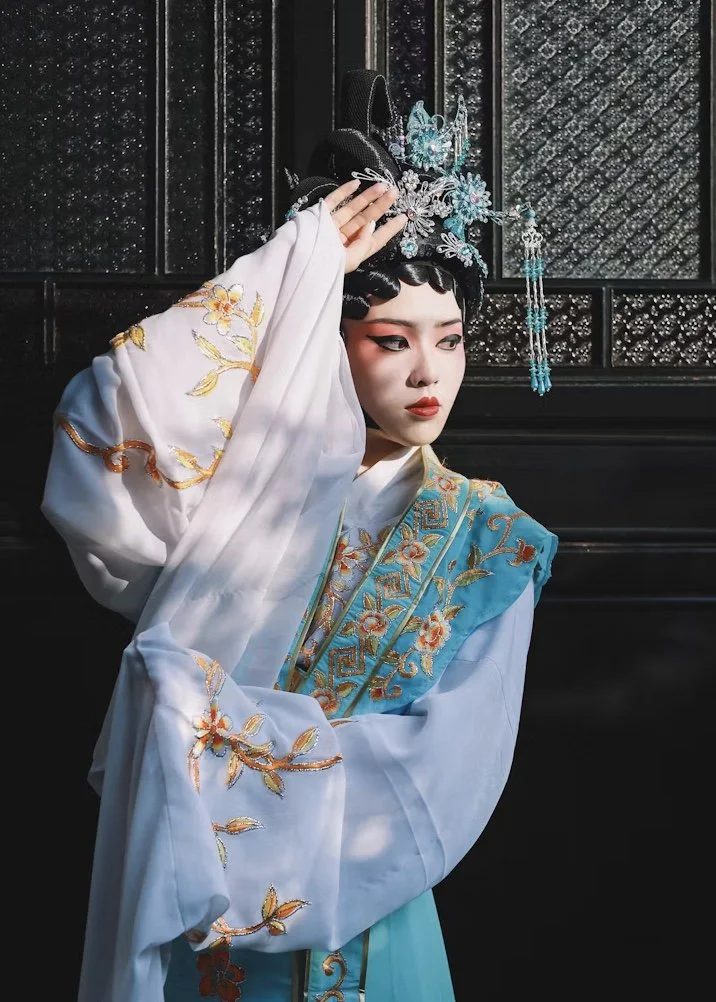
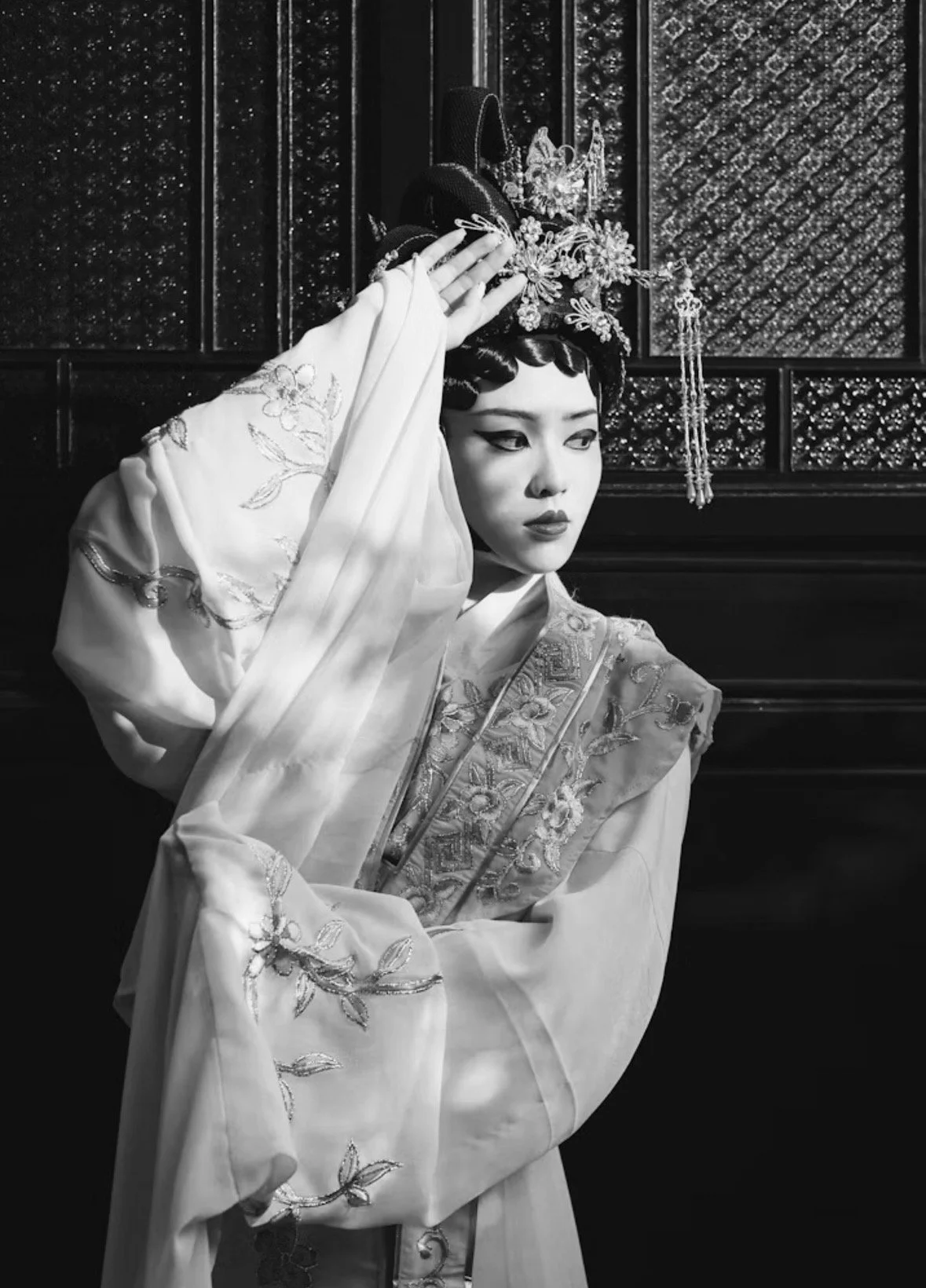
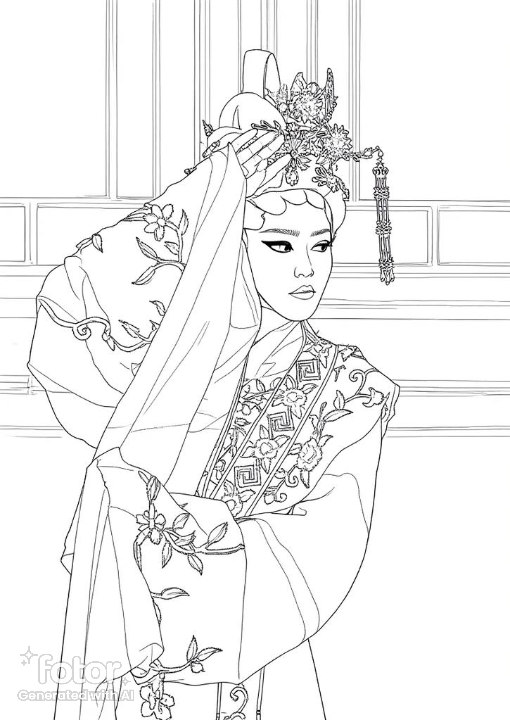
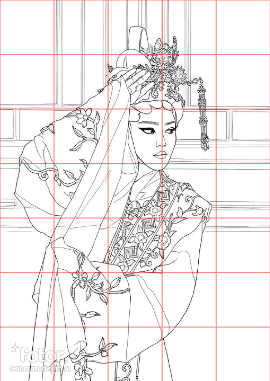
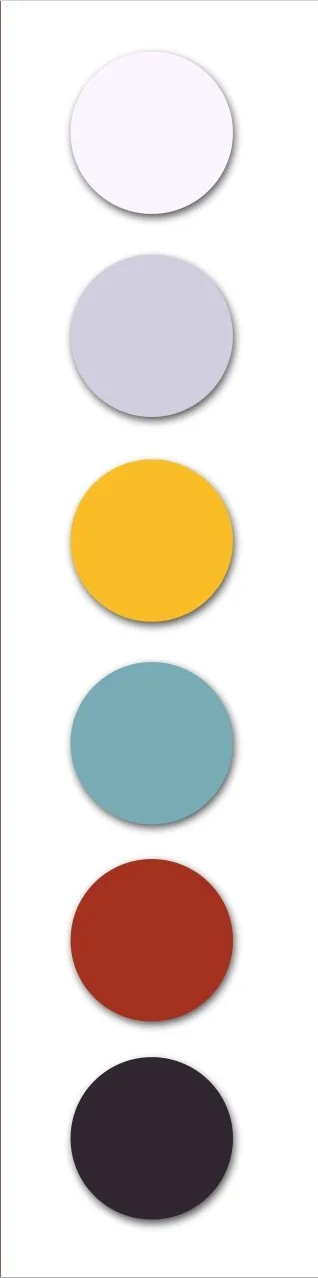
Things to consider - Creative Prompts & Ideas…
So what do you think of when you hear the words Taste of the Orient…
Landscapes & Scenery…
Misty mountains and winding path
Blossom trees and seasonal change
Water, bridges, and waterfalls
Bamboo forests or tranquil gardens
Ancient villages or modern cityscapes
People & Portraiture…
Traditional dress and textiles
Moments of daily life, family
Musicians, dancers, ceremonies, markets
Architecture & Decorative Detail
Pagodas, temples, gateways, or courtyards
Lanterns, screens, or carved wood
Decorative patterns and repeating motifs
Interior spaces filled with colour and texture
Culture & Symbolism…
Dragons, koi fish, cranes, or tigers
Symbols of luck, balance, or harmony
Mythology, storytelling, or folklore
Calligraphy-inspired mark making
What ideas are starting to emerge, and how can you capture them. How can the following help you achieve the effect you want…
the size and shape of your paper or canvas
what colours are you imagining
which materials will help - explore a few ideas
what techniques will you try - play and have fun
do you want it to be realistic; expressive or abstract
could this be a series of paintings or a sketchbook full of exploration and trying out new ideas
Whatever you decide, I hope this has given you the spark of an idea to follow - and if you'd like to share your finish pieces with me, then please do... I'd love to see them
Colour Palette Inspiration
Colours aren’t just paint on a palette...they often suggest moods, places, seasons or even a new painting waiting to be discovered. Think of them as a ‘cast of characters' for your painting. Each colour with its own personality - some bold commanding attention, others quiet and more muted, offering you a softer, more gentle feel. Some will allow smooth transitions between colours, others will give you light, and on the opposite side of things, give you shadows and contrast. Learning about colour will be one of the most important aspects of your art adventure.
3 Ways to Play: choose one or all to experiment with...
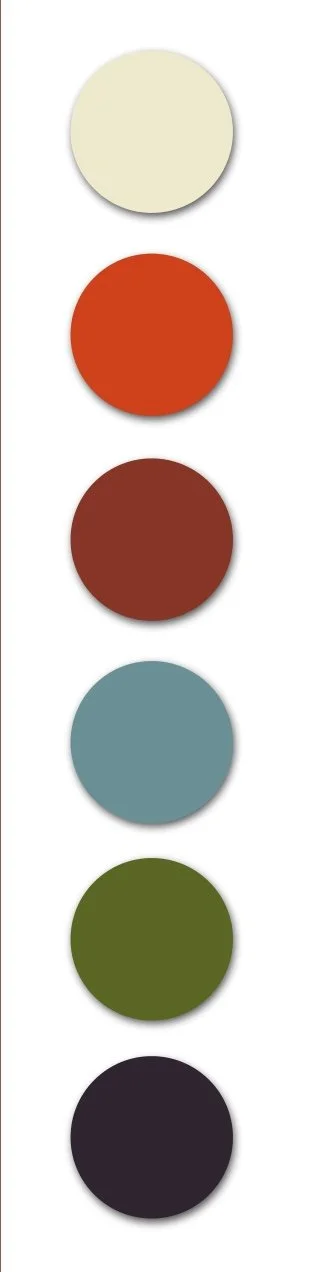
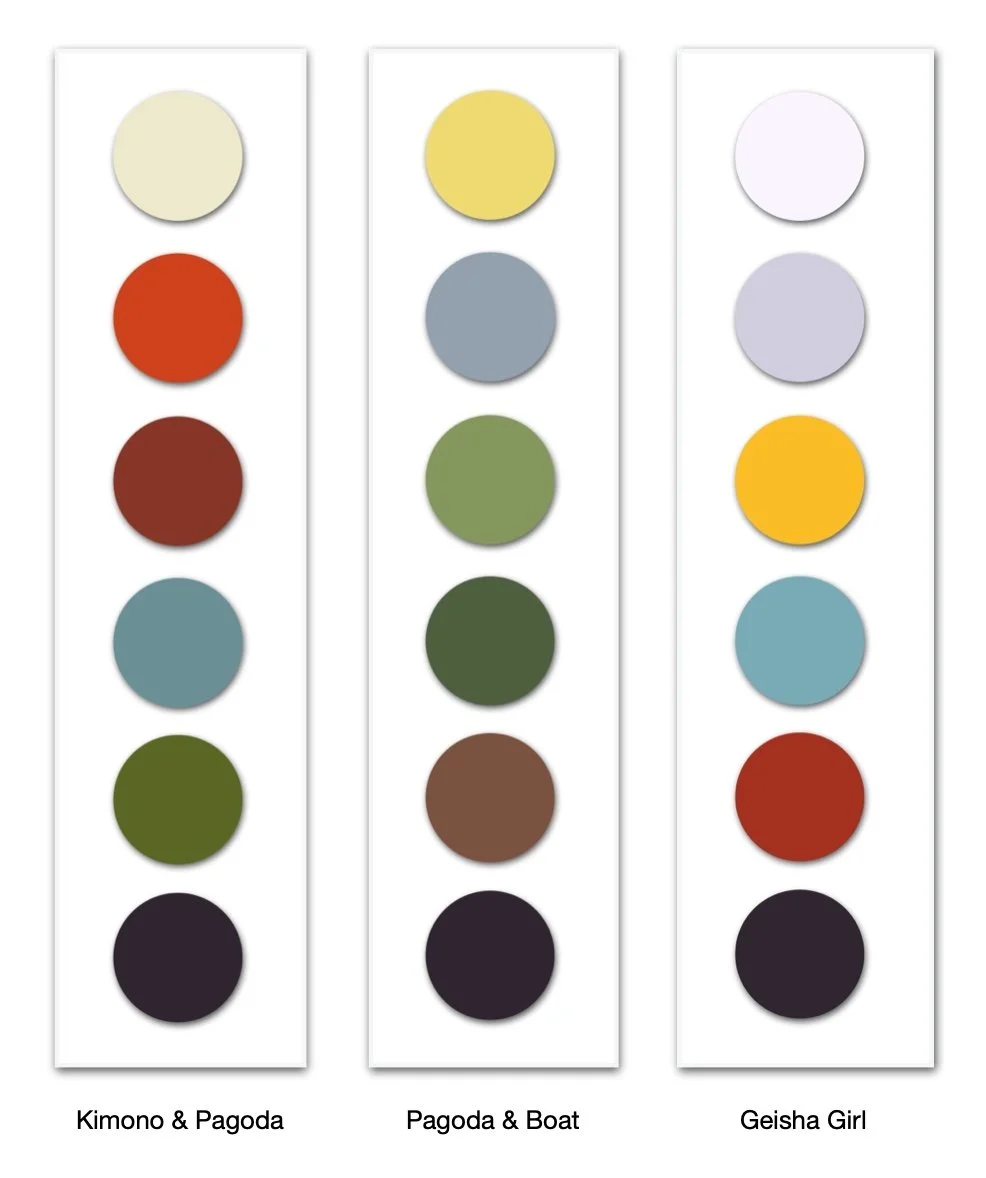
Colour Mixing • begin by simply trying to mix/match the colours you see on the samples shown. Make a note of the colour you start with and then which ones you add to change it. What combinations are you making...what will lighten or darken them, what will make them warmer or cooler…or more muted? This is such great practice, helping to improve your colour knowledge, and training your eyes to identify and mix colours successfully.
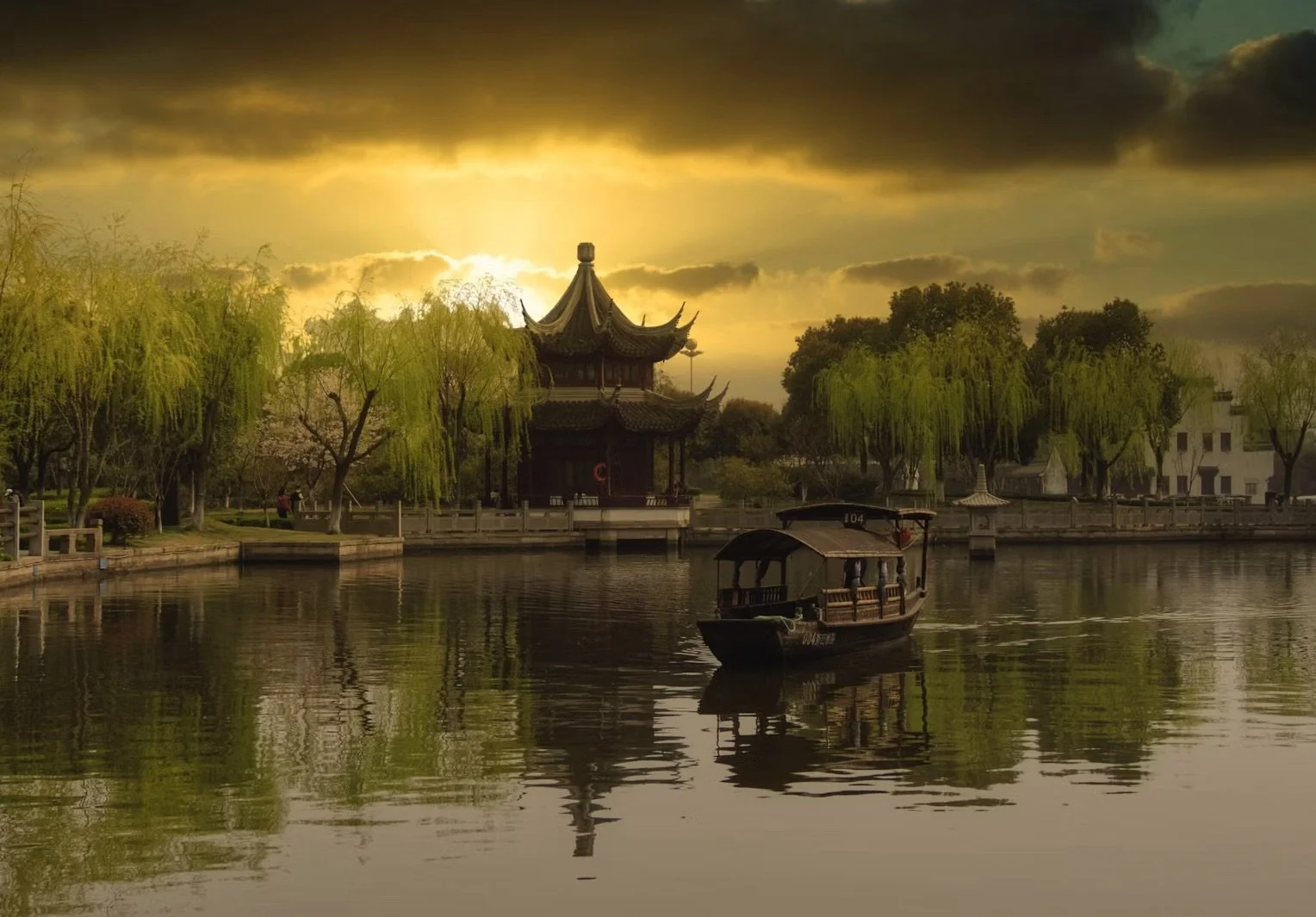
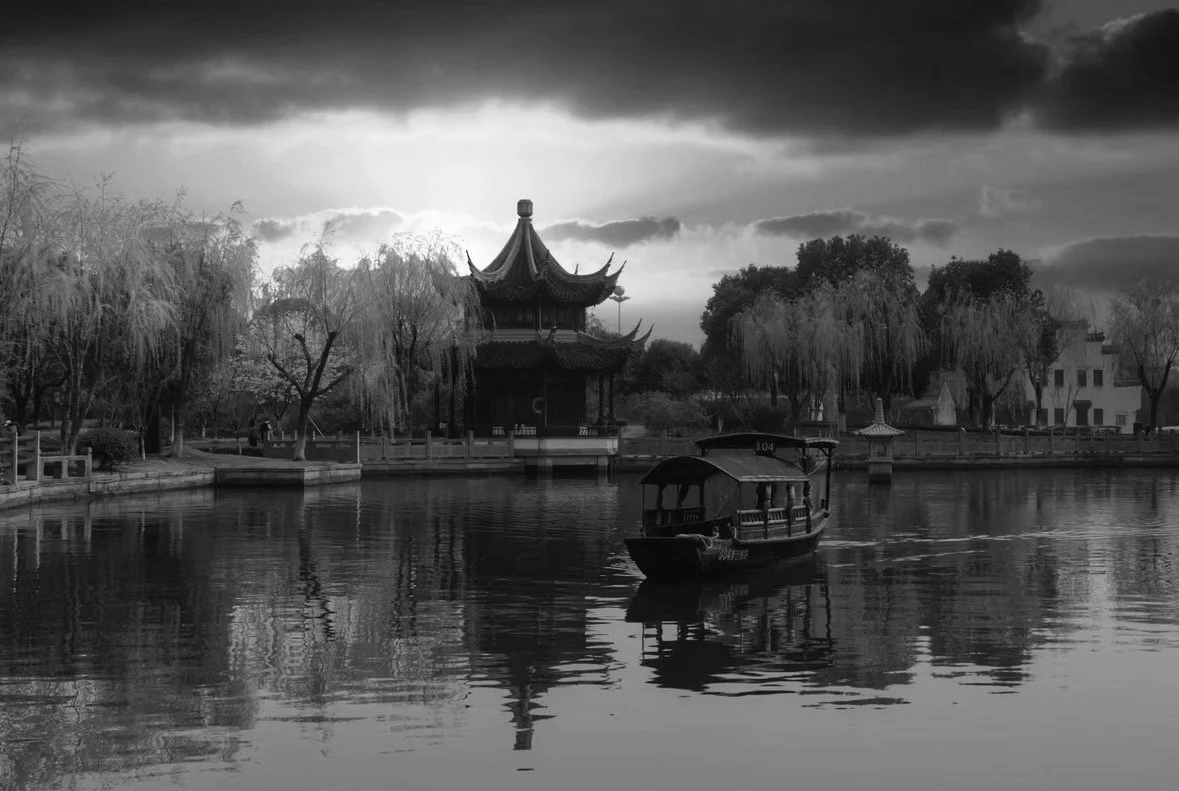
Use the Photo Reference • Use the colours and reference photo provided to paint your version of the scene in a medium you like - watercolour; acrylics or pastels...it doesn’t matter, just have fun.
Imaginative Play • Cover the reference photos so you’re not influenced by them. Now choose a colour palette and let that alone guide you. What do you feel when you look at the colours as a set, what do they suggest to you…a landscape or seascape; something floral perhaps, or a portrait? Do they give you a sense of warmth, cold, or something atmospheric; do you see a particular season; time of day or weather condition; do they make you feel happy or sad; do they have a sense or drama or tranquility…?
Explore what these colours mean to you,what they remind you of…then play. The important part is that your painting should belong to this colour family. Try to stay with them and see how they shape your colour mixing and ideas…feel free to add white/black to your palette if you need to lighten/darken tones.
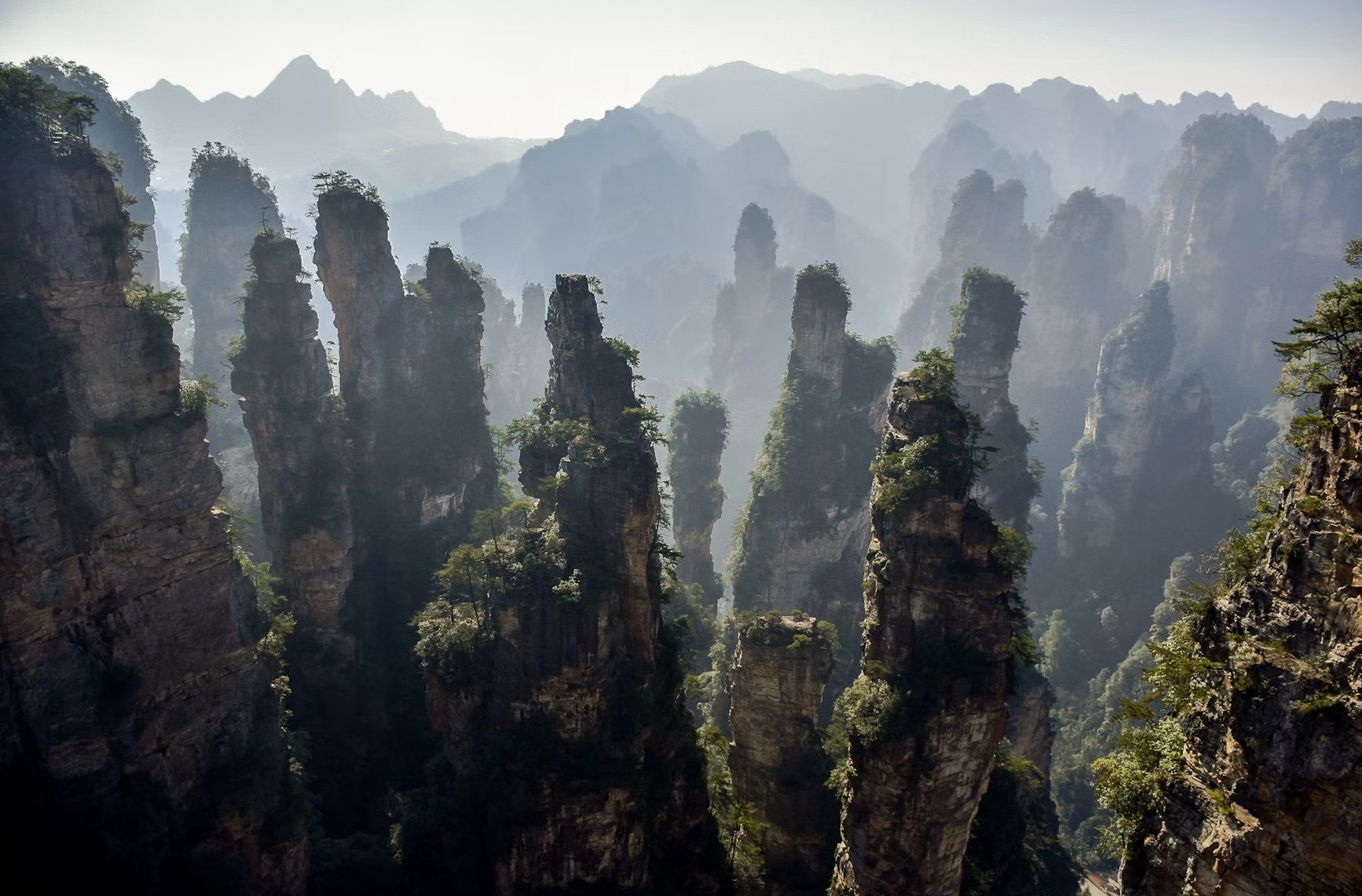
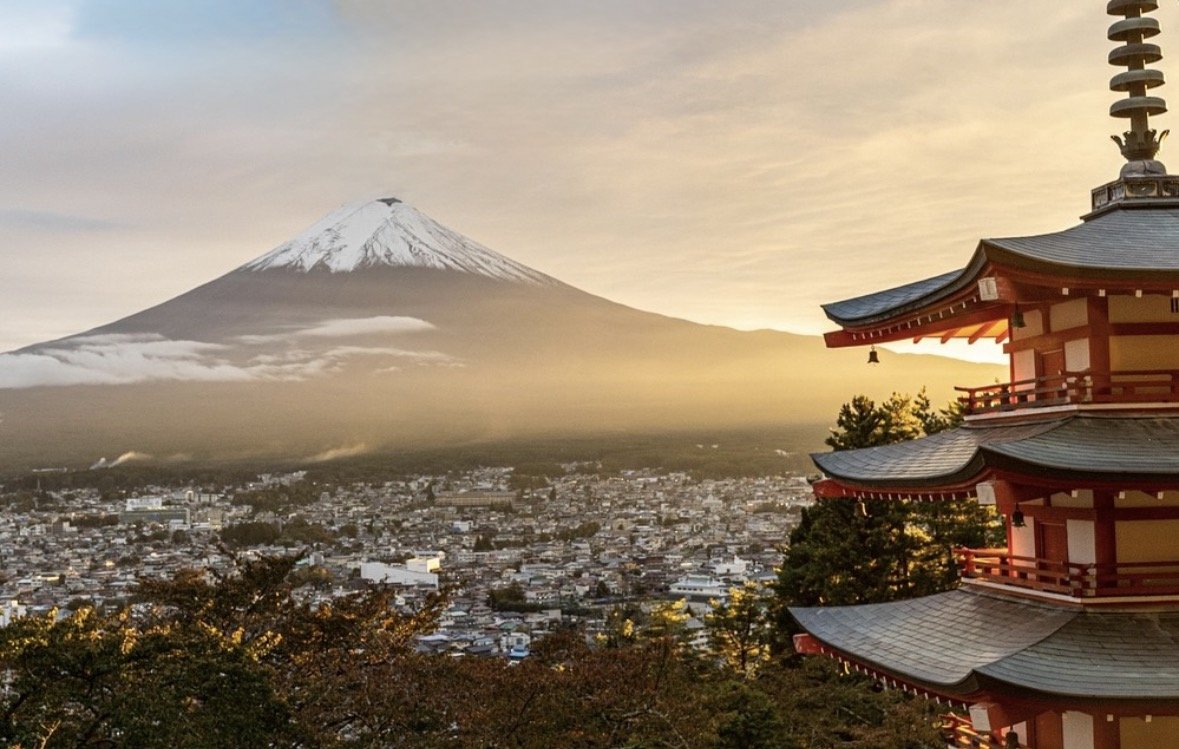
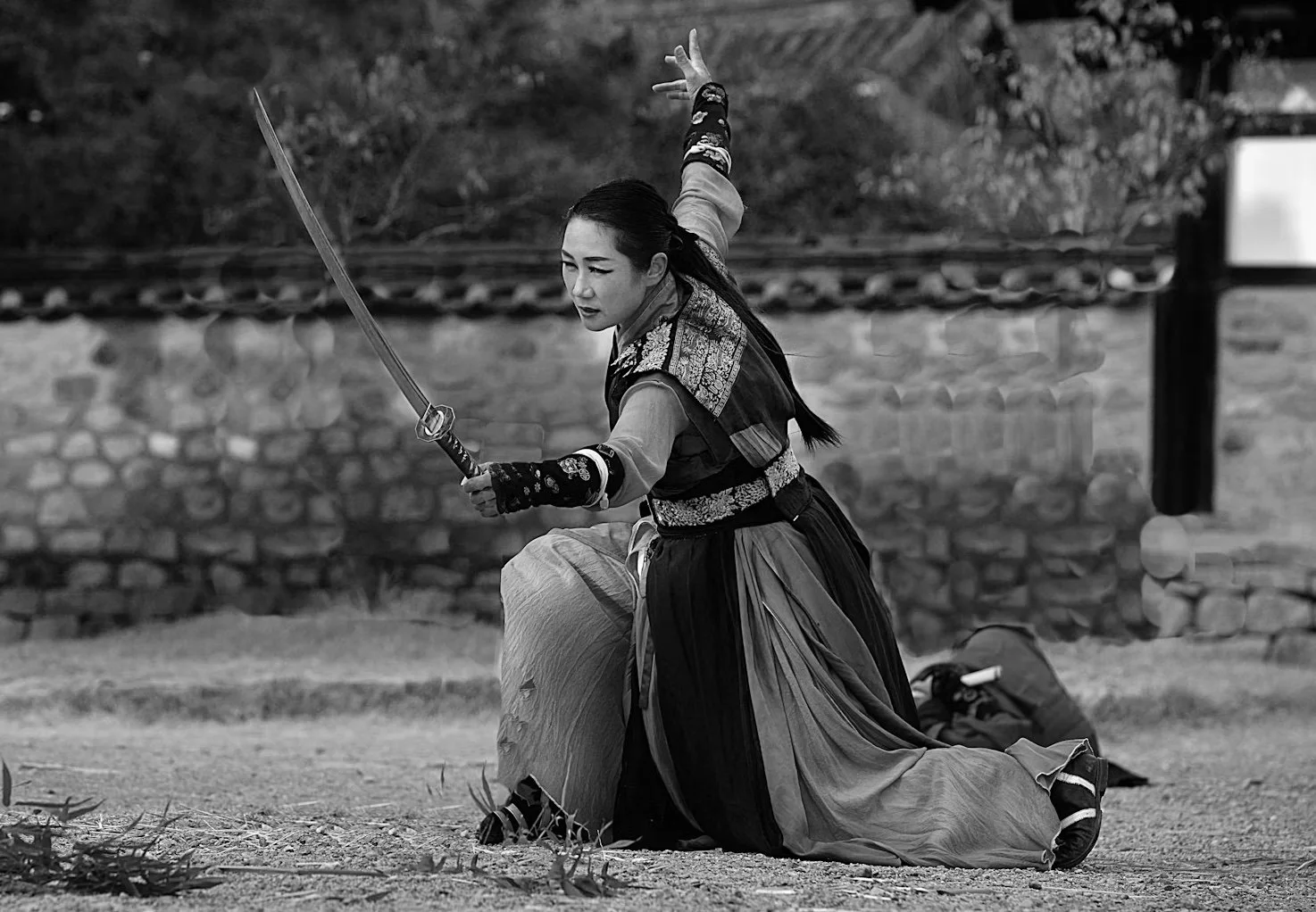
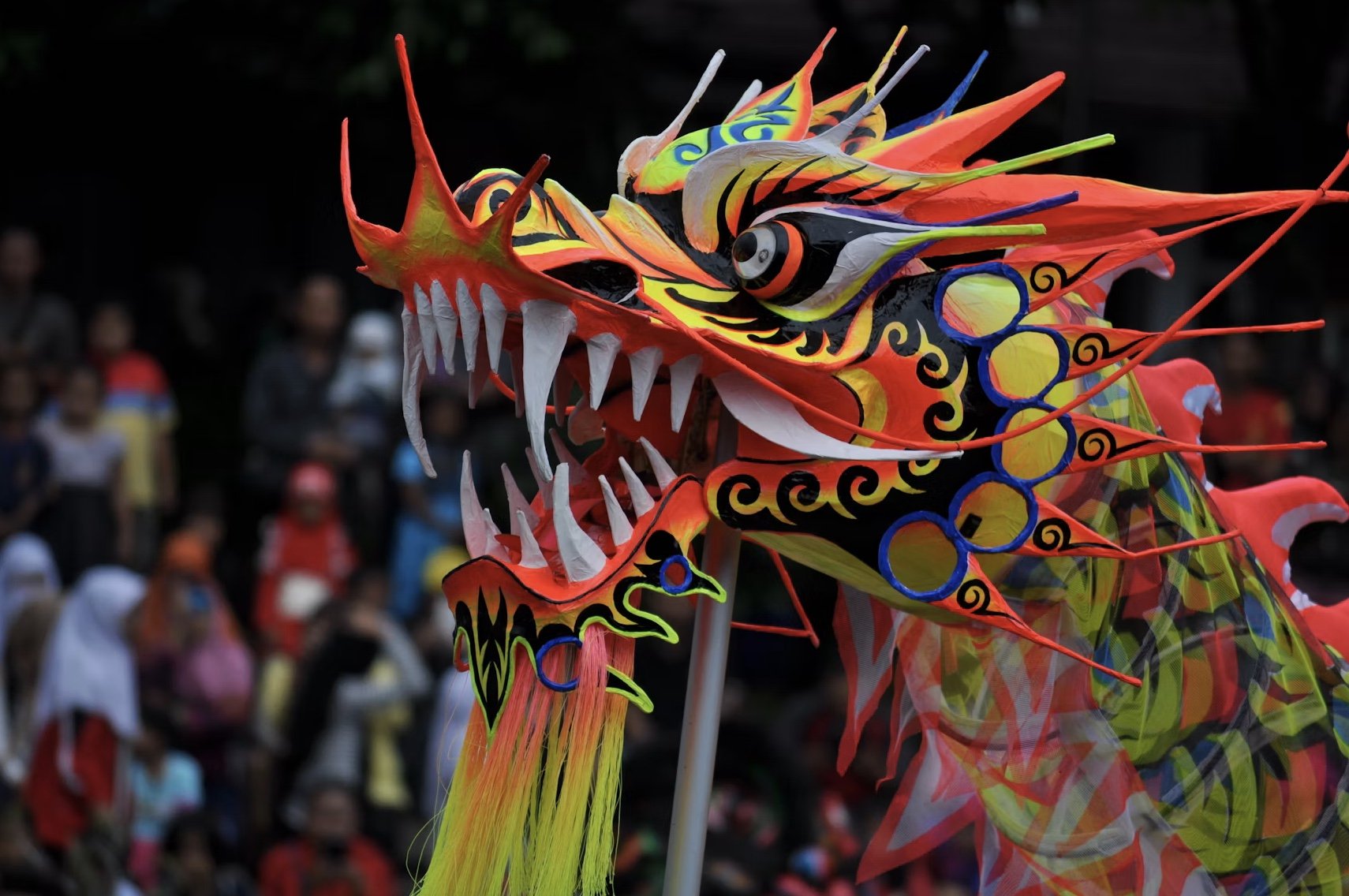
A selection of other photographs from Unsplash for you to browse through…
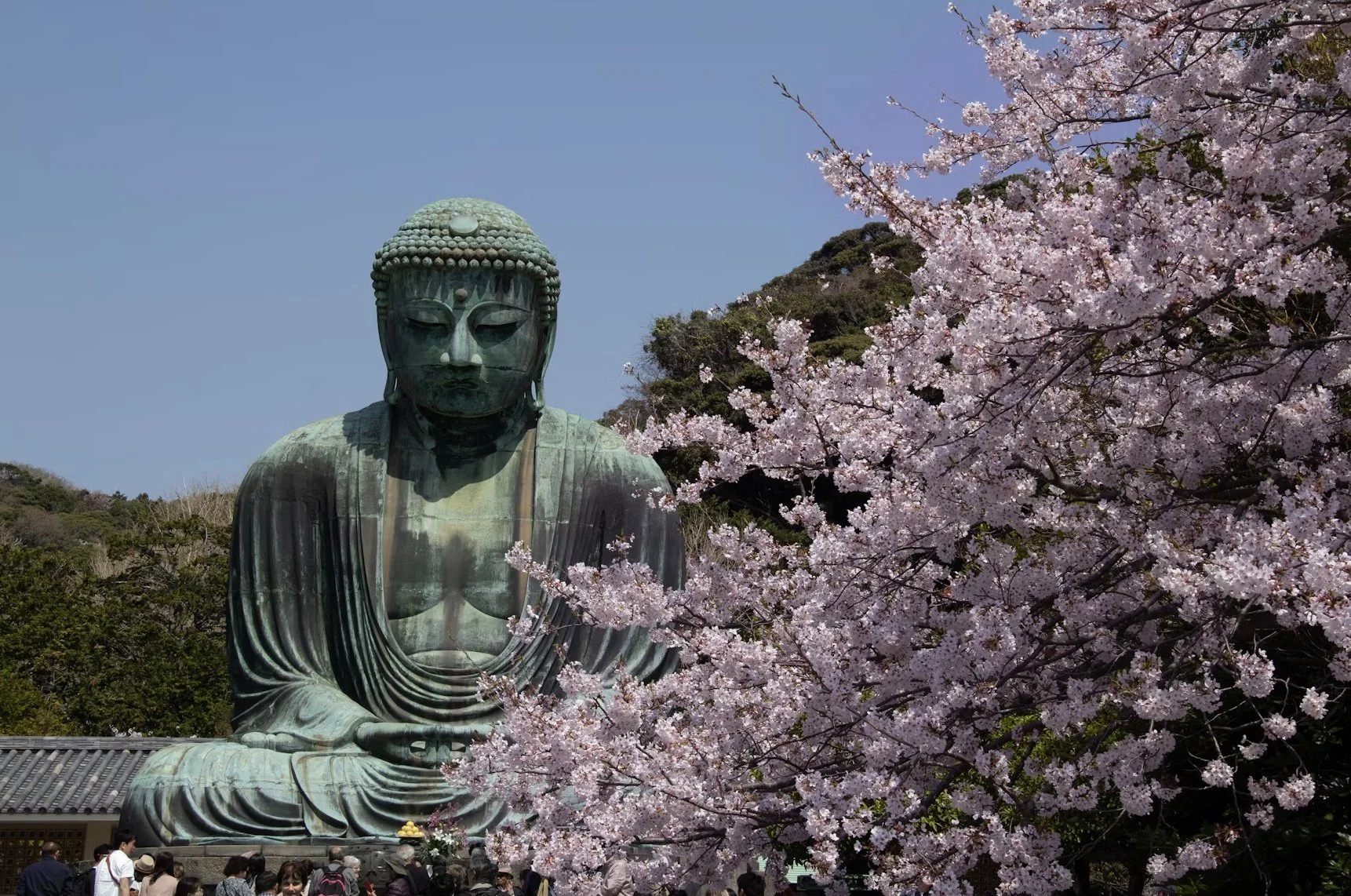
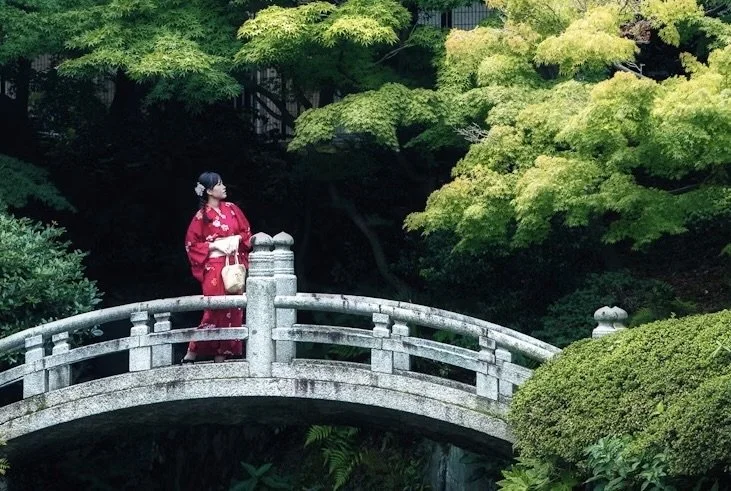
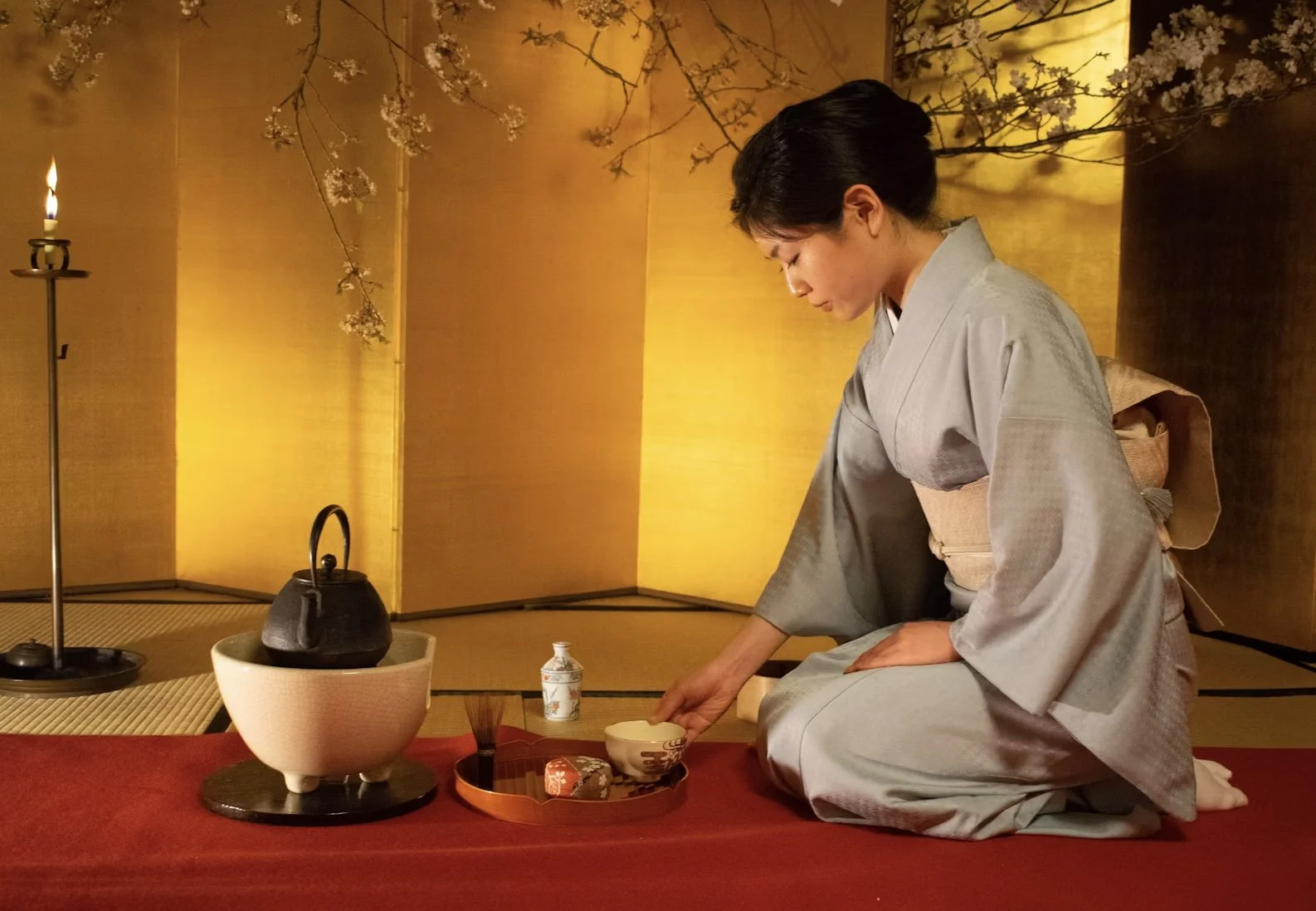
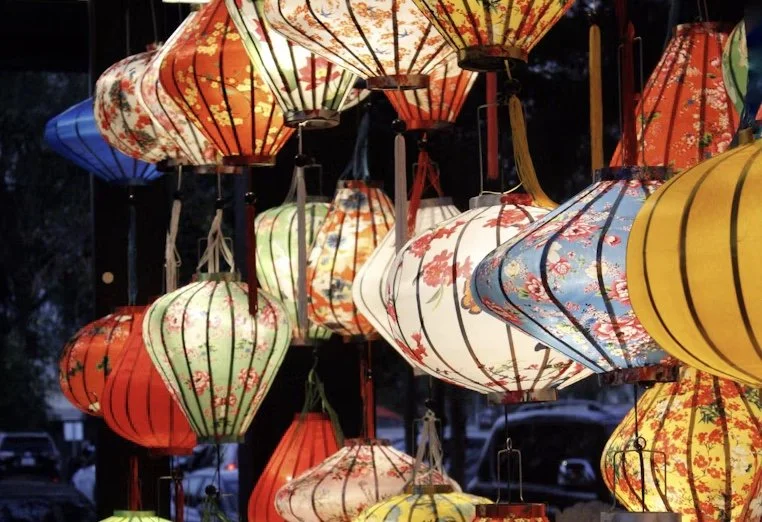
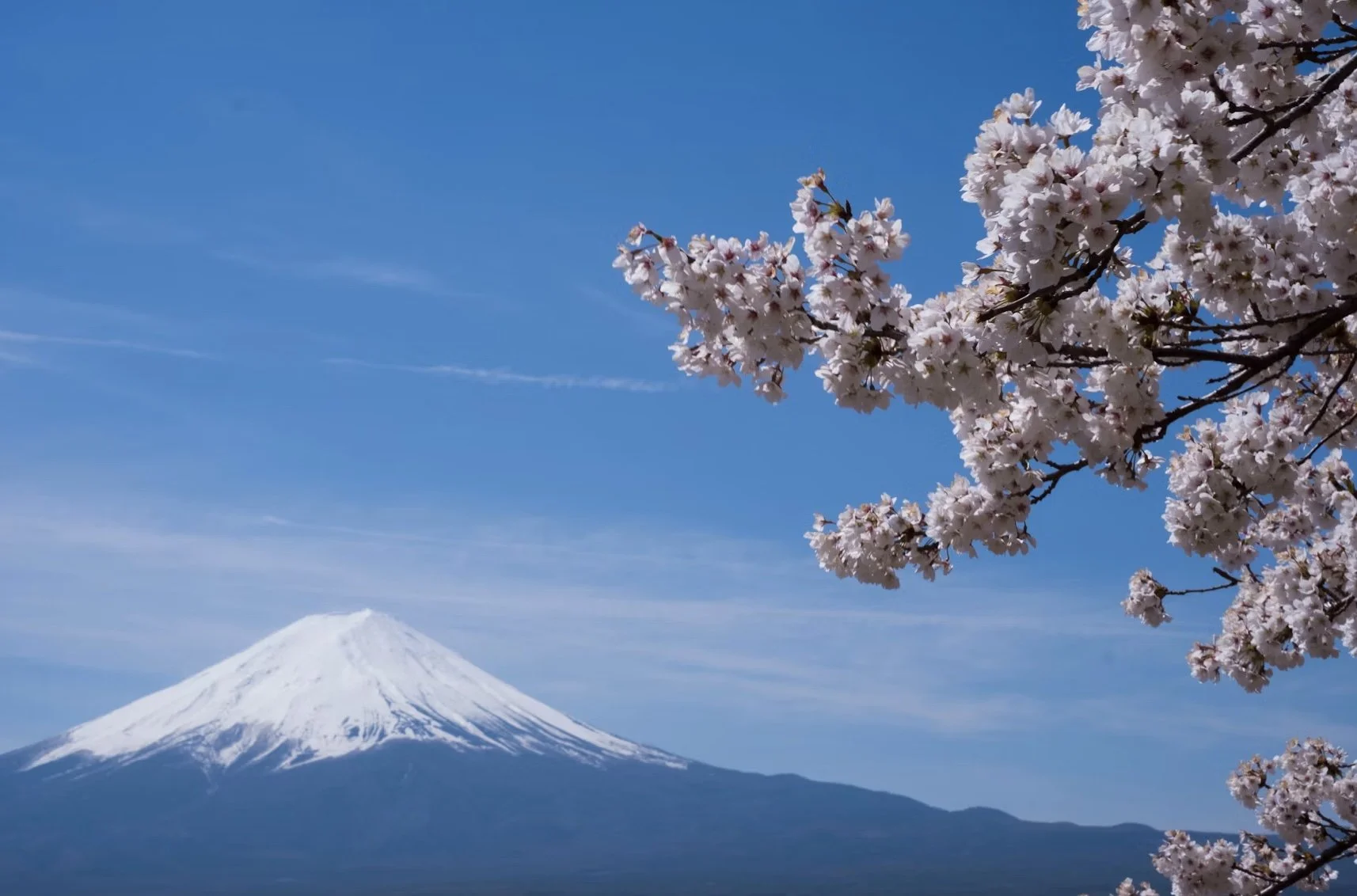
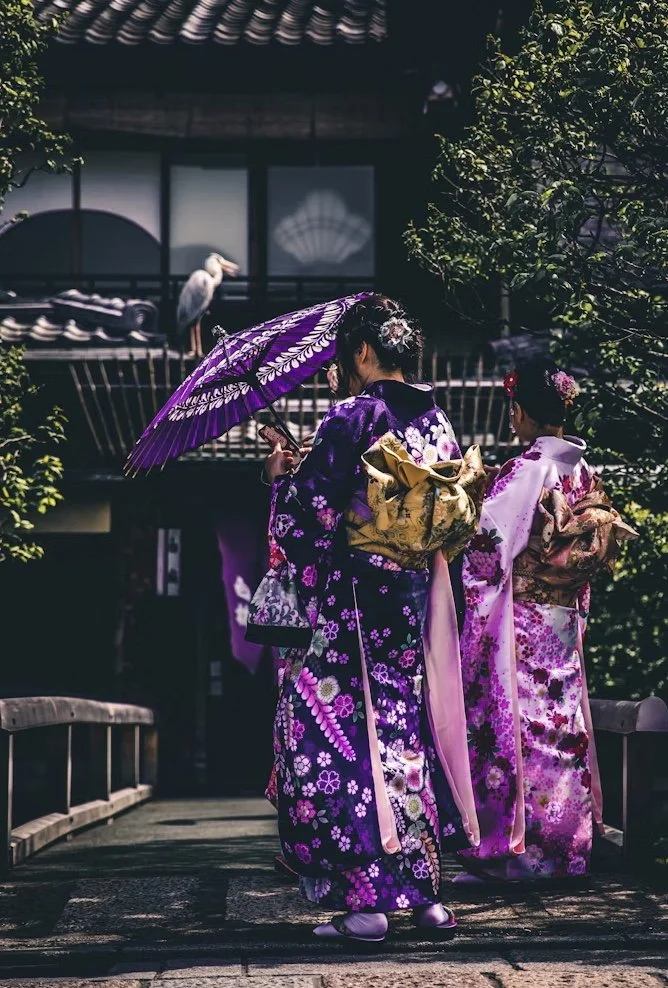
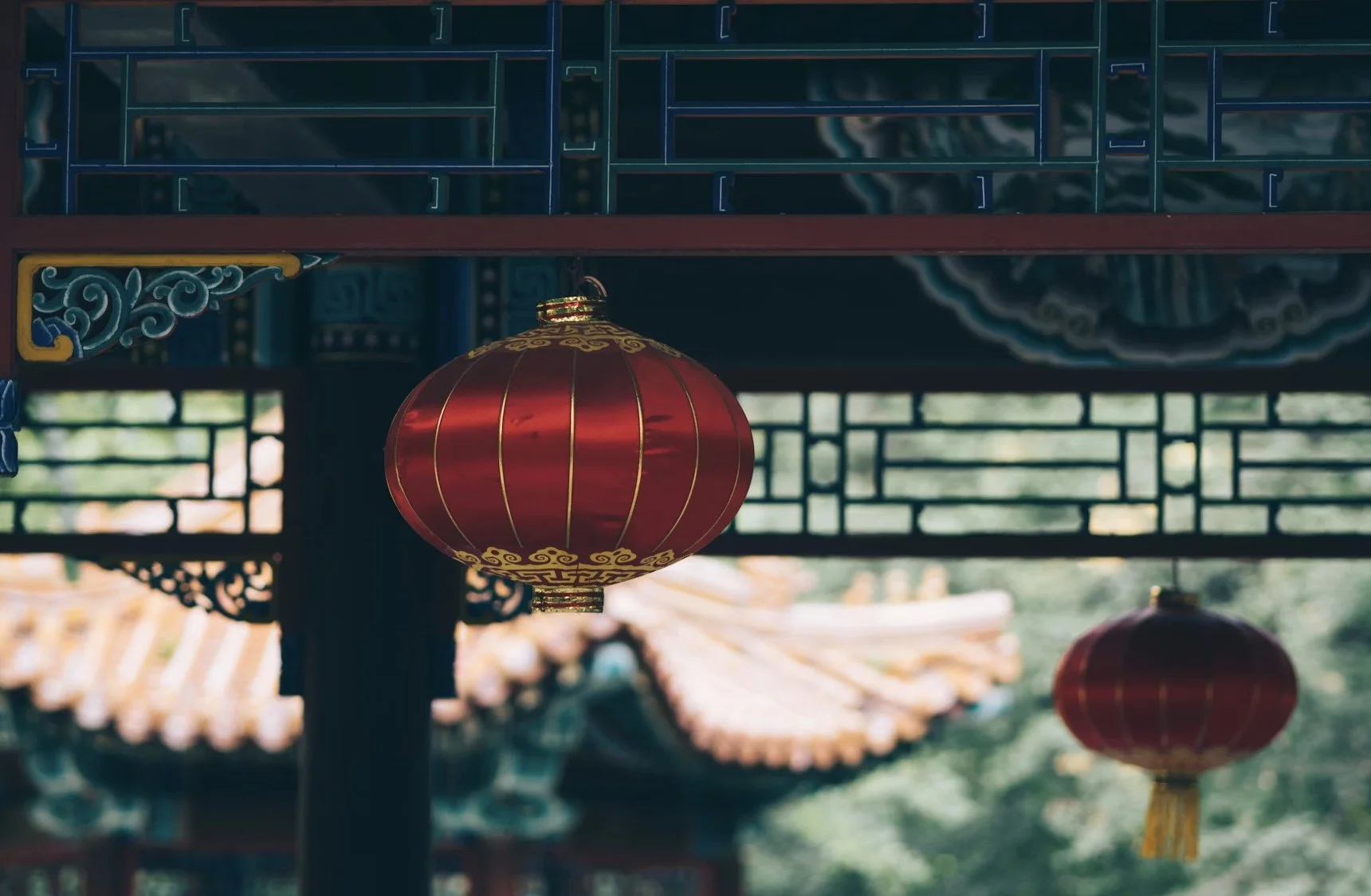
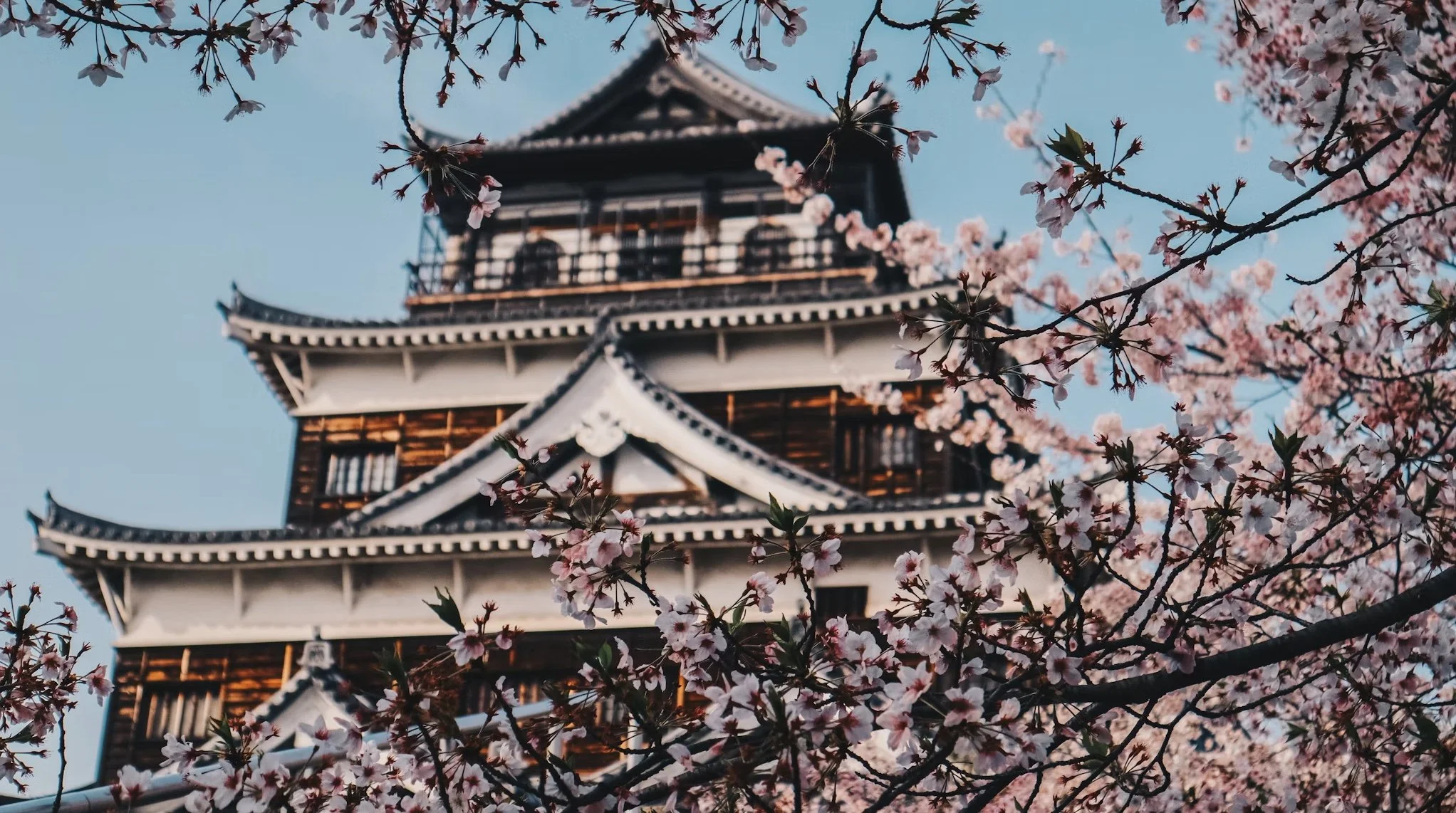
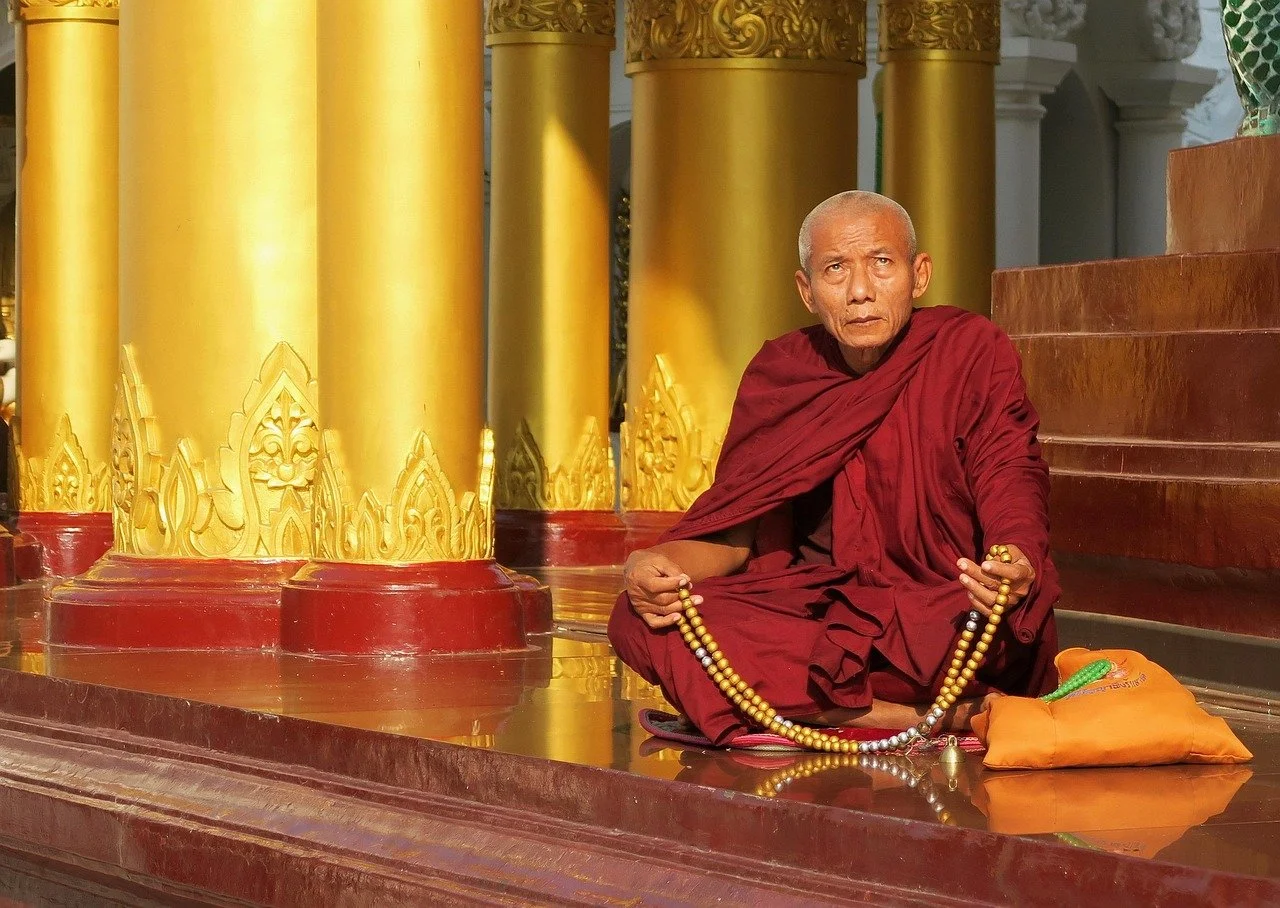
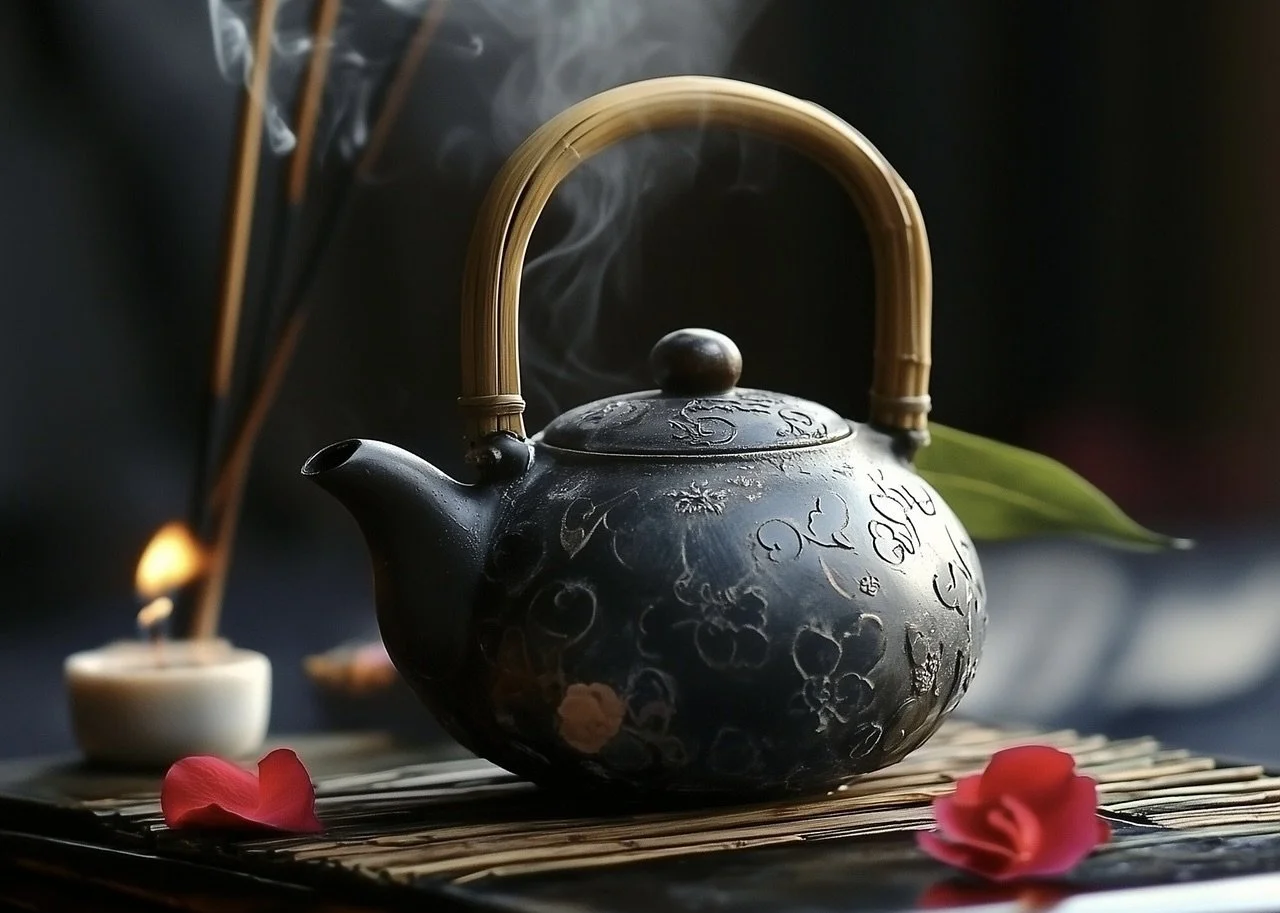
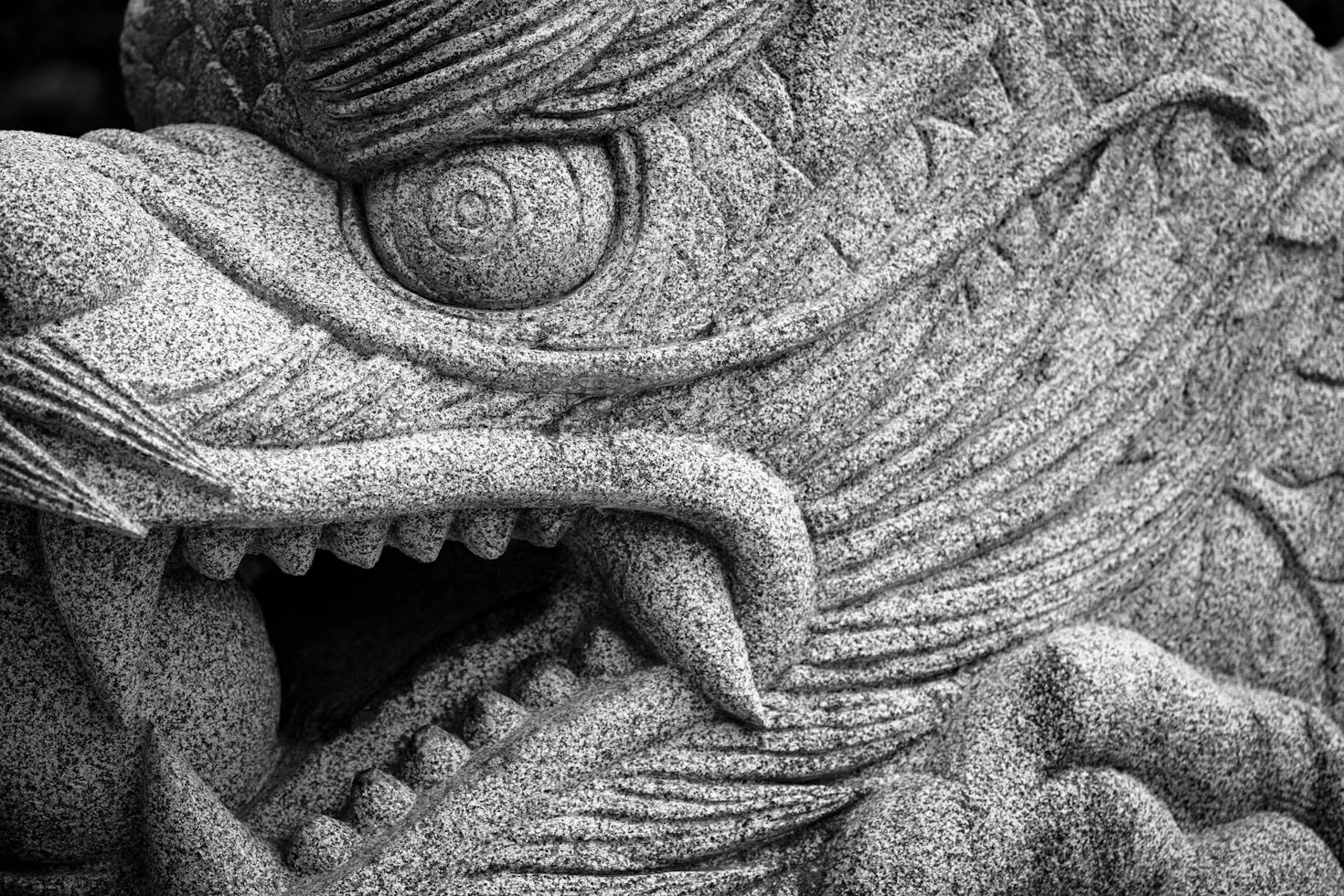
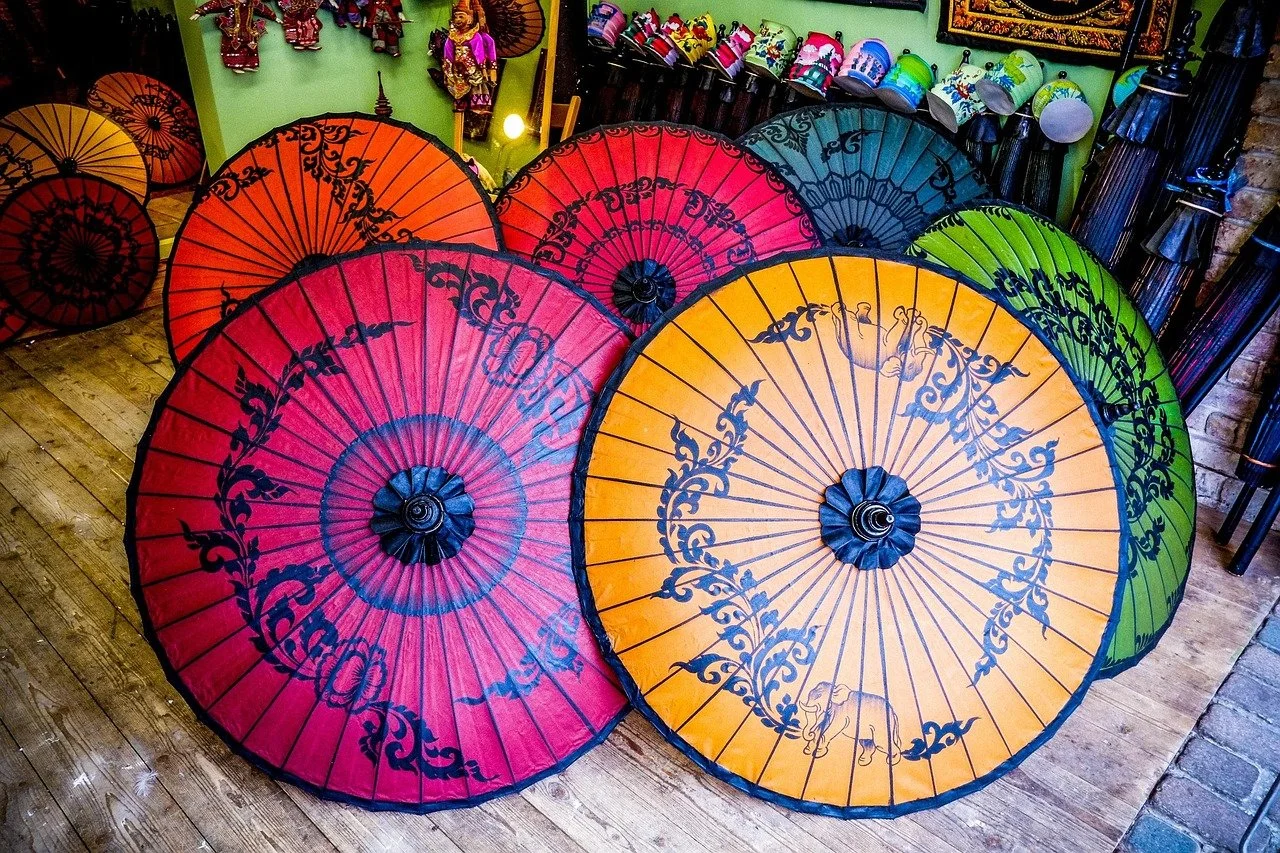
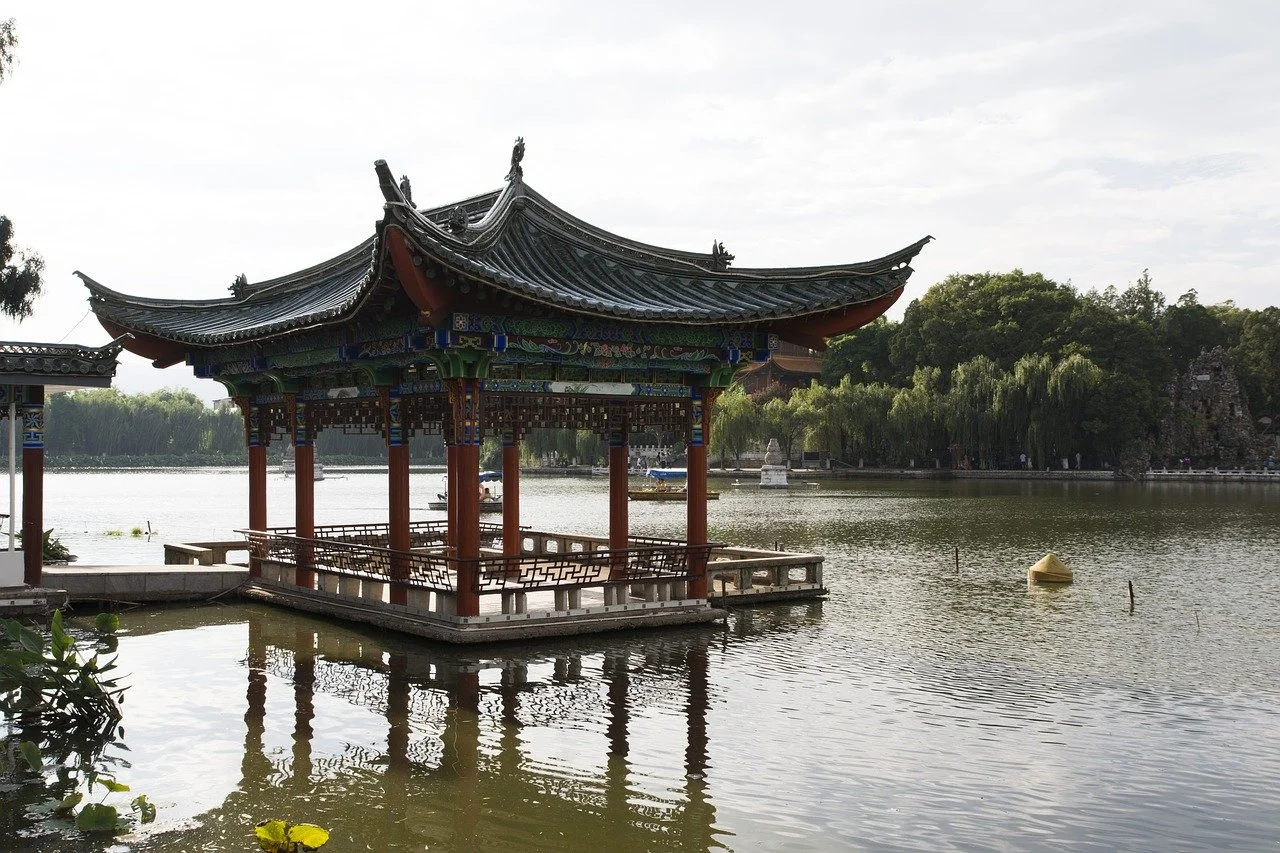
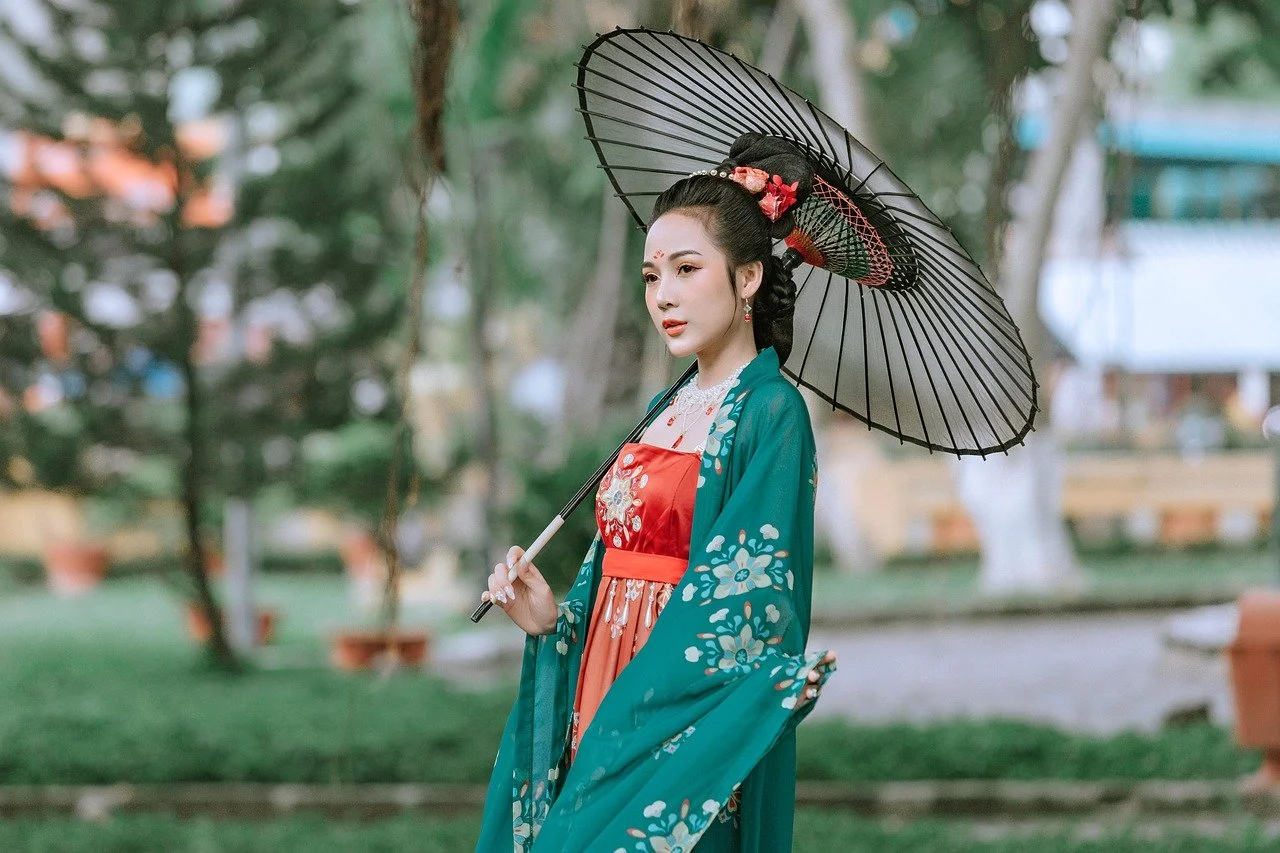
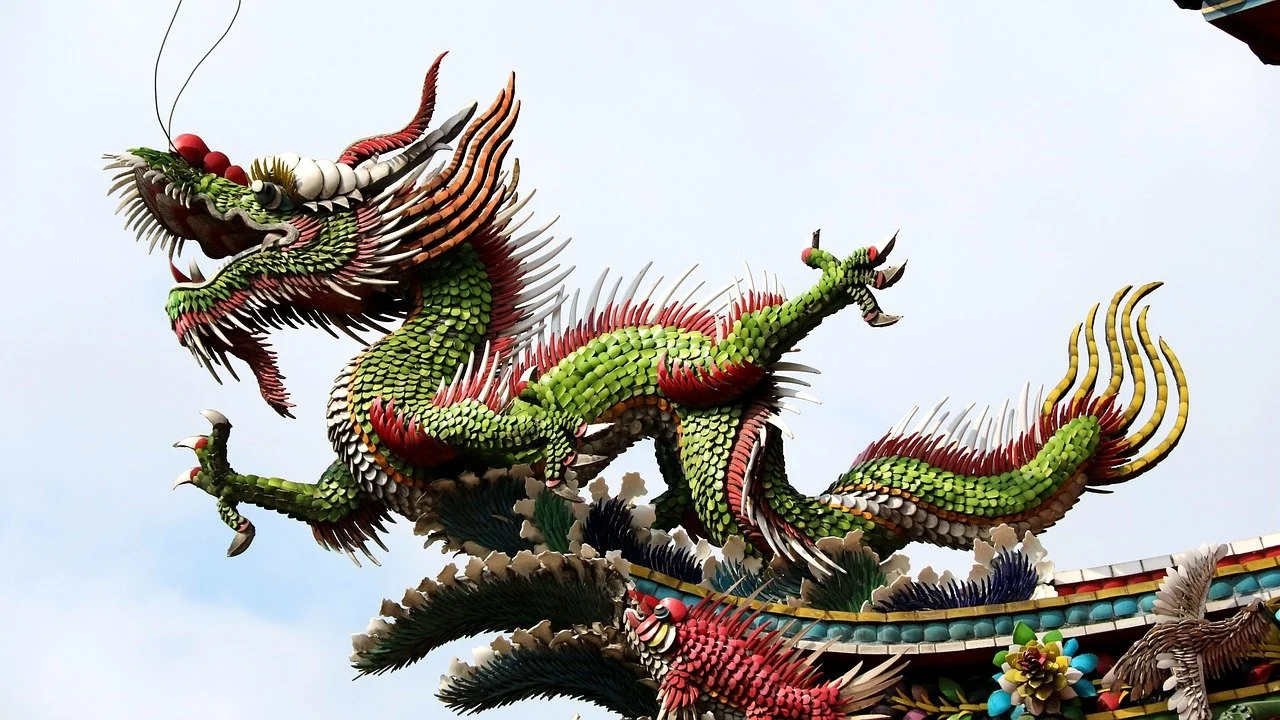
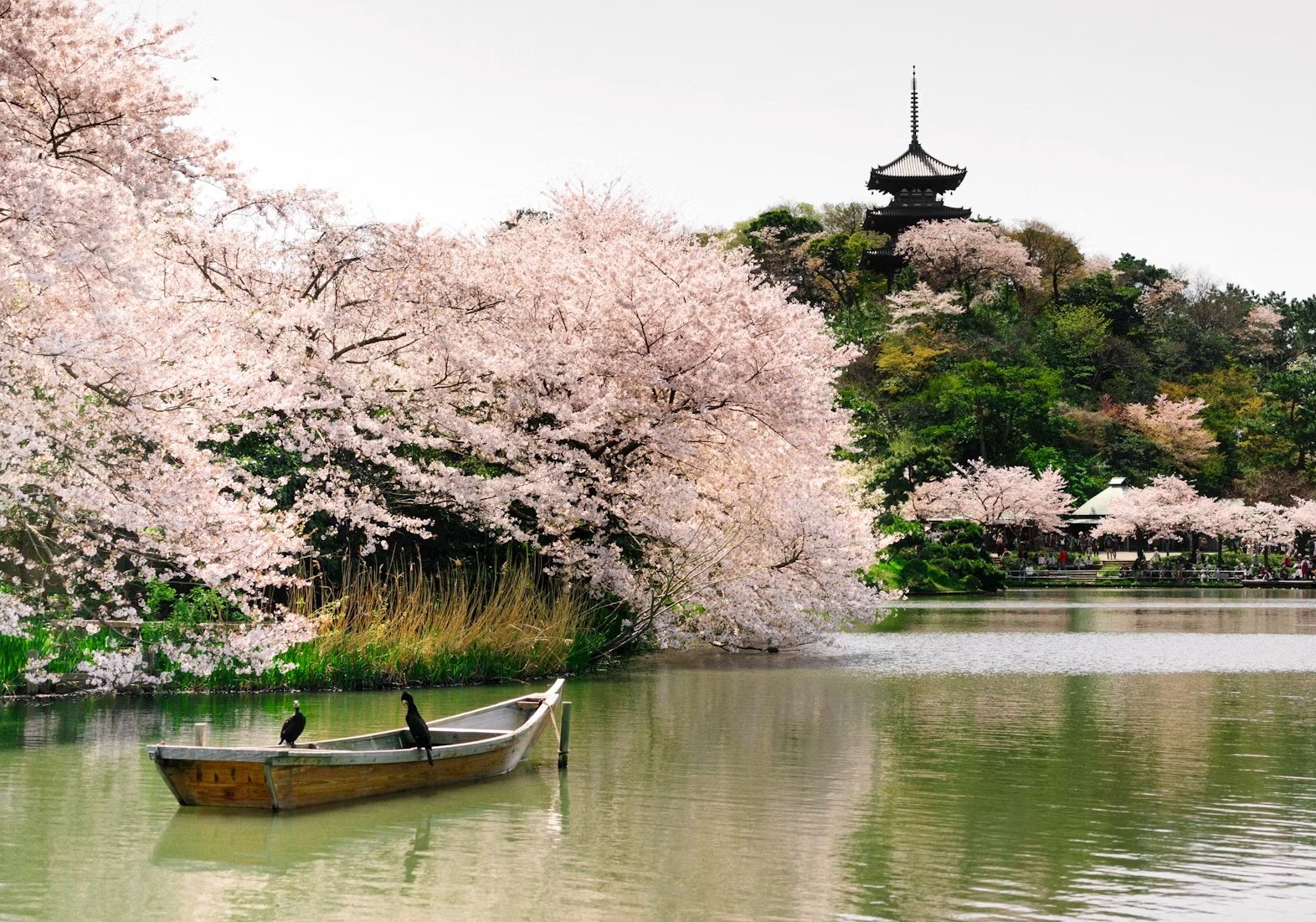
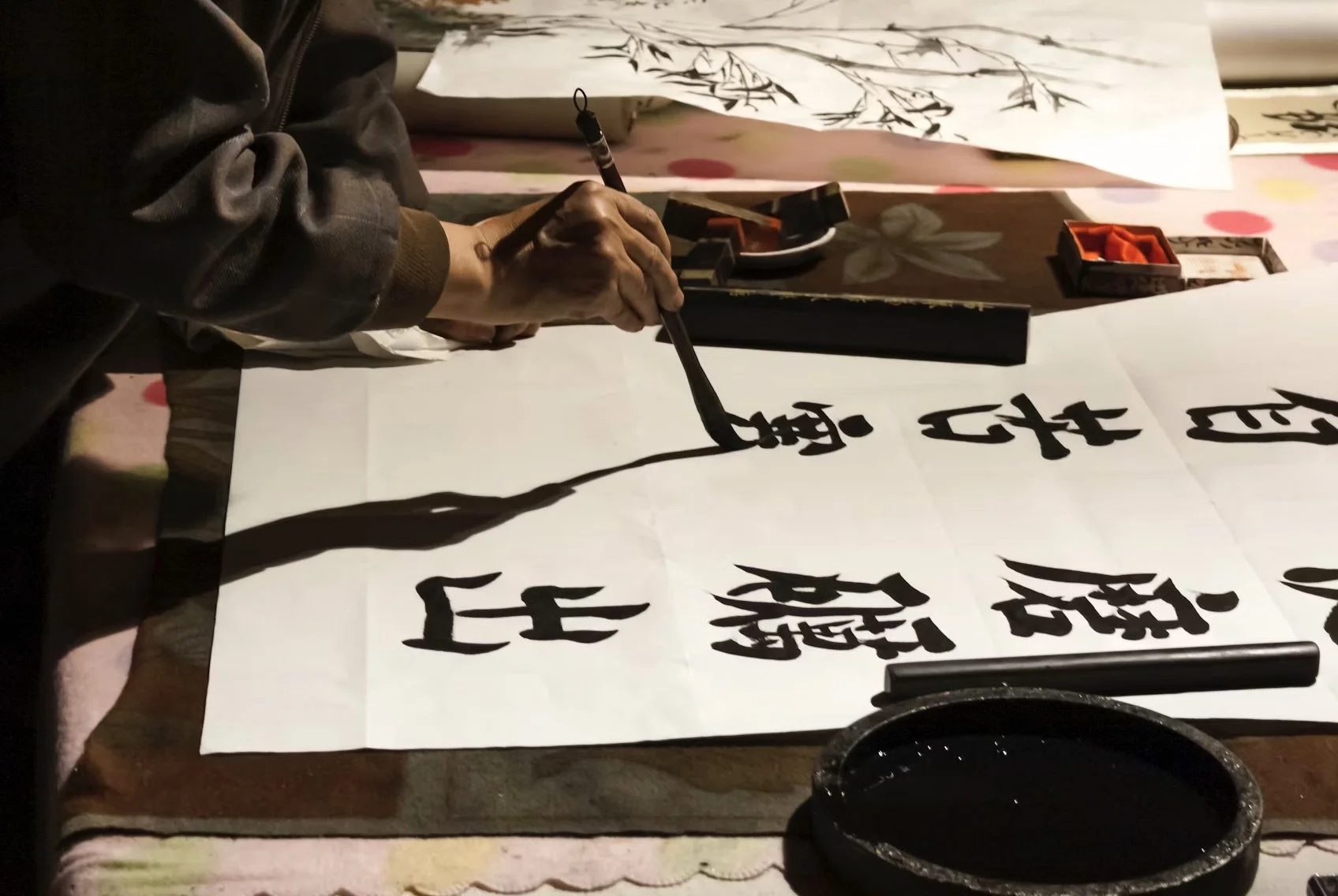
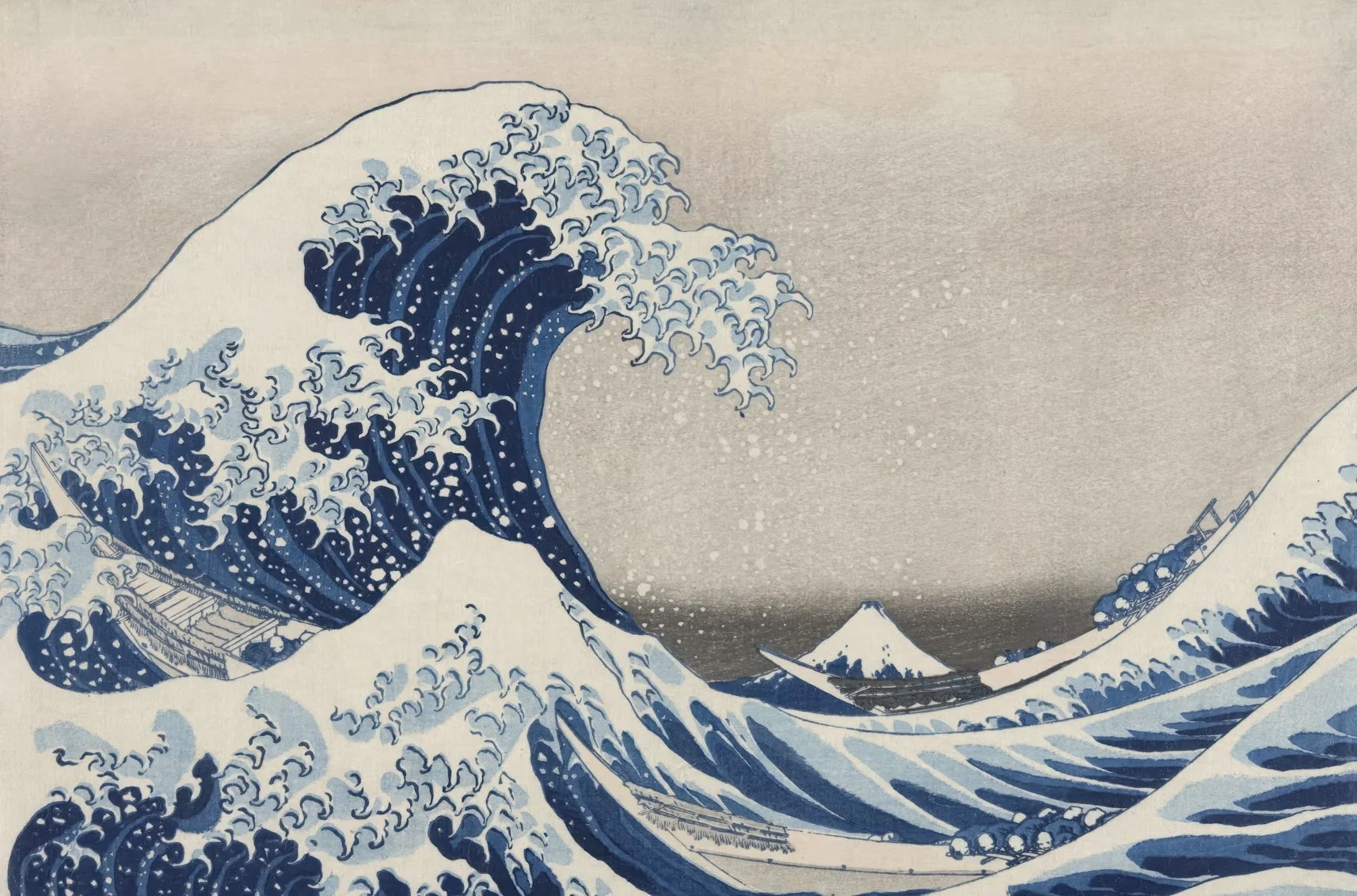
Please note: when using reference images, be mindful of copyright. Websites such as Pixabay and Unsplash offer royalty-free images that are safe to use. You might also discover that your own photos provide a more personal starting point.