Starting Art
…a few things to think about as you set out on this exciting new adventure…
It’s always quite daunting when we begin something new…and for some reason, when starting Art, the desire to create a masterpiece from day one is often overwhelming - especially when we also have well meaning supporters standing in the wings waiting to cheer us on, but also impatient to see what we produce. This alone can feel like added pressure, when all we want to do is relax, and learn to draw or paint a picture we are pleased with. I’m sure if we were learning a language, or how to play an instrument, these expectations wouldn’t be so high so soon.
So first of all, I think it’s quite important to get ourselves into the right mindset…before we even pick up a pencil. When we’re more gentle with ourselves, we can then begin to really enjoy the process of exploring, and in turn, learn about the wonderful variety of art materials we have to play with, and all the creative processes that keep us coming back for more…developing our skills and ability along the way.
The Right Mindset...
Always remember you're doing this for you…try to ignore any comments from those around you that might make you question what you're doing, or how you're doing it. It's better to detach yourself from external noise, and just enjoy the process…that's all that matters
Focus on exploring, of learning while playing, and let go of expectations to produce finish paintings straightaway. Your skills and knowledge will improve the more time you put into it…practice really does make progress.
Perseverance is key - keep showing up, don't give up. If something doesn’t look right, just try a different way. Remember chefs will have made a few flat cakes before they achieve that light and airy sponge…you also need to find out what your ingredients will do, what quantities you’ll need and how to put them together in a recipe that works for you
Don't expect too much too soon - give yourself mini achievable goals, being happy with the results will make you proud of your efforts, and give you the motivation to do more.
Don't be fearful - just have a go choose a simple subject and make a start…the scariest thing is a blank piece of paper.
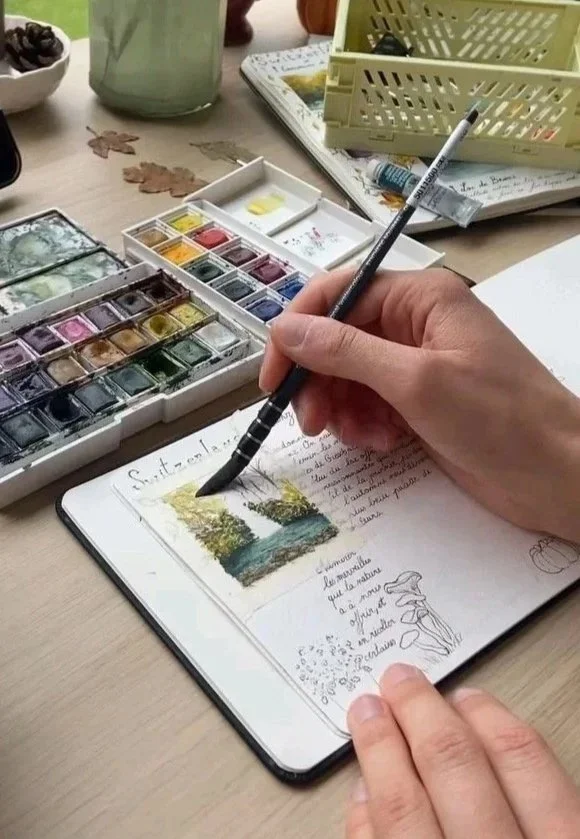
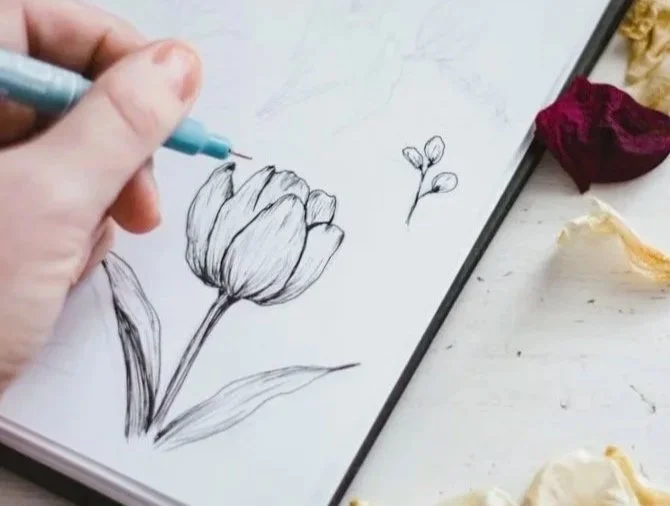
A sketchbook is an artists best friend especially when you're just starting out…it won’t feel as scary as perhaps a larger ‘proper’ canvas might. Sketchbooks are your own private space to nurture, explore and develop your skills.
What do I need to make a start…?
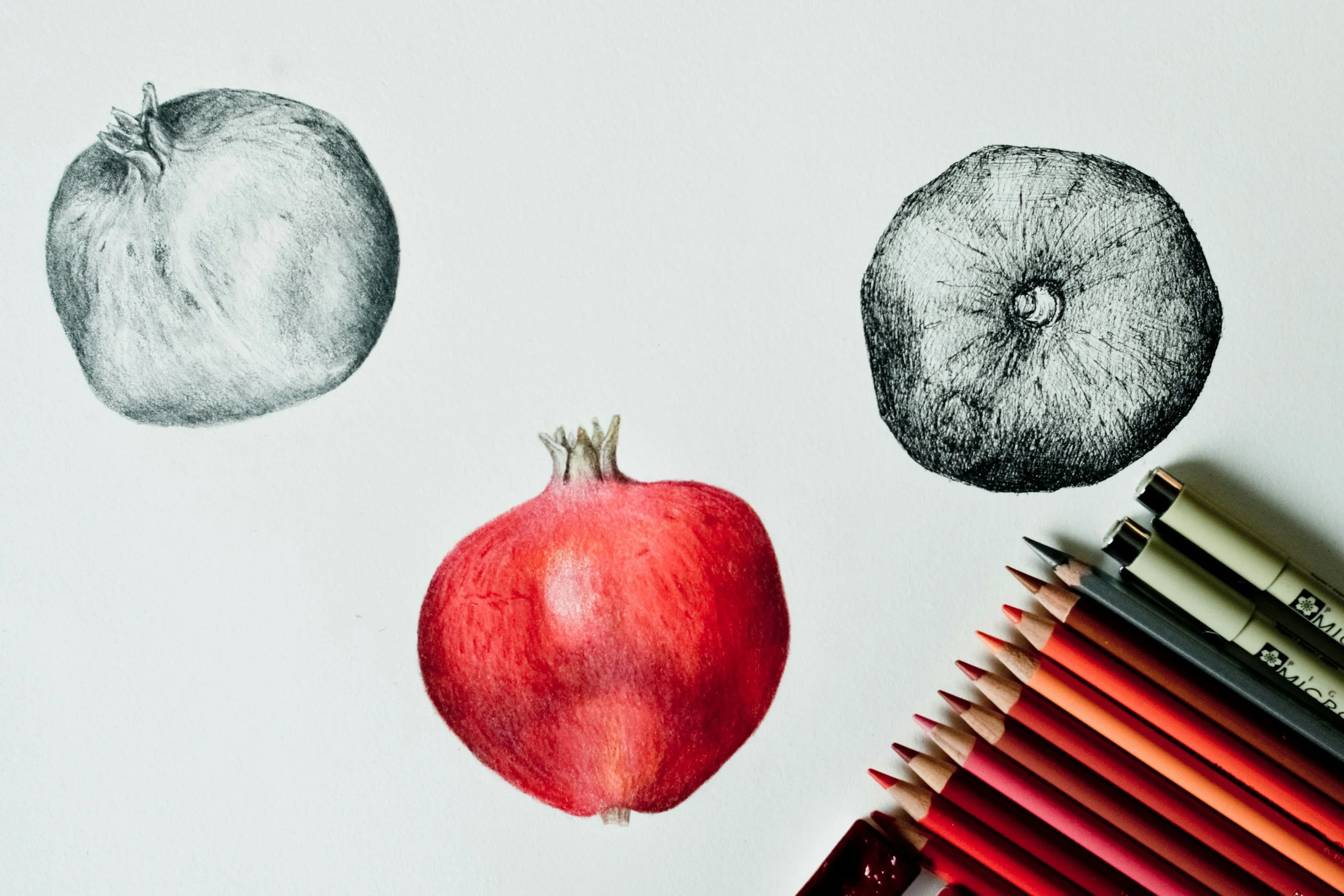
the desire to give it a go
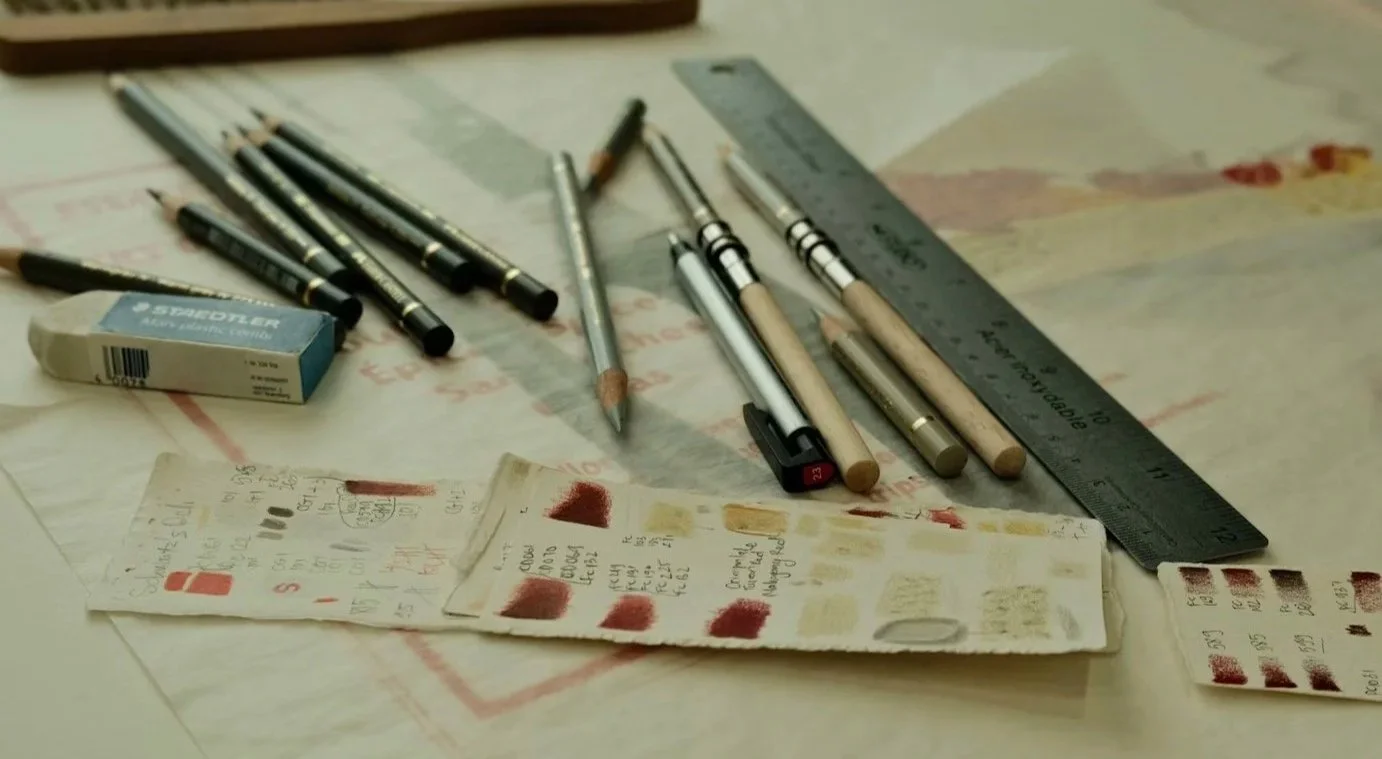
a pencil and a piece of paper…really, that's all you need to begin
a simple, achievable subject to draw/paint
a little, regular time to practice
give yourself permission to play, explore and make mistakes
enjoy what you're doing
Art isn't about instant results, it's about developing new skills and learning to see things differently. Starting with just one medium, a simple pencil, allows you to build familiarity and confidence, without feeling overwhelmed. Keeping practice sessions short in the beginning, just half an hour or so, 2 to 3 times a week is ideal…little and often.
A good place to begin -start with marks, not a masterpiece
Before worrying about drawing recognisable things, it helps to reconnect with the basics. Most things we see around us are made up of straight lines and curves, so it makes sense as an artist that we developed this skill to draw a straight line and curved shape with confidence. From this solid foundation we can then start to create a drawing.
As artists we need to be able to put a pencil or paintbrush at a point where we want to start a mark - take it in the direction we want to take it - before finally lifting it off the surface when we decide it's finished. This in its very basic form - is drawing
If you have a new sketchbook and you're staring at that first blank page, perhaps just begin by doodling - but doodle with awareness - no pressure - just a bit of concentration. Think of it as a creative warm-up
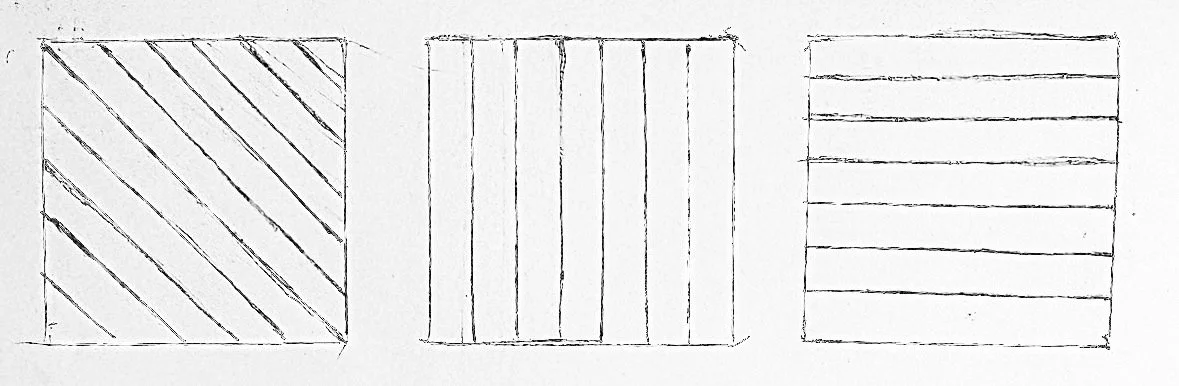
Draw lines in a box - no ruler
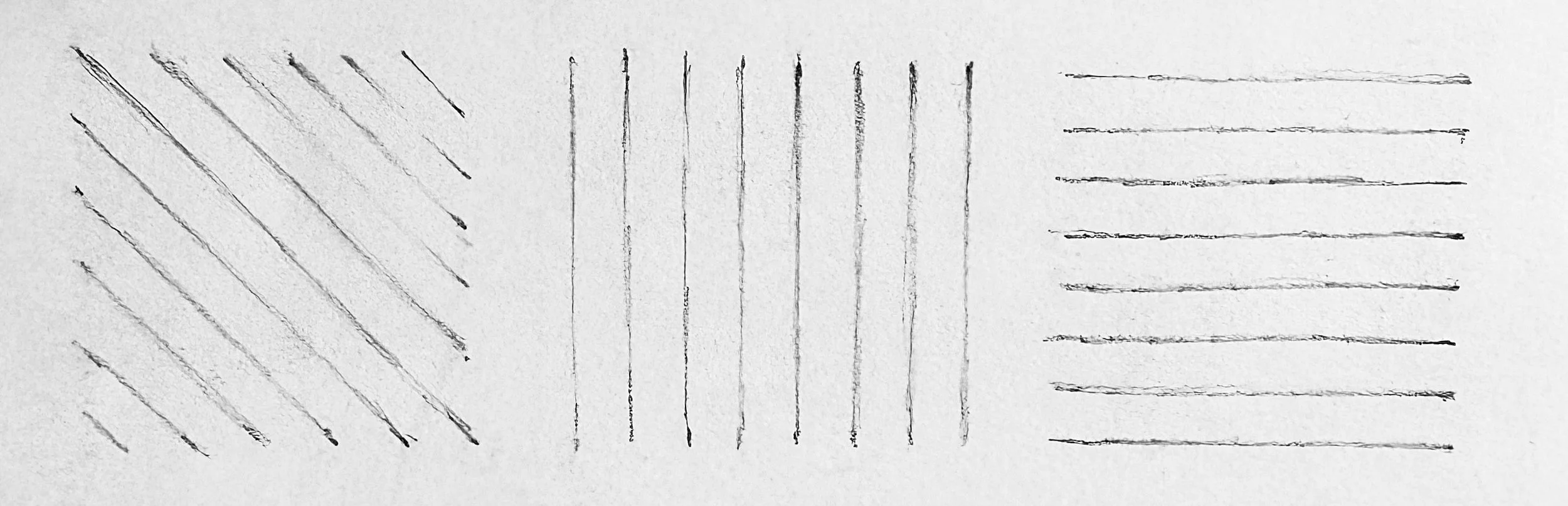
Draw lines without the boundary box
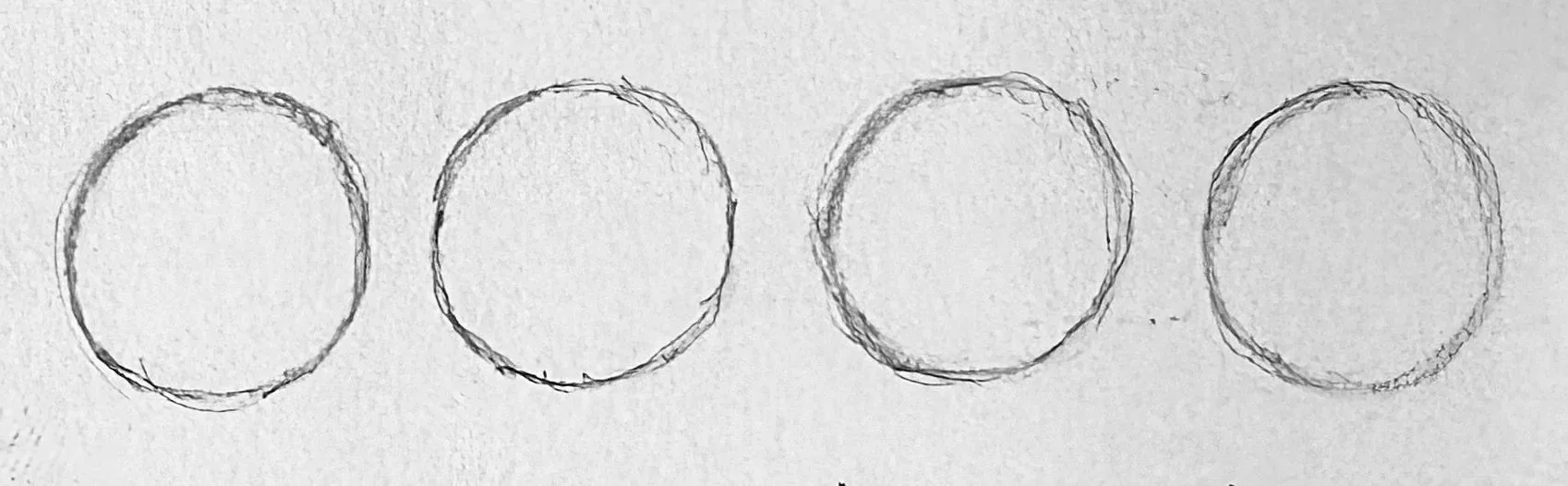
Draw some circles freehand
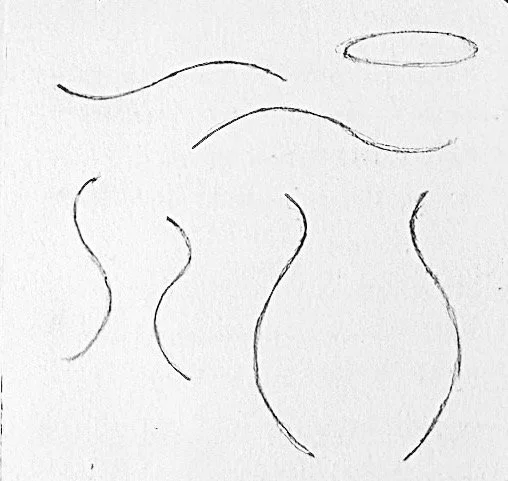
Draw some ‘S’ shapes - varying size and which way they curve
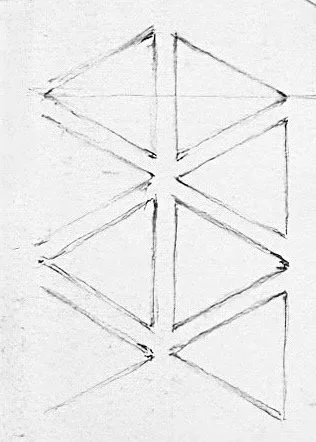
Be aware of spaces between shapes too
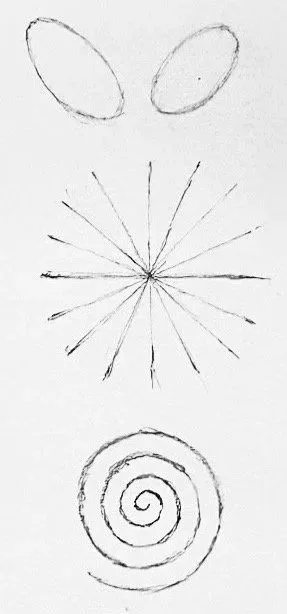
Vary the shapes
Draw some straight lines, without a ruler
Vary the lengths and angles, stay in control of the line
Decide where they start and stop, and be aware of the space in between them as well - developing spatial awareness
Draw some circles and curves freehand - vary the size (circles) and direction (curves) - developing hand eye co-ordination
Link some curves together to create S shapes
Try drawing lots of different shapes, triangles, spirals, stars - whatever takes your fancy, but always keep control of the mark
This skill develops hand/eye coordination as well as spatial awareness, and is the cornerstone of creating art.
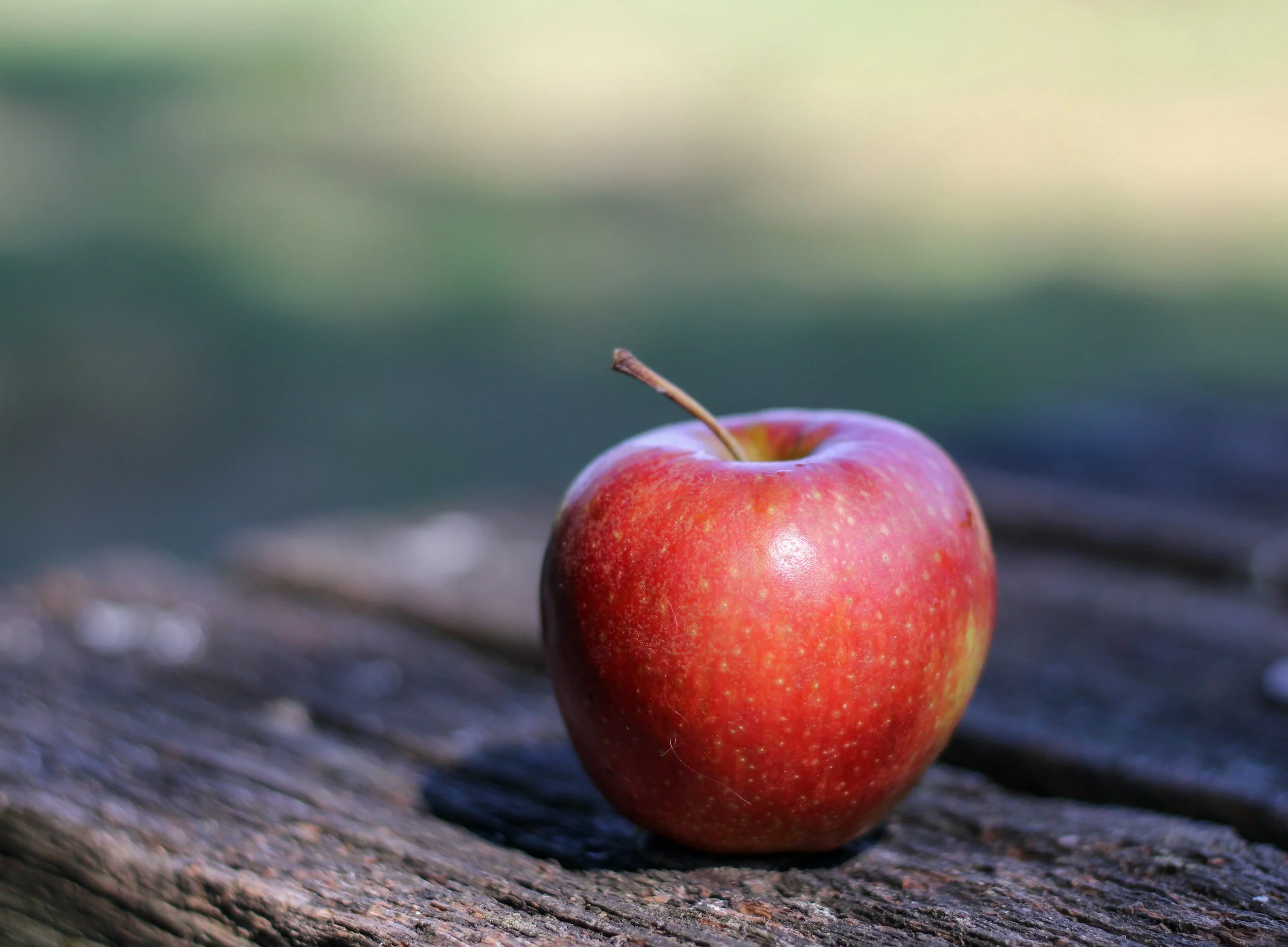
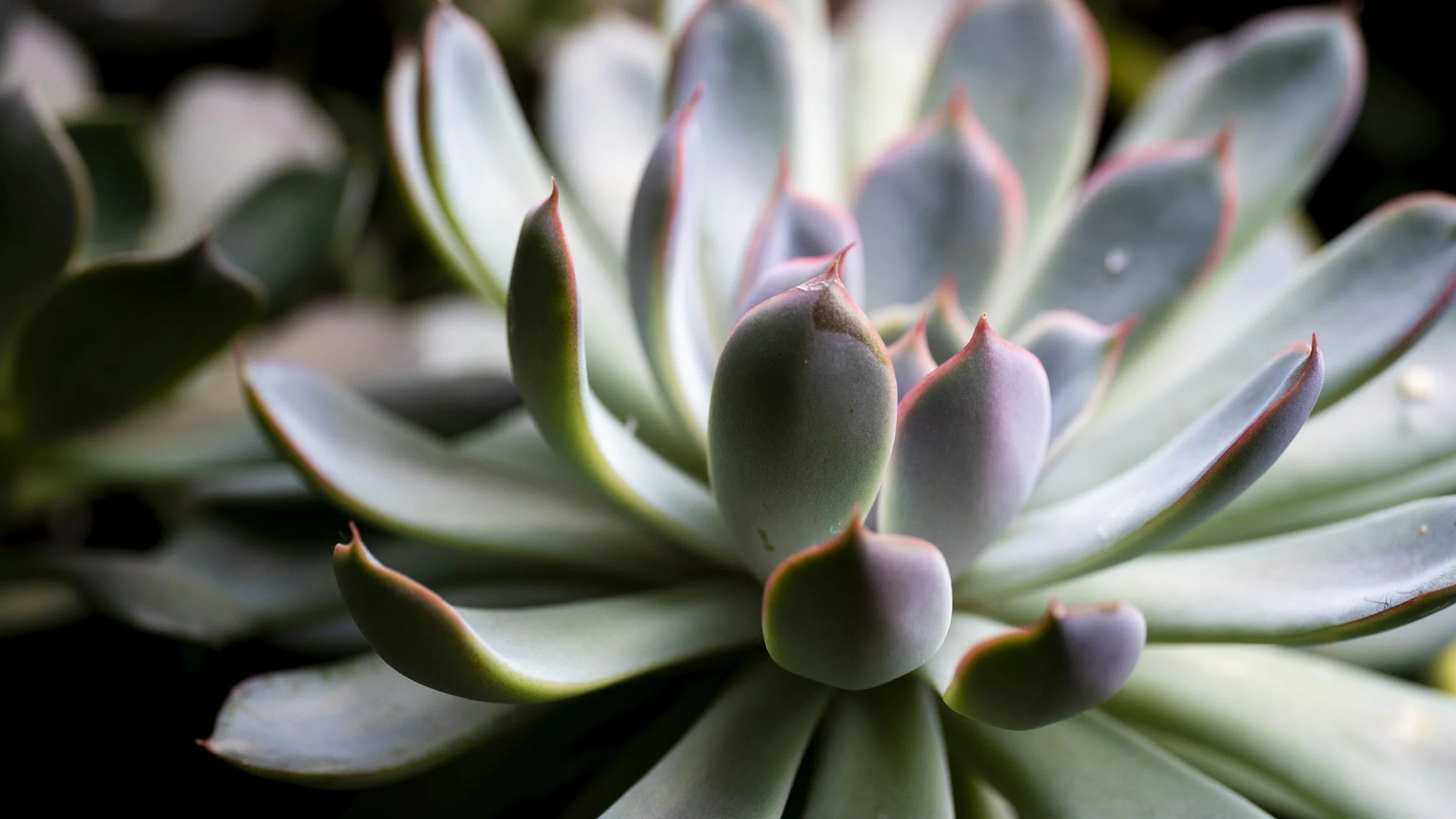
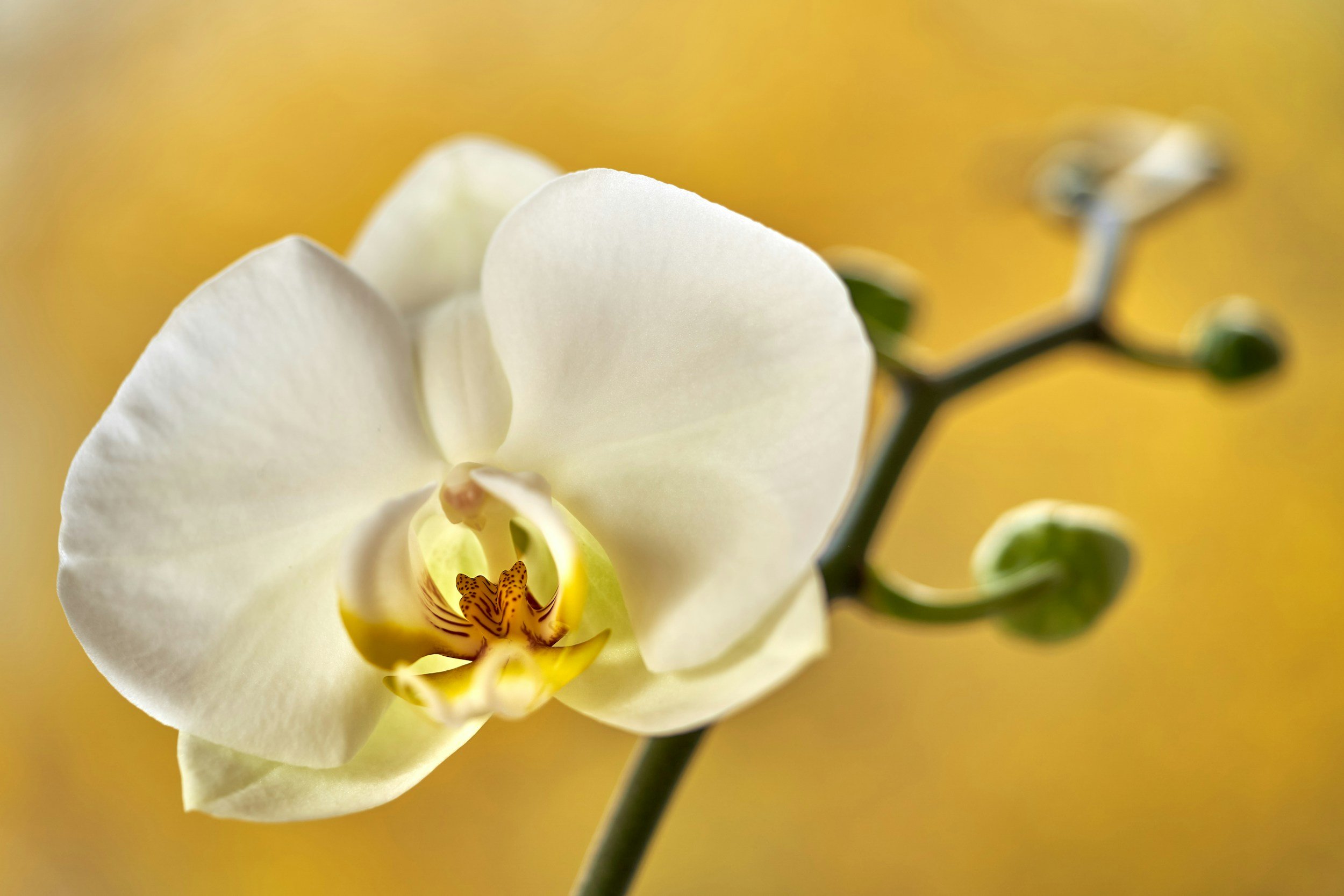
If you want to draw from real objects (from life), look around your home/garden for simple items with clear, bold shapes.
Avoid anything overly detailed or fussy at this stage, keeping things simple allows you to focus on seeing shapes more easily and building your observation skills. You can always add more complexity as your skills improve.
take a photo of what you’re drawing from the angle you’re sitting at, just in case you get up to make a cuppa half way through, or need to finish another day.
A few suggestions:
Sometimes working from photos is an easier option when first starting to draw - the photo has already turned the subject into a flat image, removing the challenge of trying to make a 3D object look 2D on your paper.
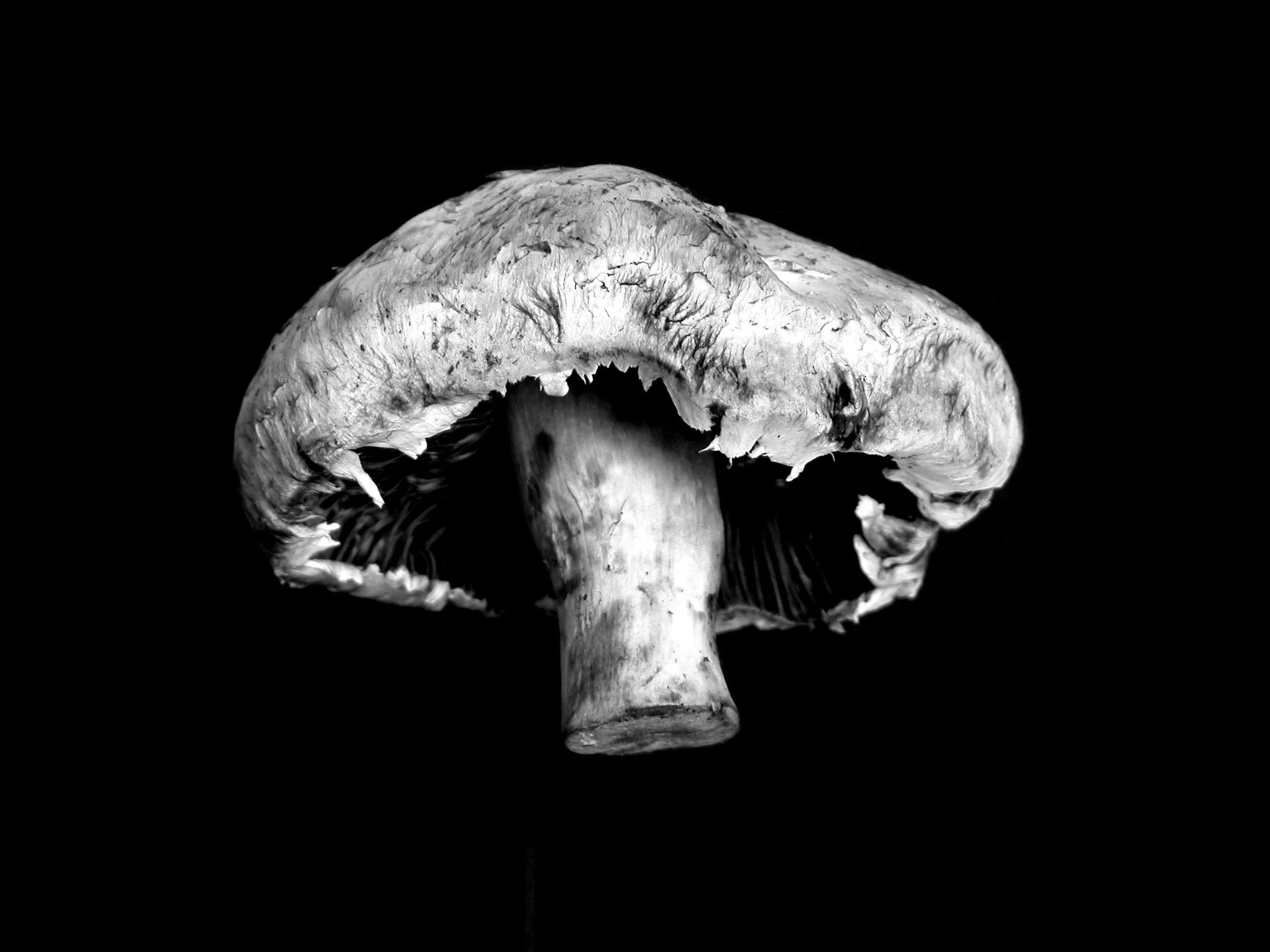
Converting a photo to black and white can also be helpful when only working in pencil. It removes the distraction of colour, allowing you to concentrate on all the various tones instead - you’ll see the lightest and darkest areas more easily, as well as all the grey shades in between.
…some sample photos below
-
![]()
Simple piece of fruit
-
![]()
Simple house plant
-
![]()
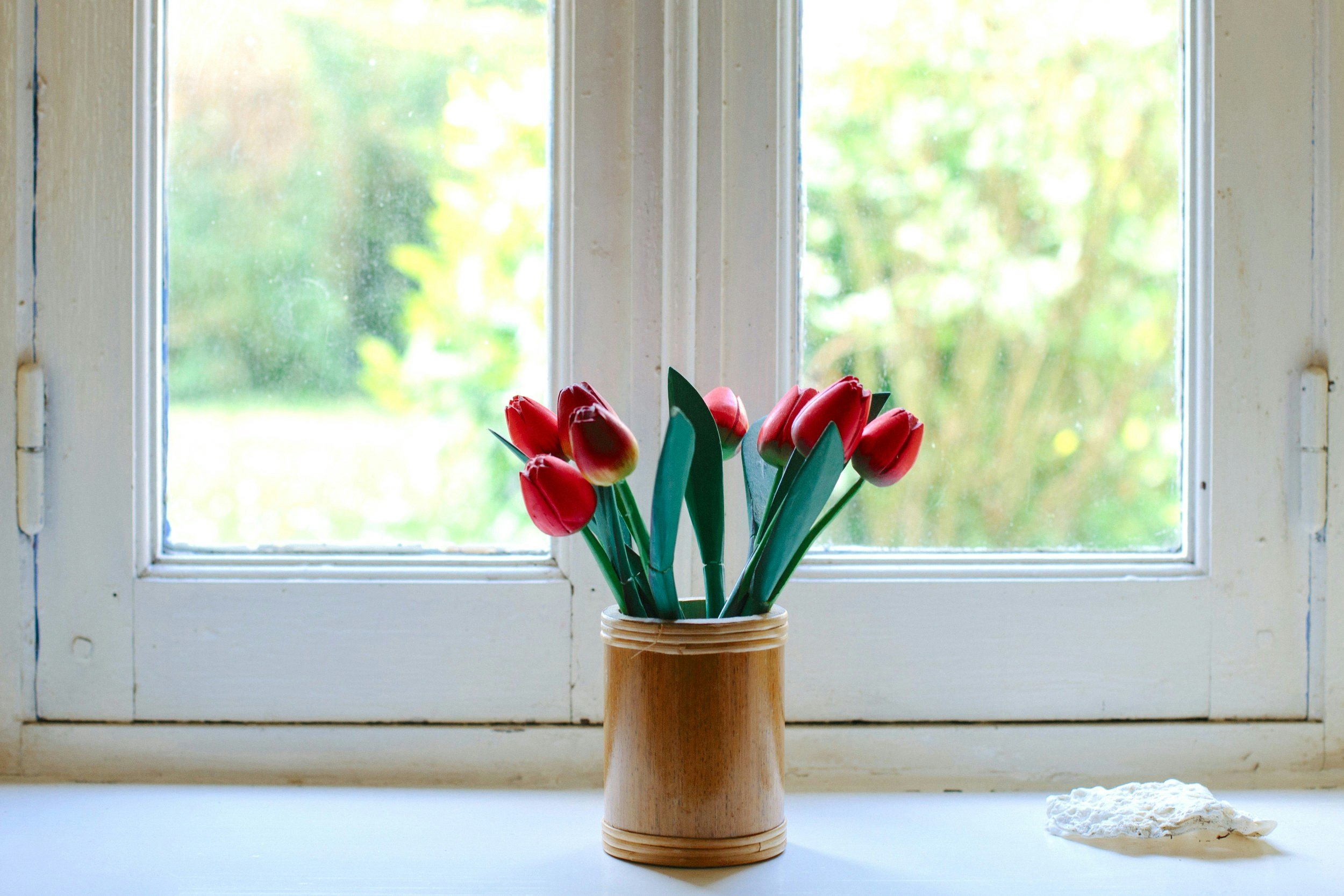
Simple flowers
-
![]()
Look in the kitchen
-
![]()
A collection of veg
-
![]()
A simple scene
-
![]()
A simple still life
-
![]()
Start with just one
-
![]()
Simple shapes
-
![]()
Look around your home
-
![]()
Putting objects together
-
![]()
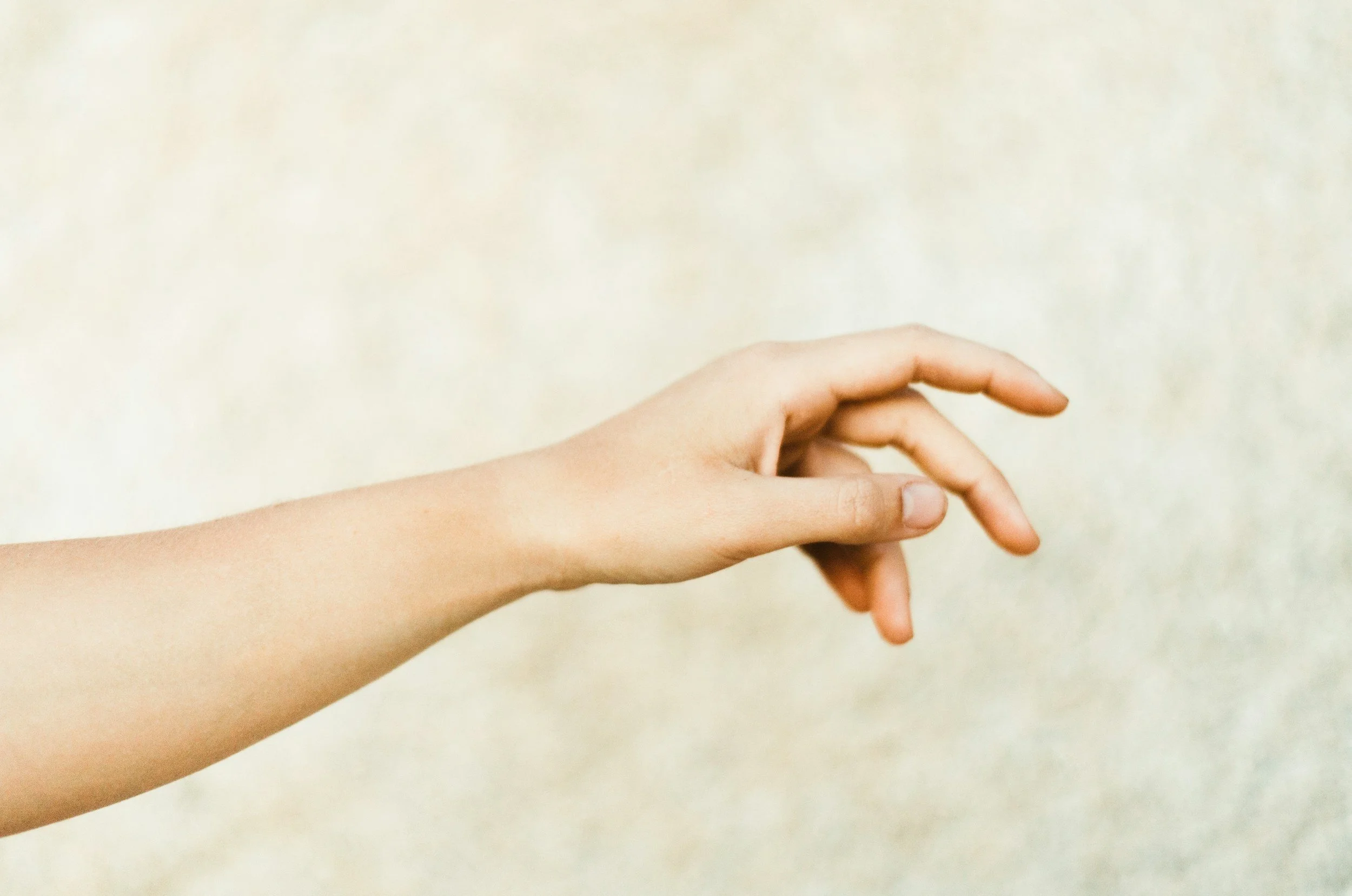
Your own hand
-
![]()
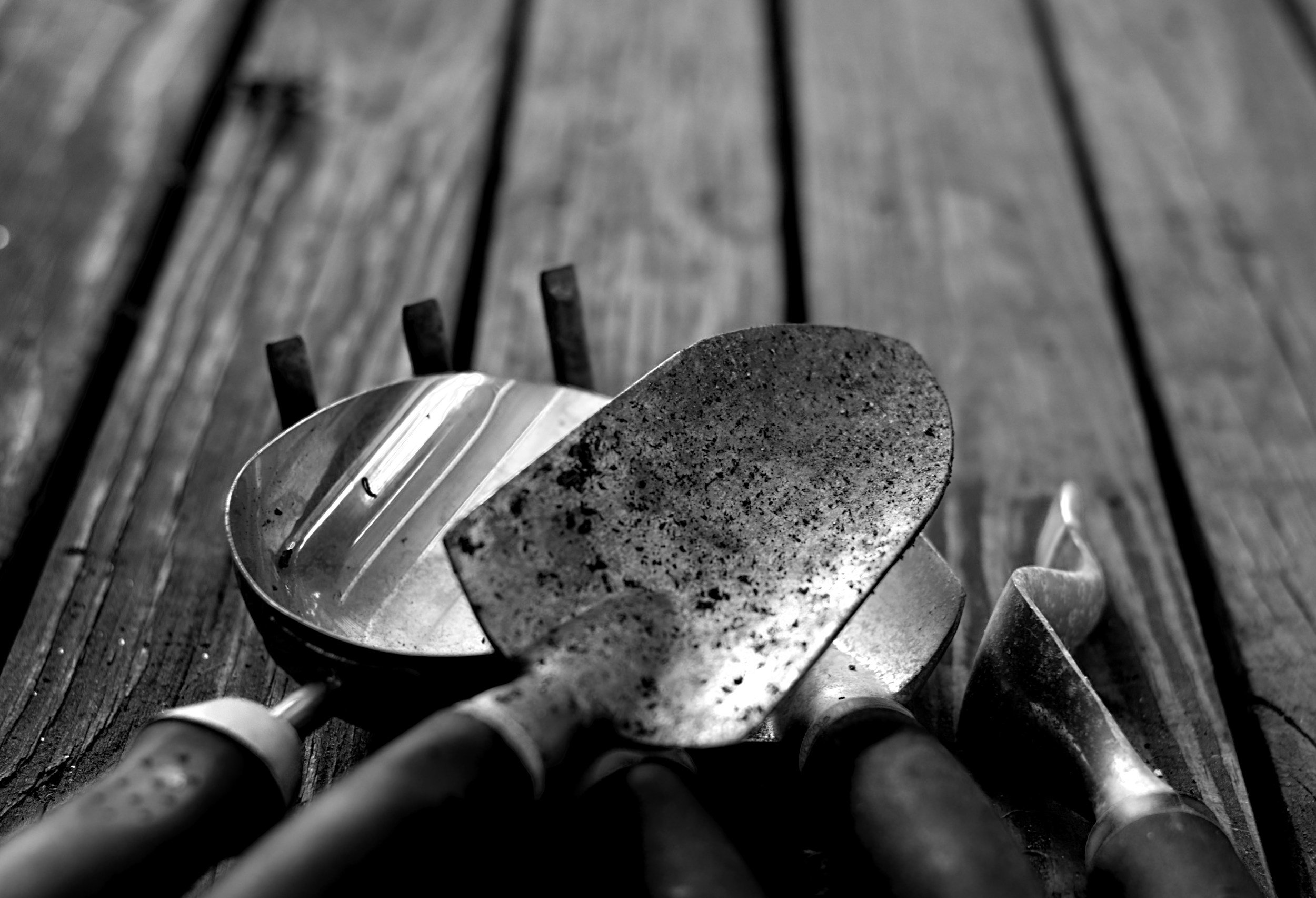
Look in the shed