Reflections
Reflection can be explored in many different ways, both visually and emotionally
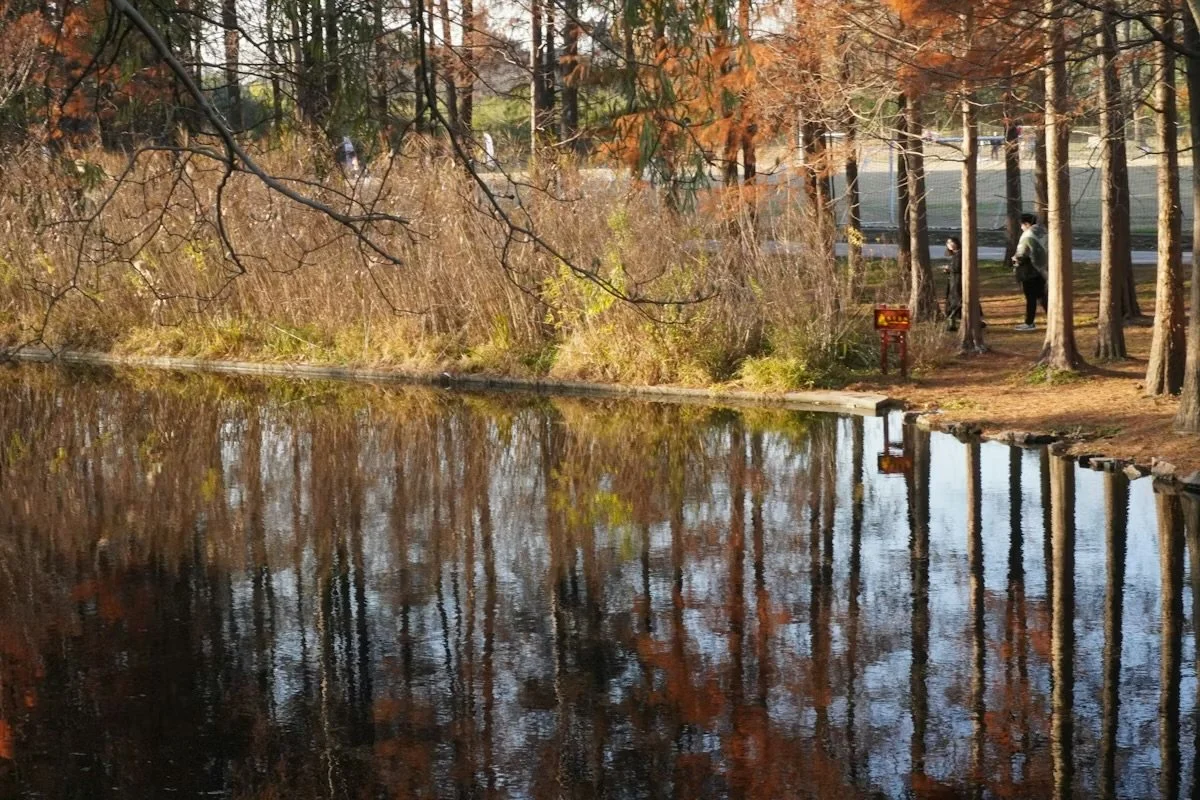
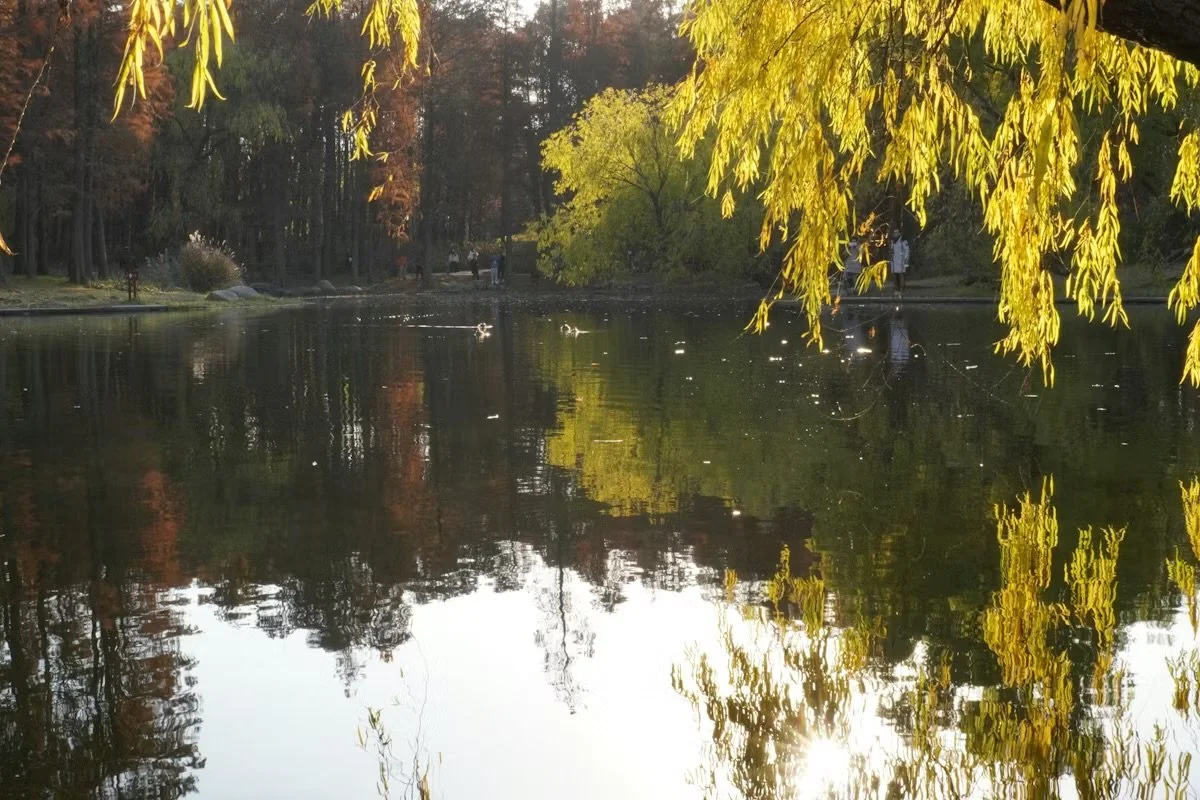
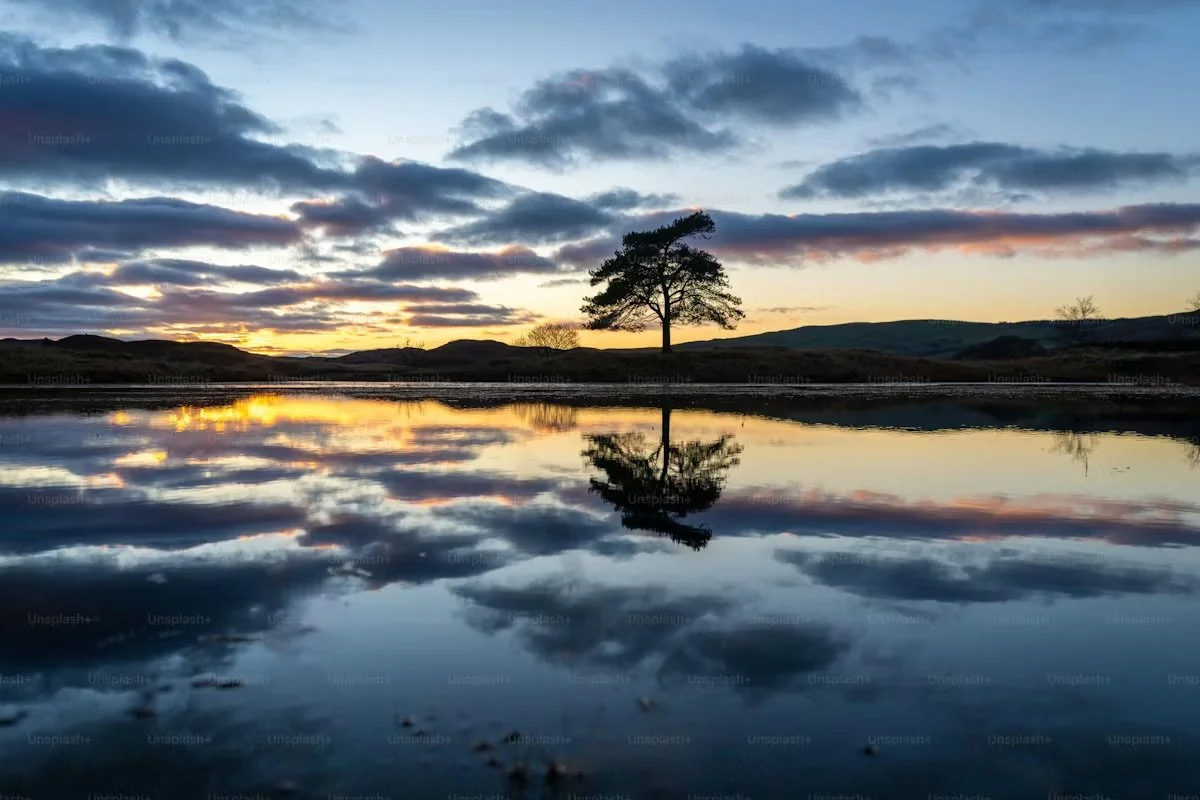
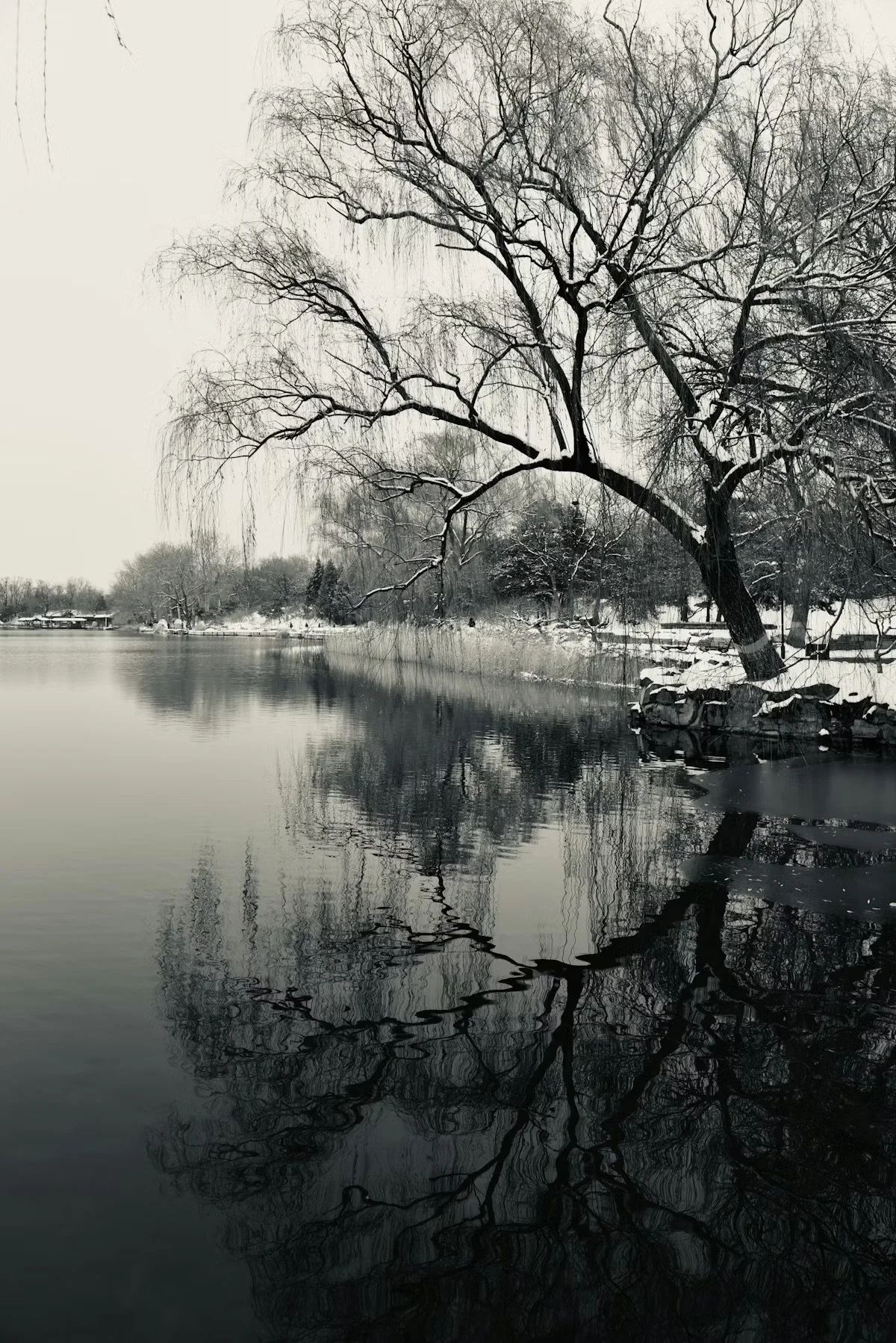
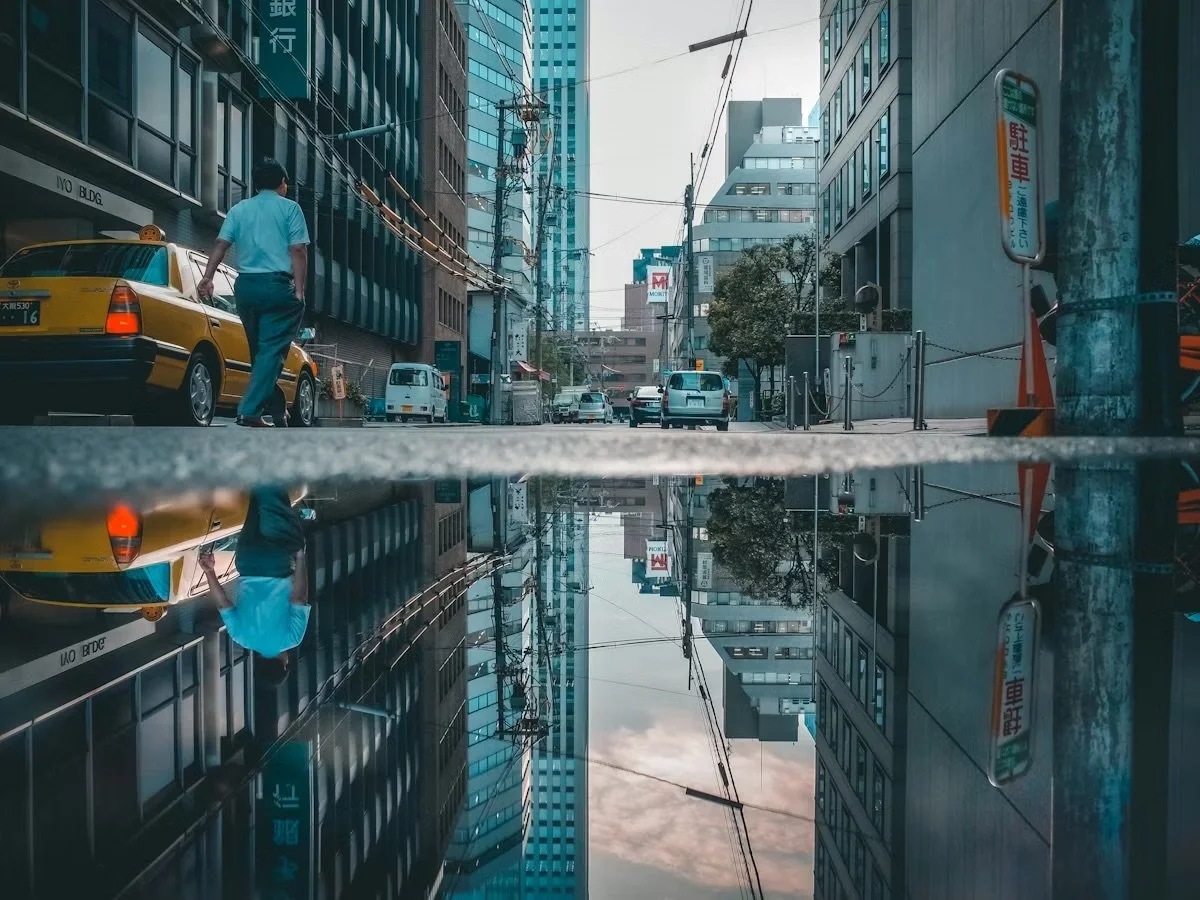
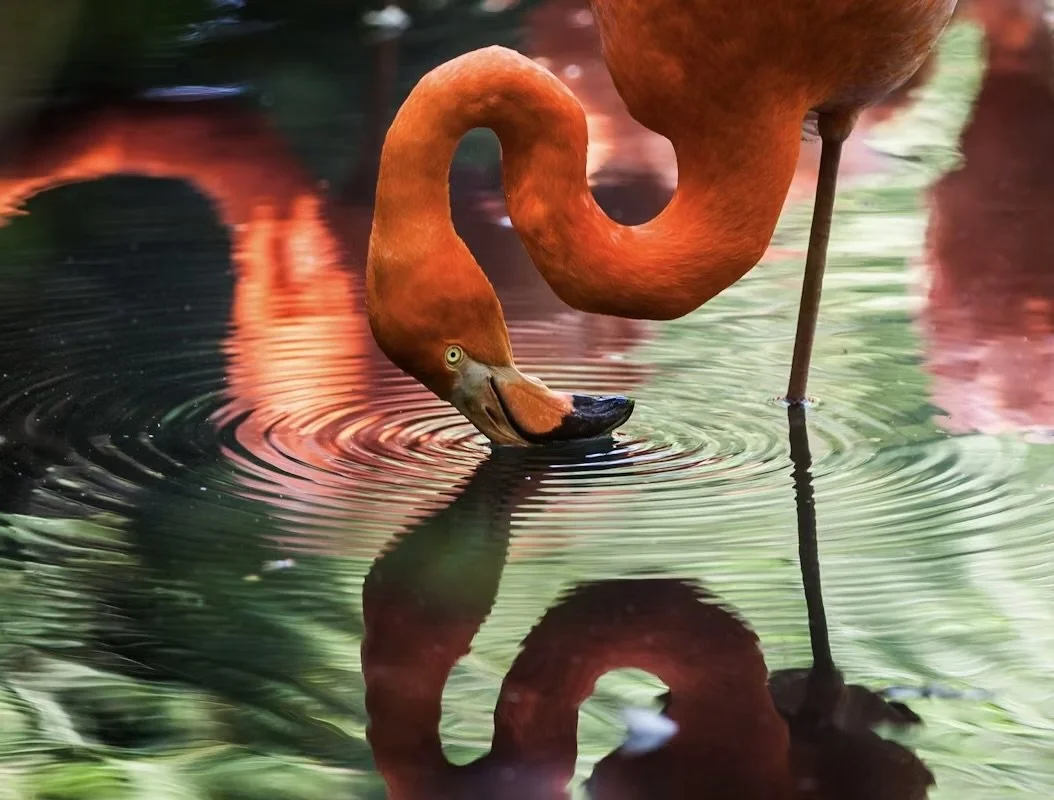
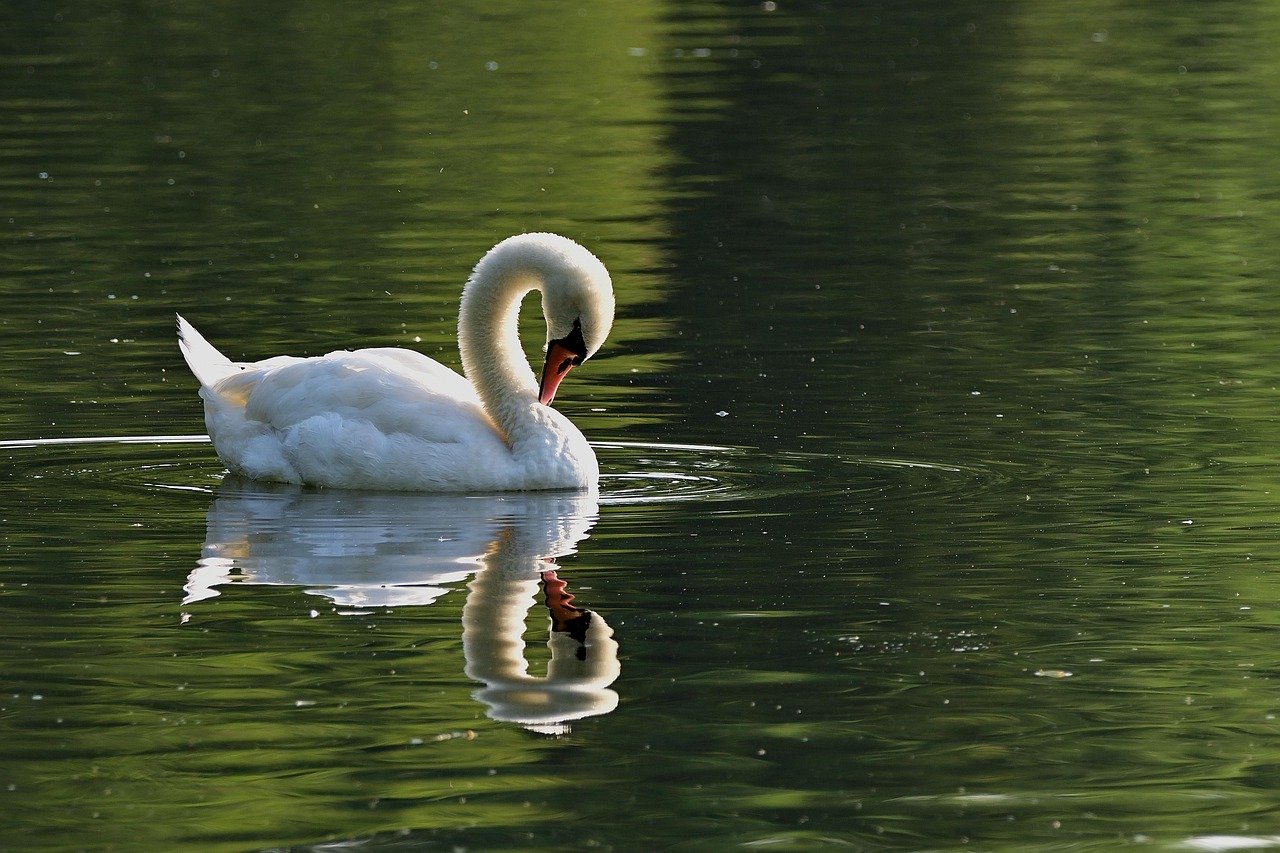
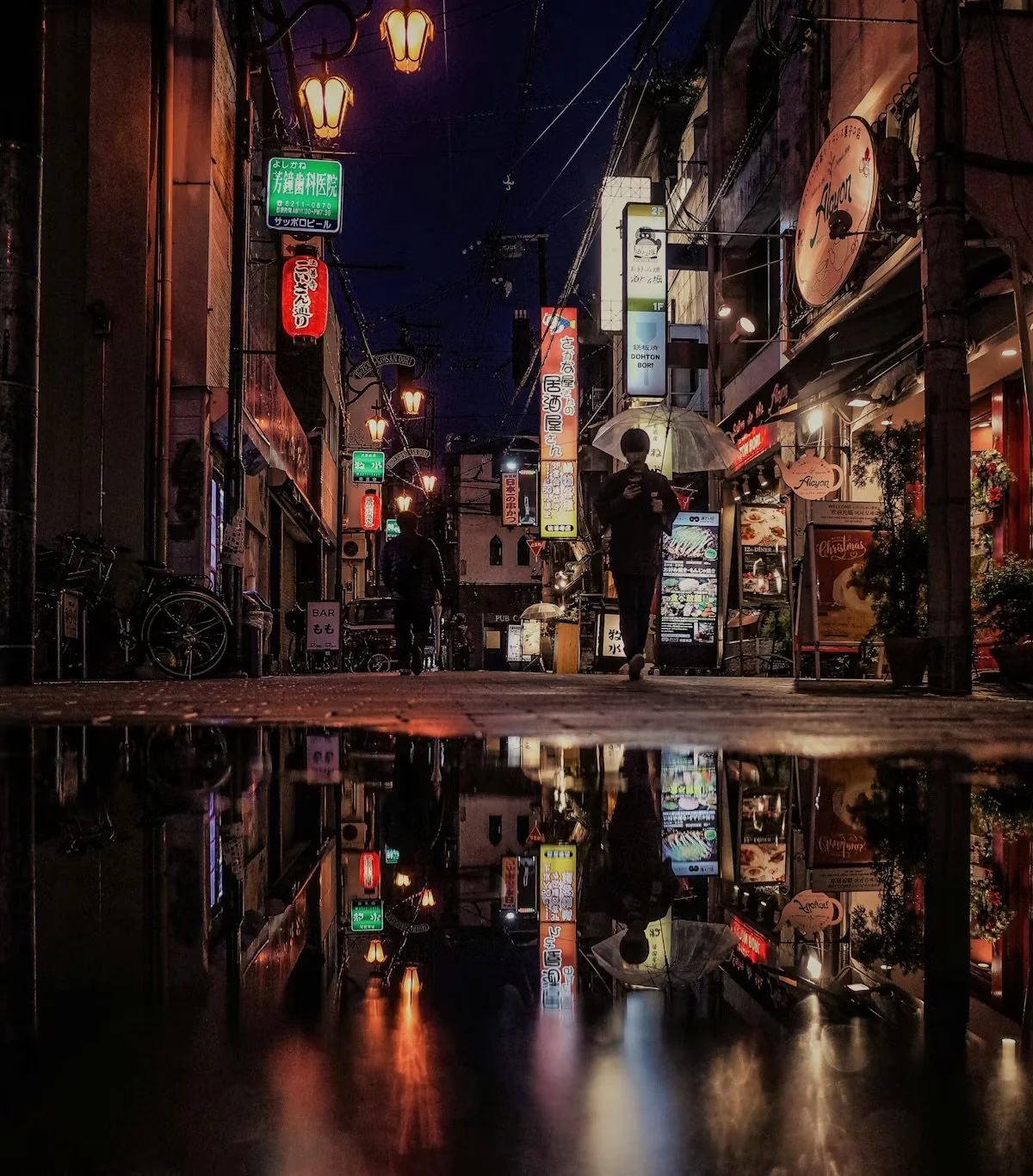
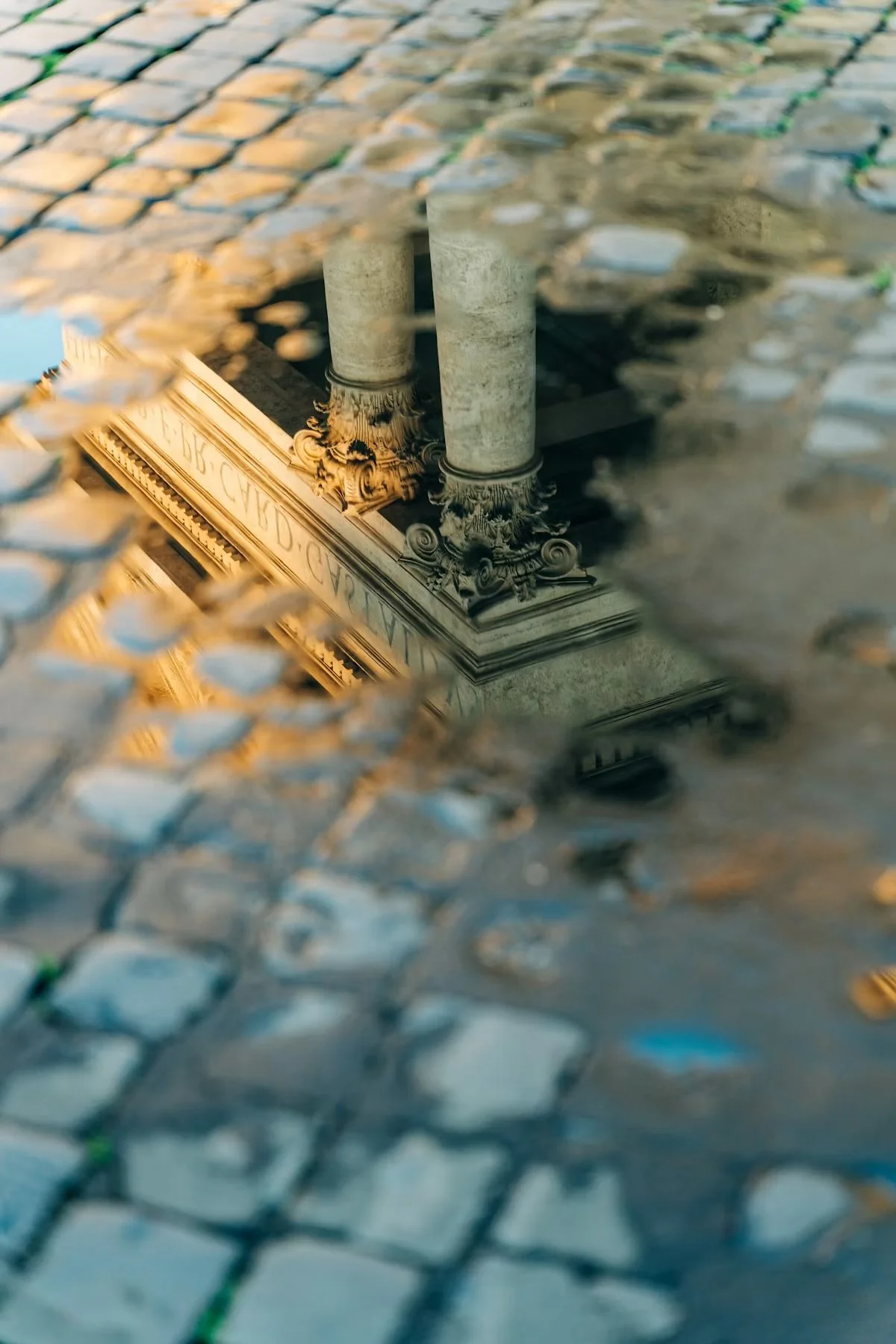
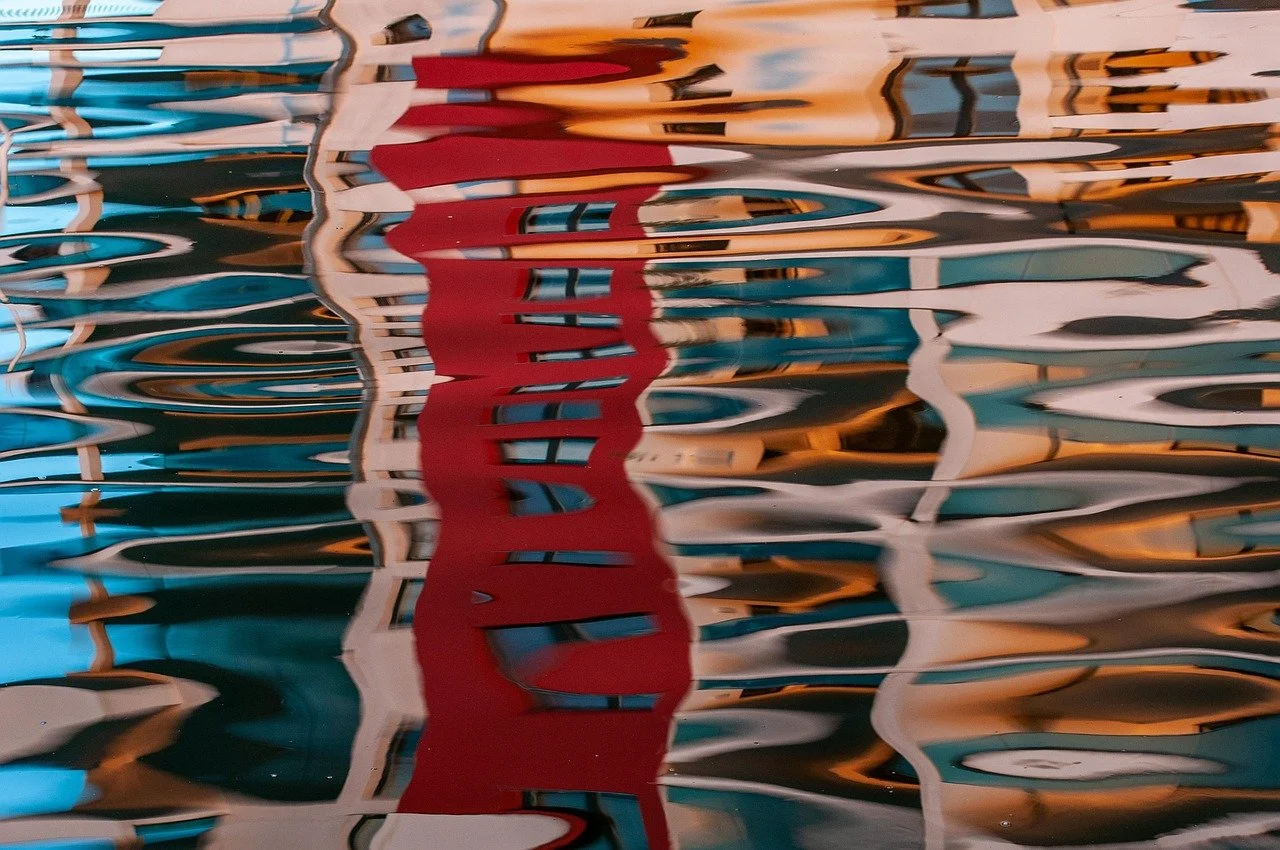
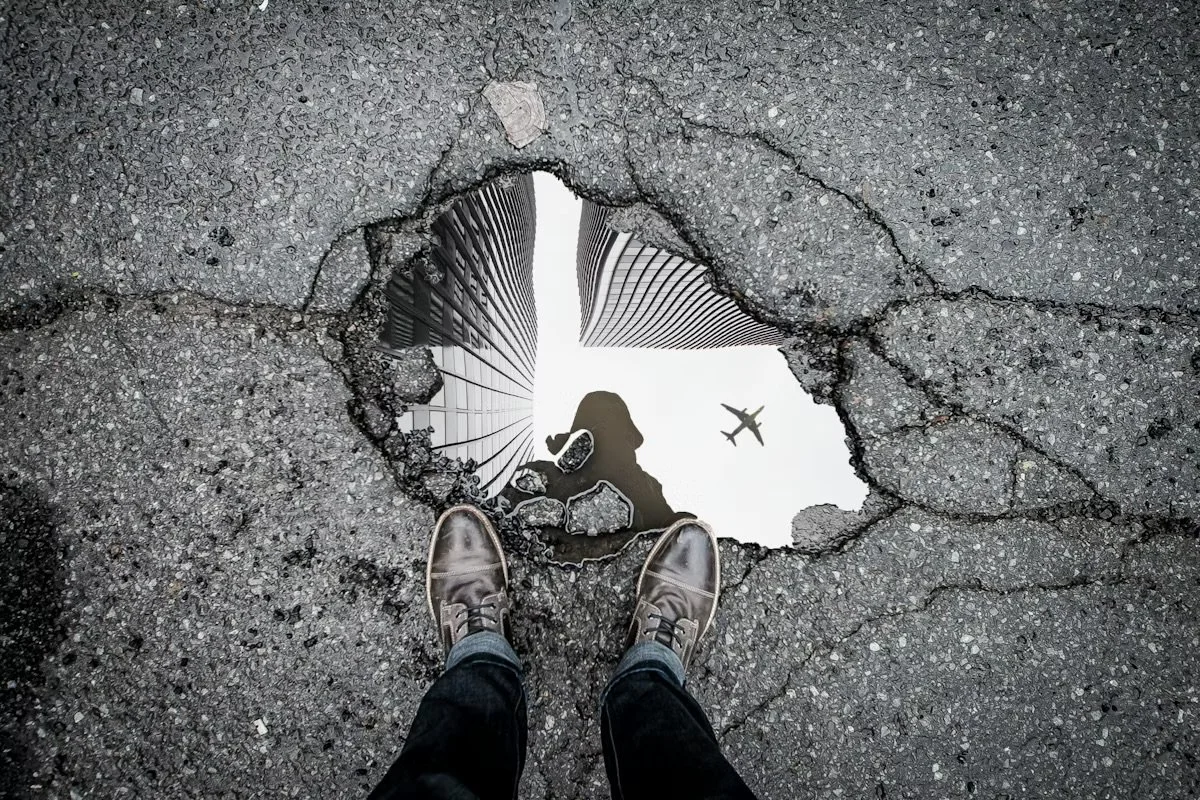
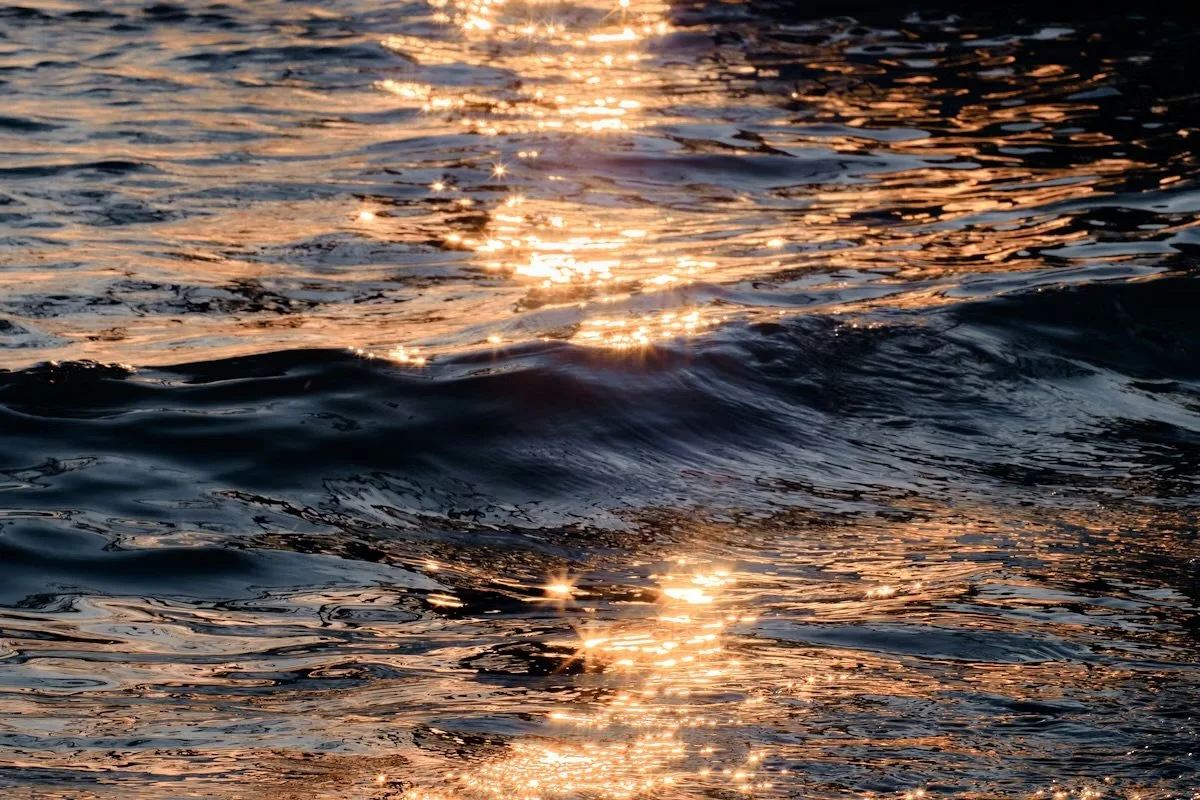
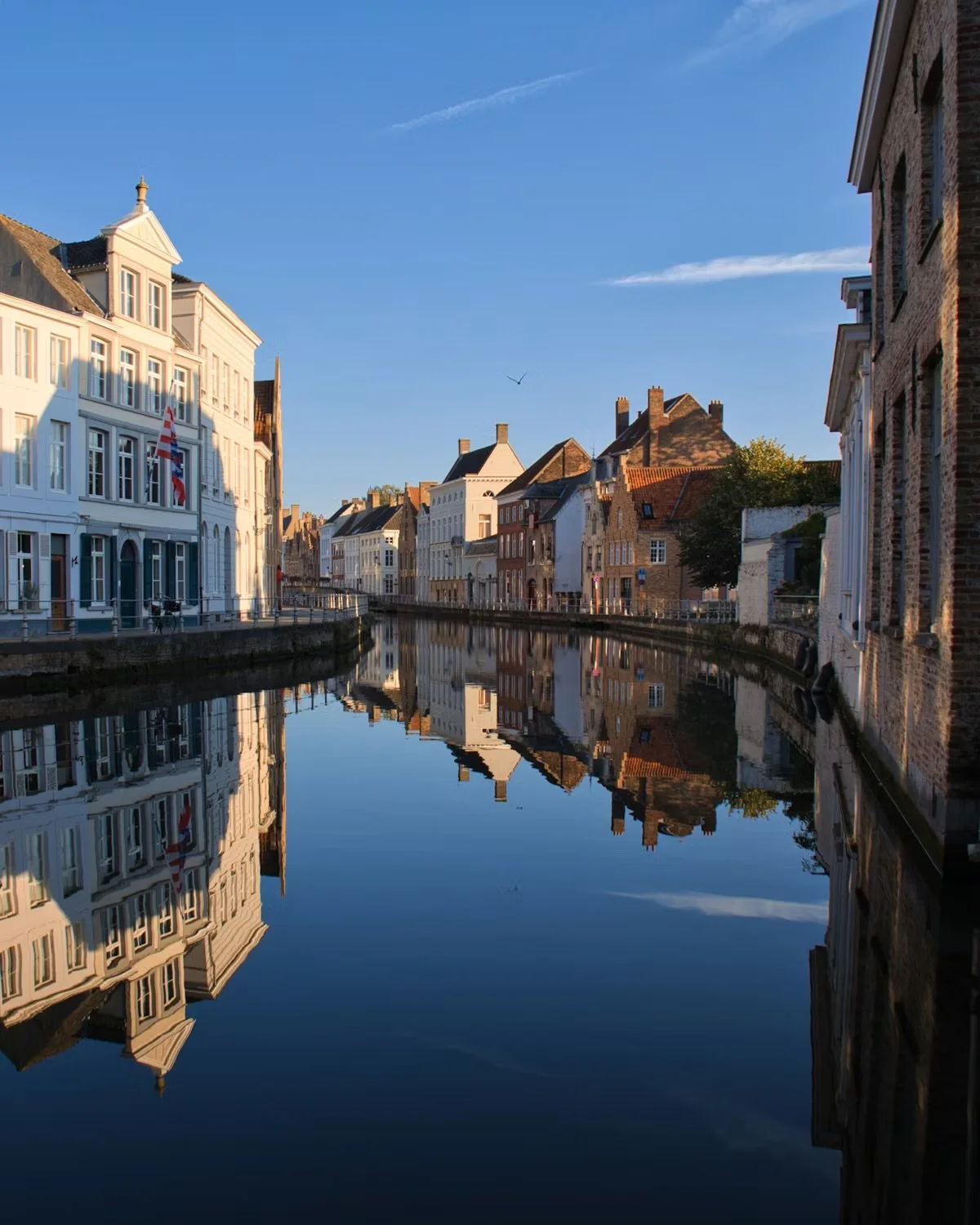
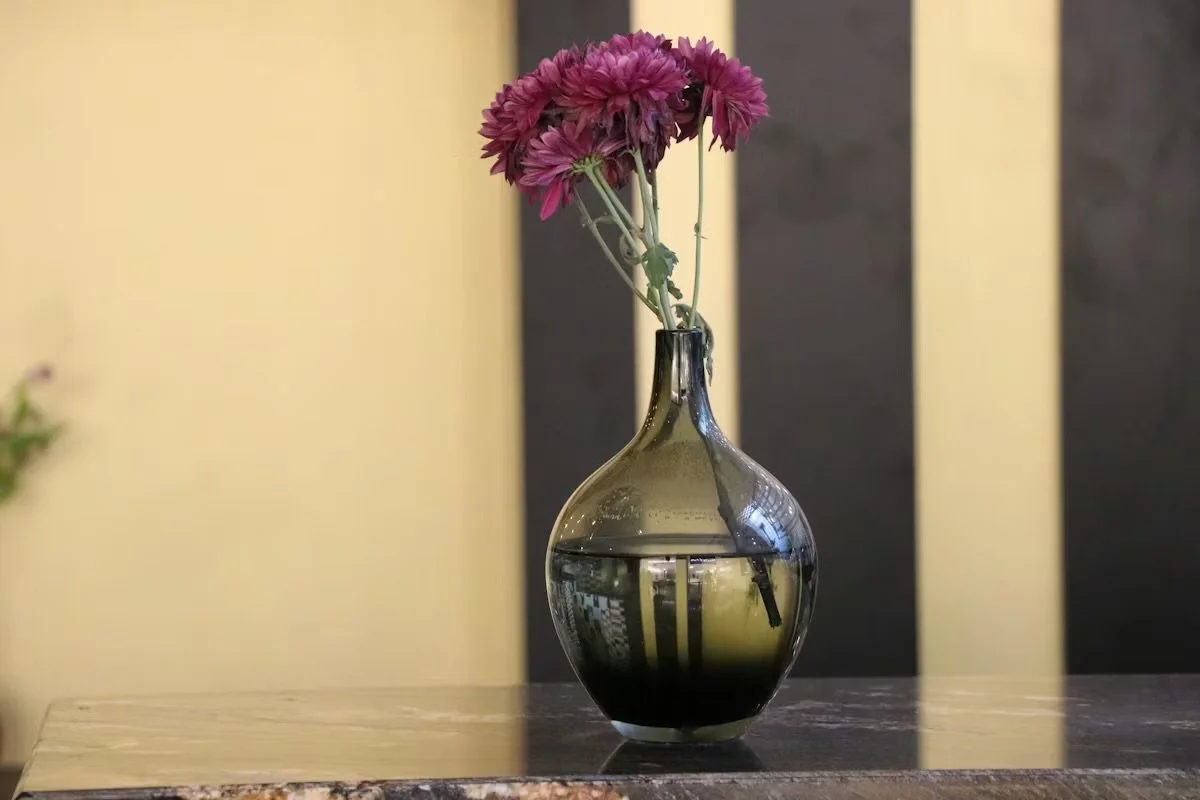
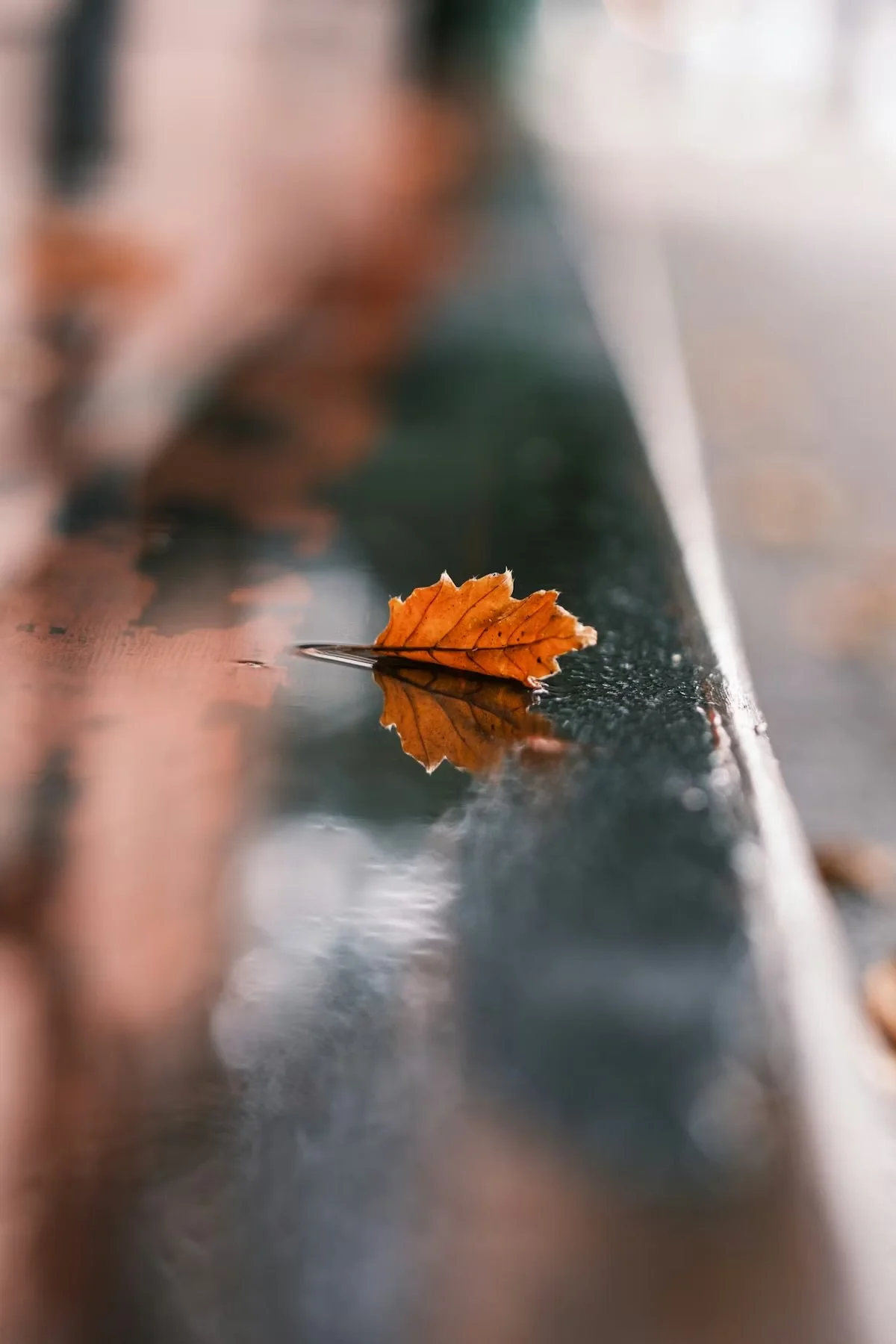
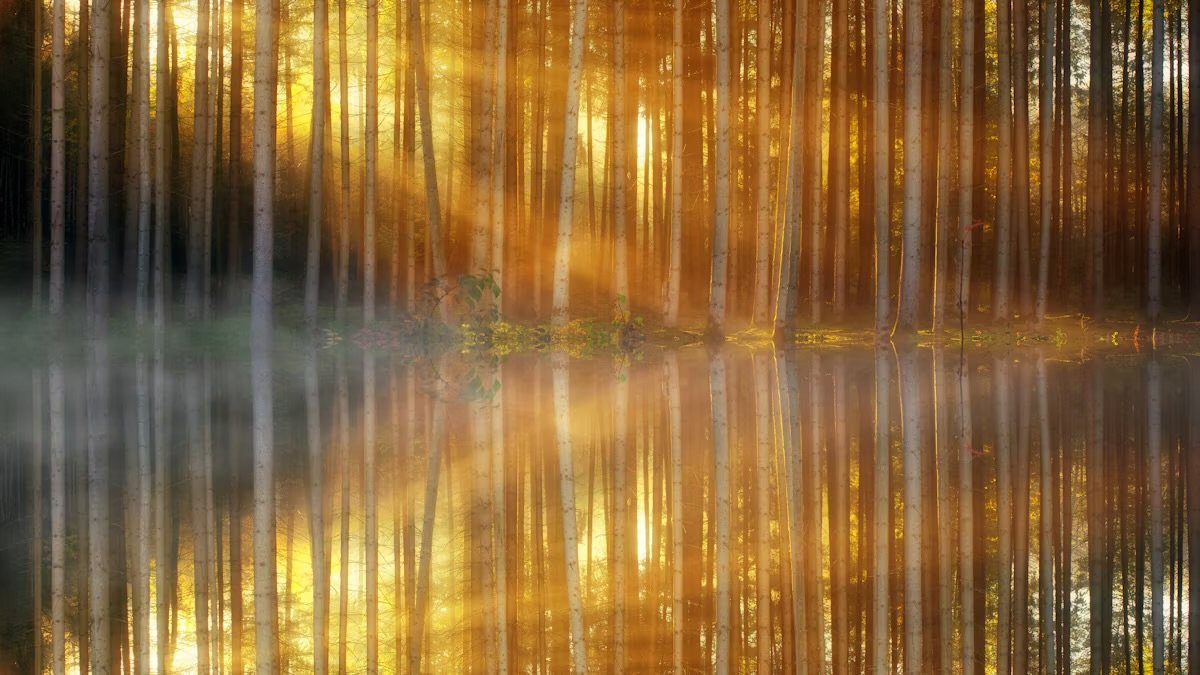
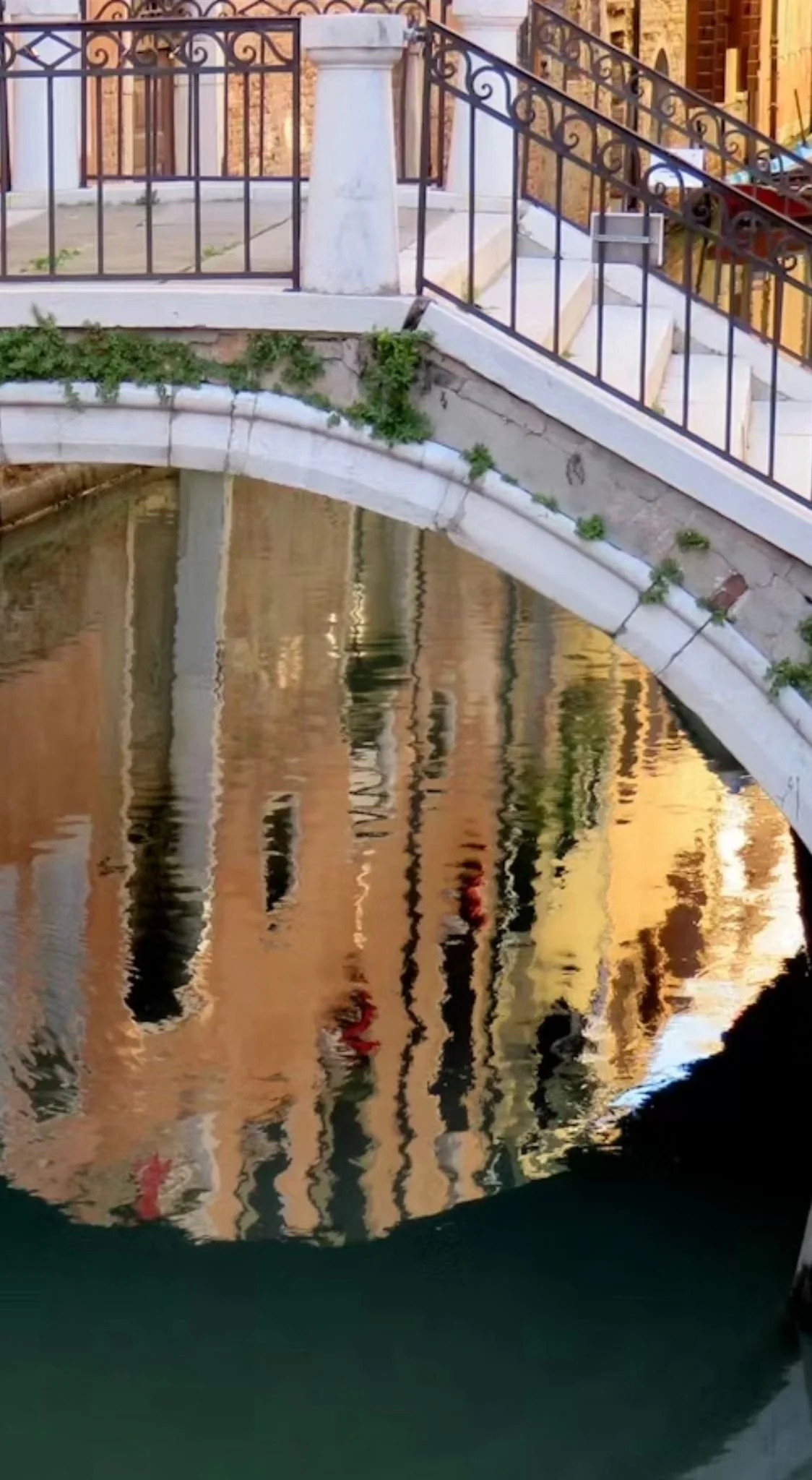
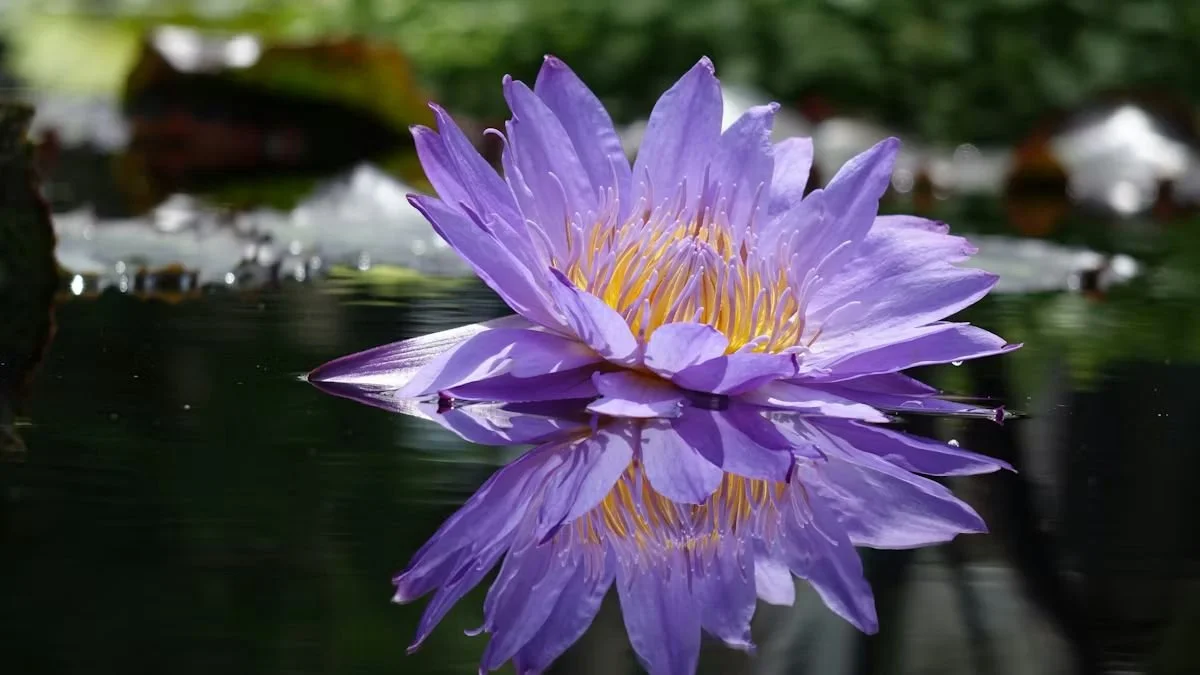
You might choose to draw or paint a literal interpretation of reflection - landscapes reflected in a lake, a quiet canal, or even the reflection of the sun and sky on the sea. Consider how water acts like a mirror, capturing the world within it…sometimes in the most unexpected places too, like surface water left on a beach after the tide has gone out, a rain-soaked street, or something much smaller, like a puddle discovered on a walk.
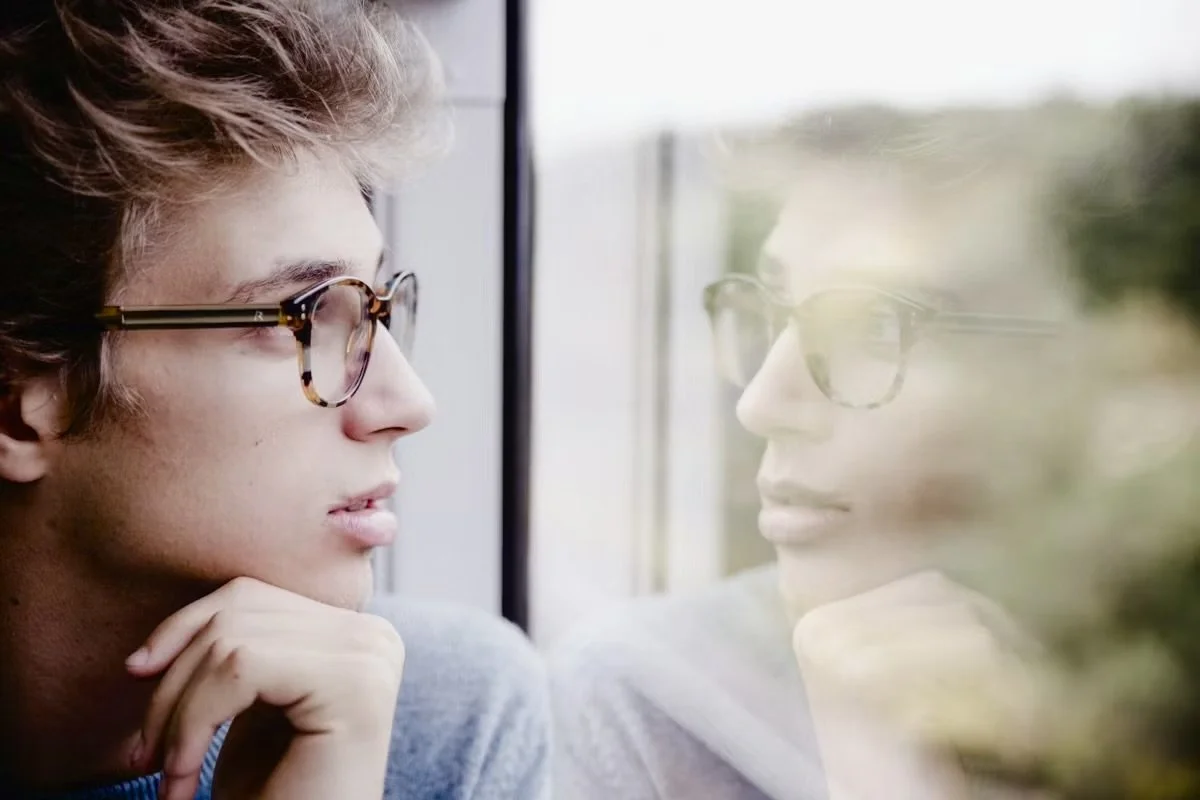
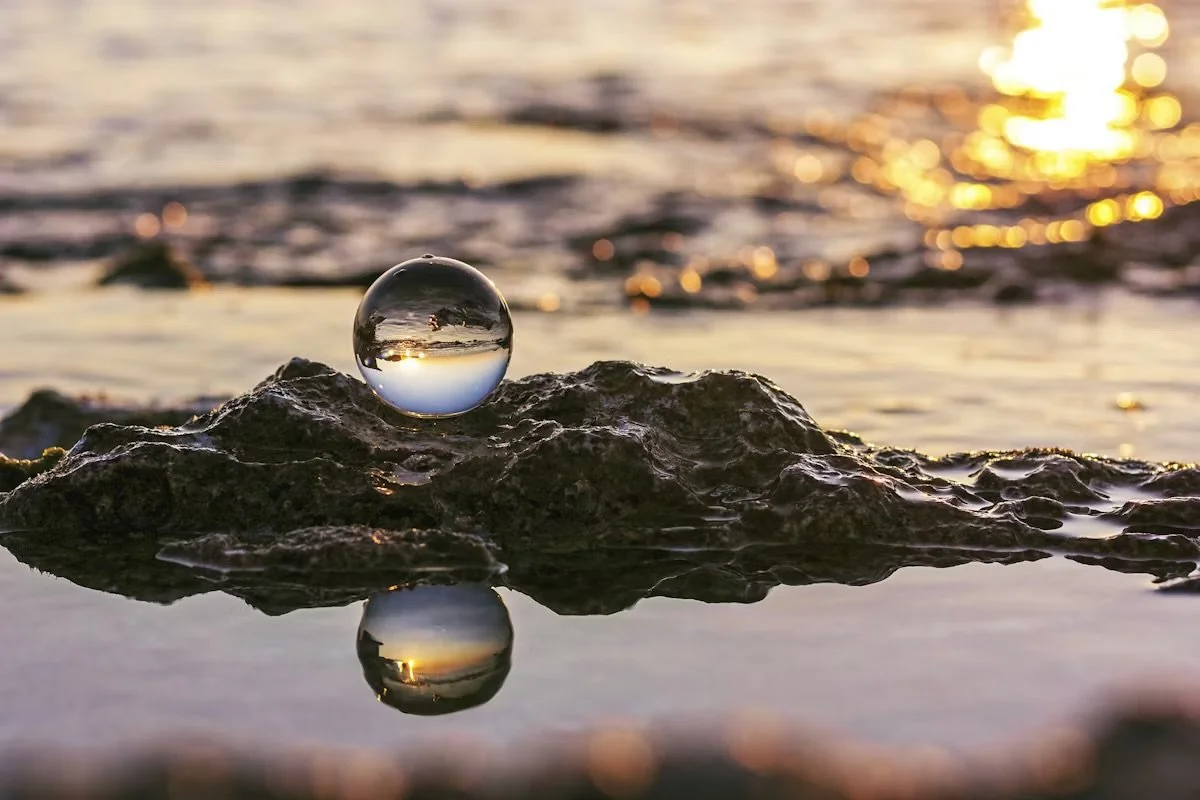
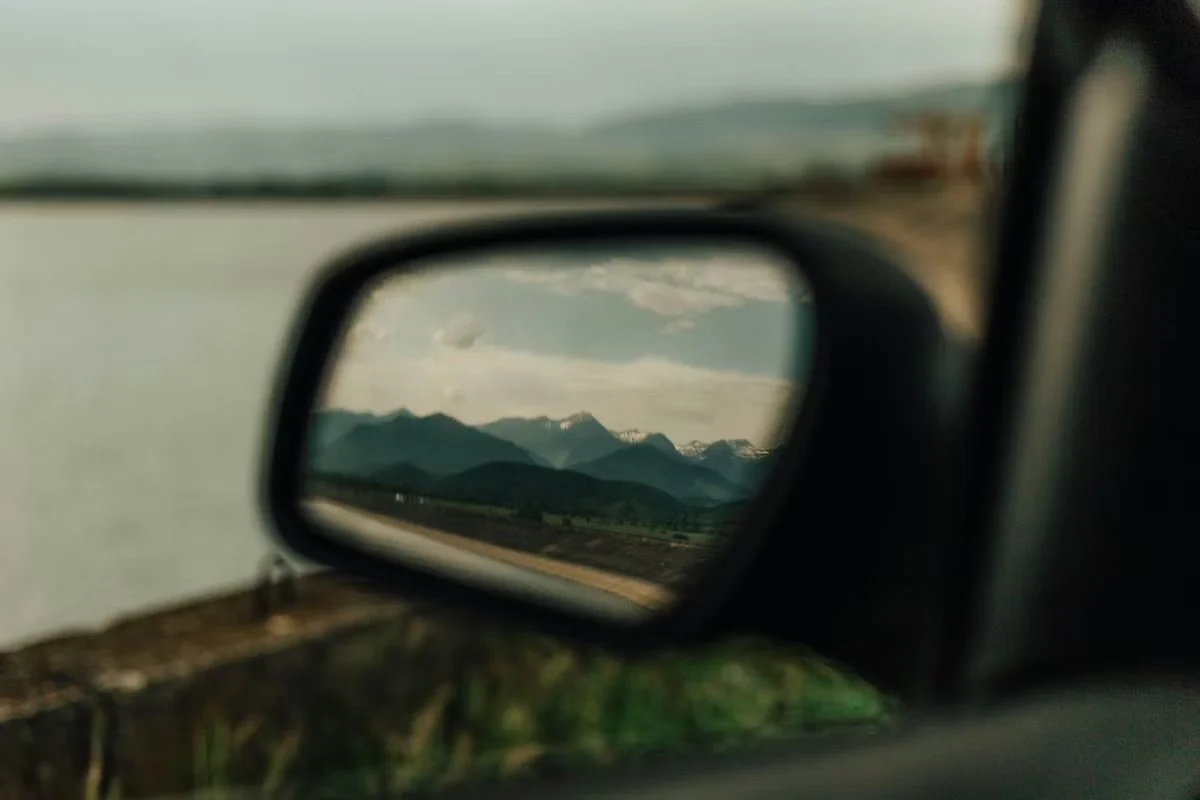
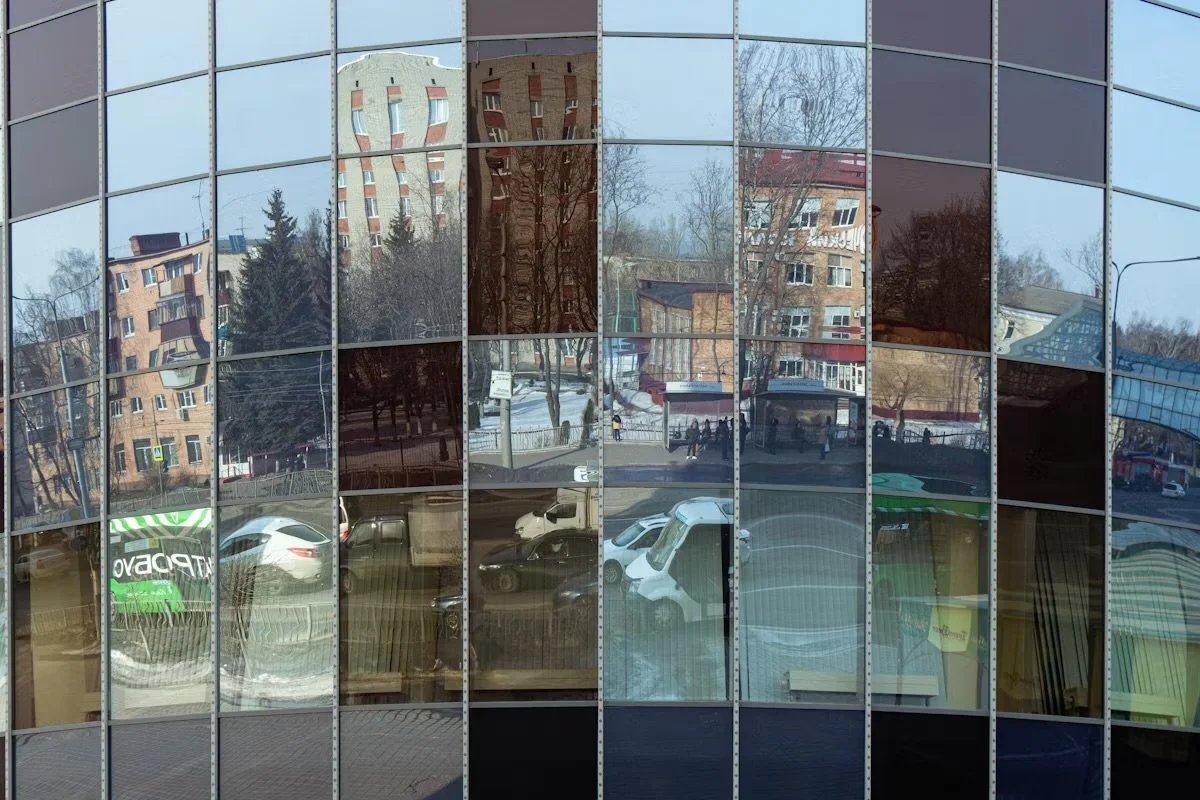
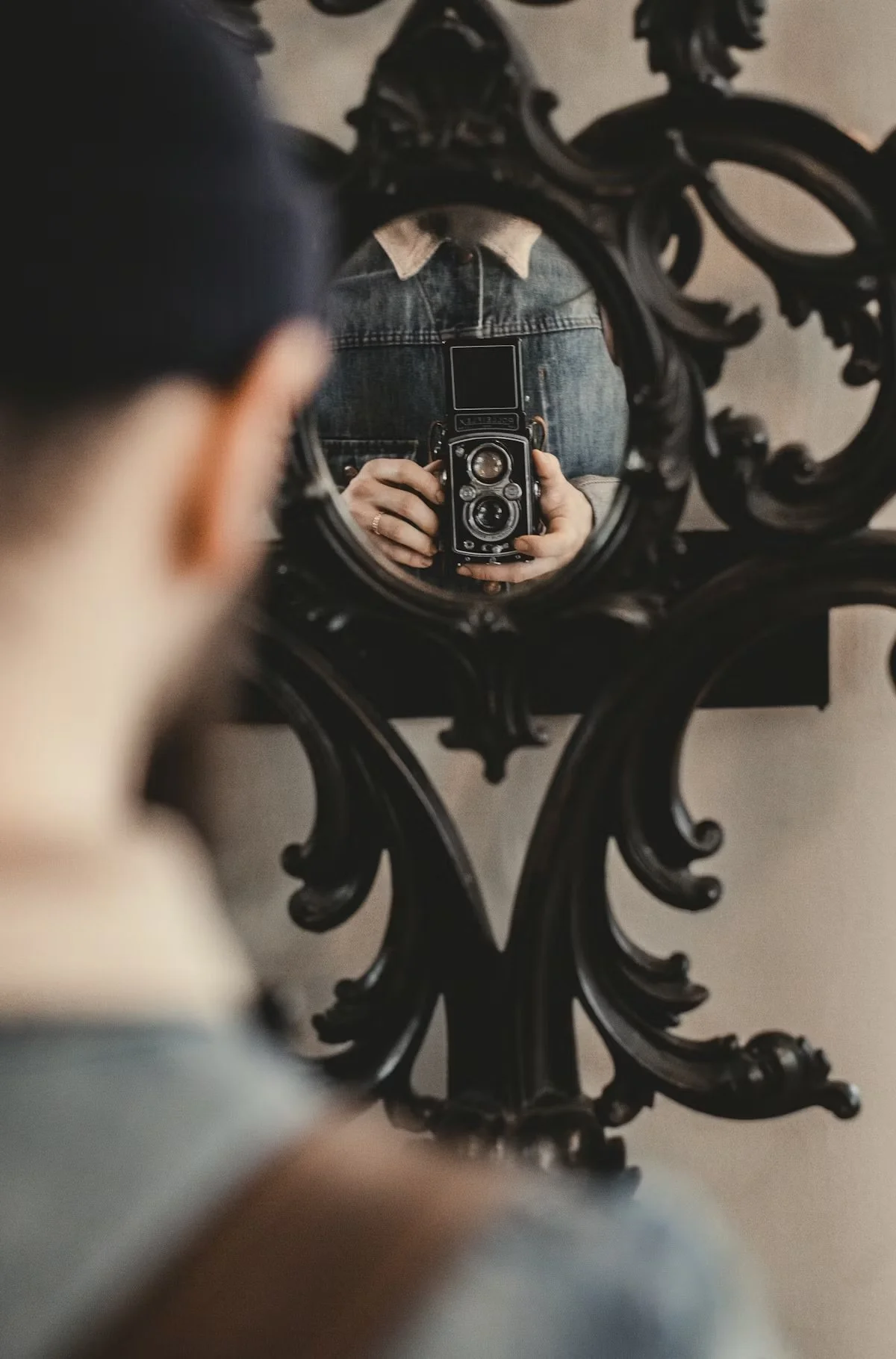
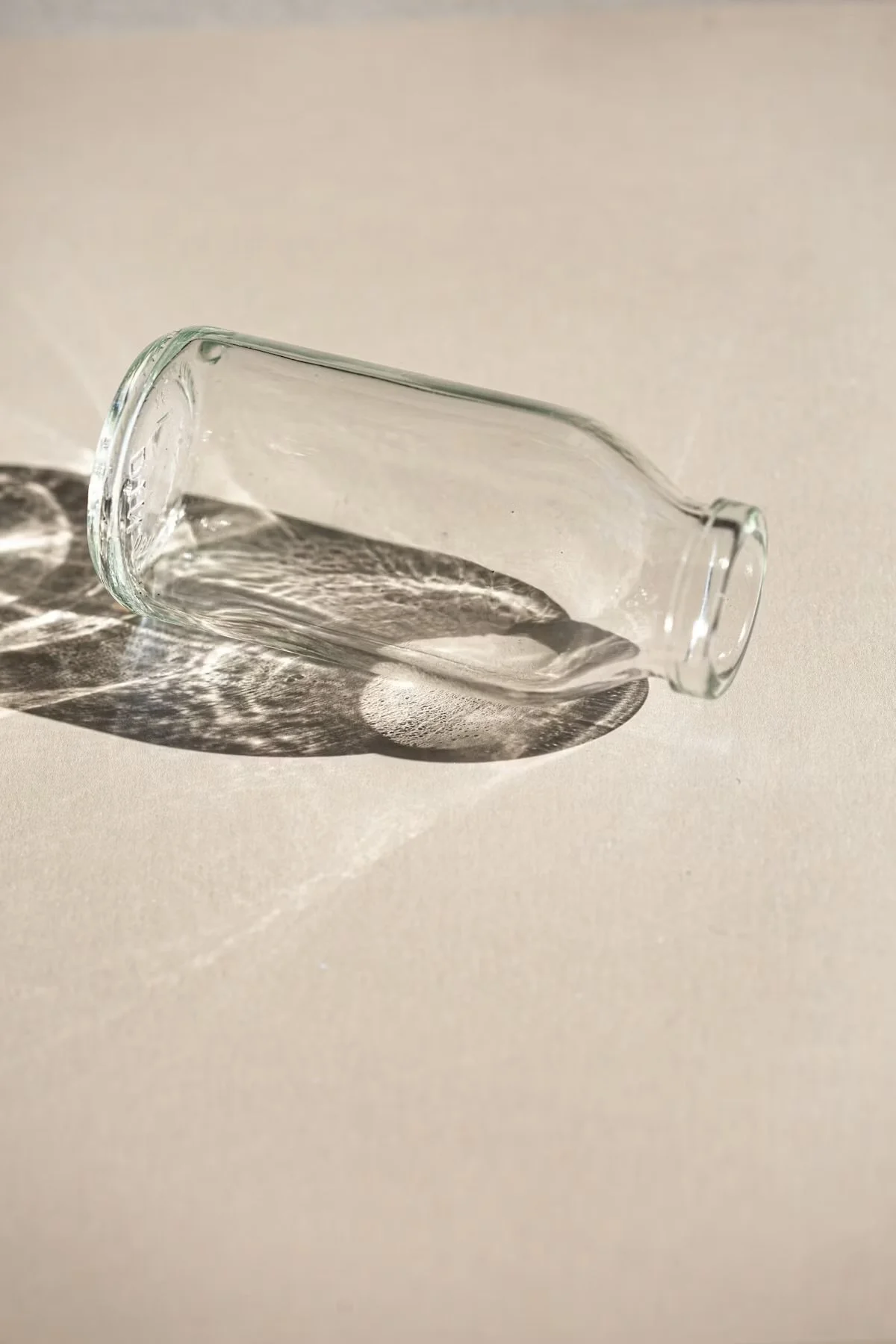
Of course, reflections don’t have to involve water, they can be found in many things around us - a mirror, window, metallic object, in fact any reflective surface that distorts, fragments, or alters what we see. Take a look around, and see how many reflections you can spot.
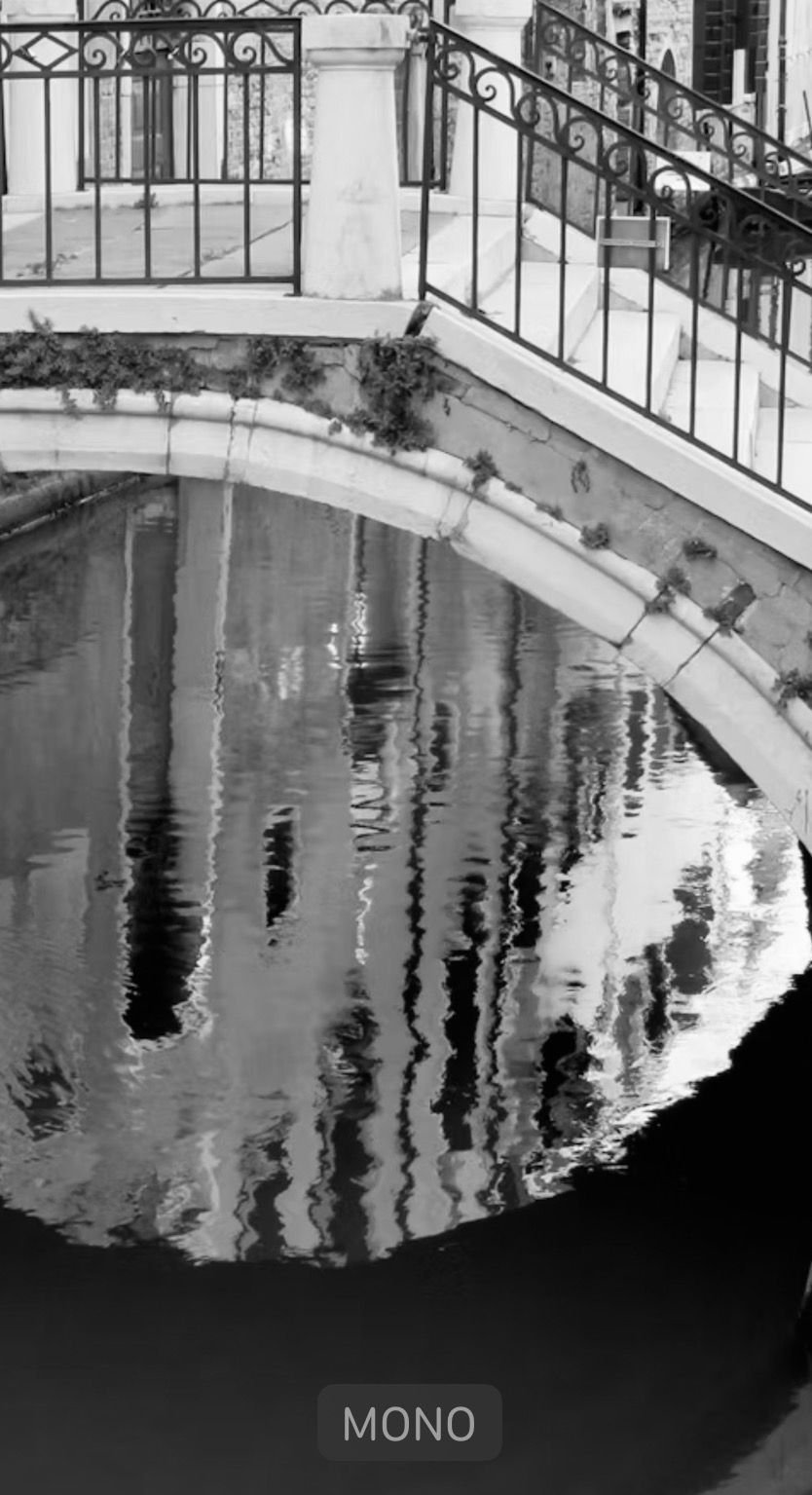
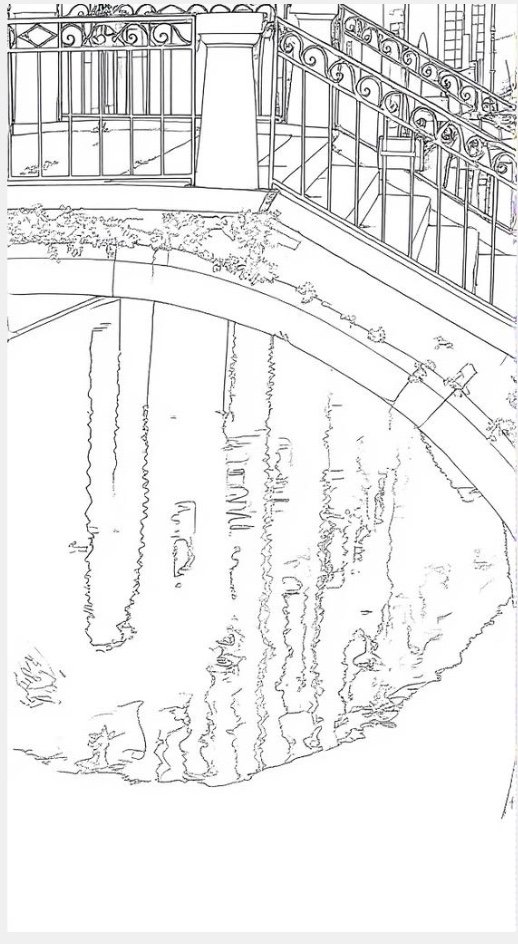
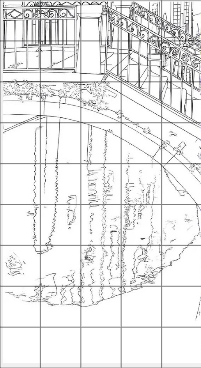
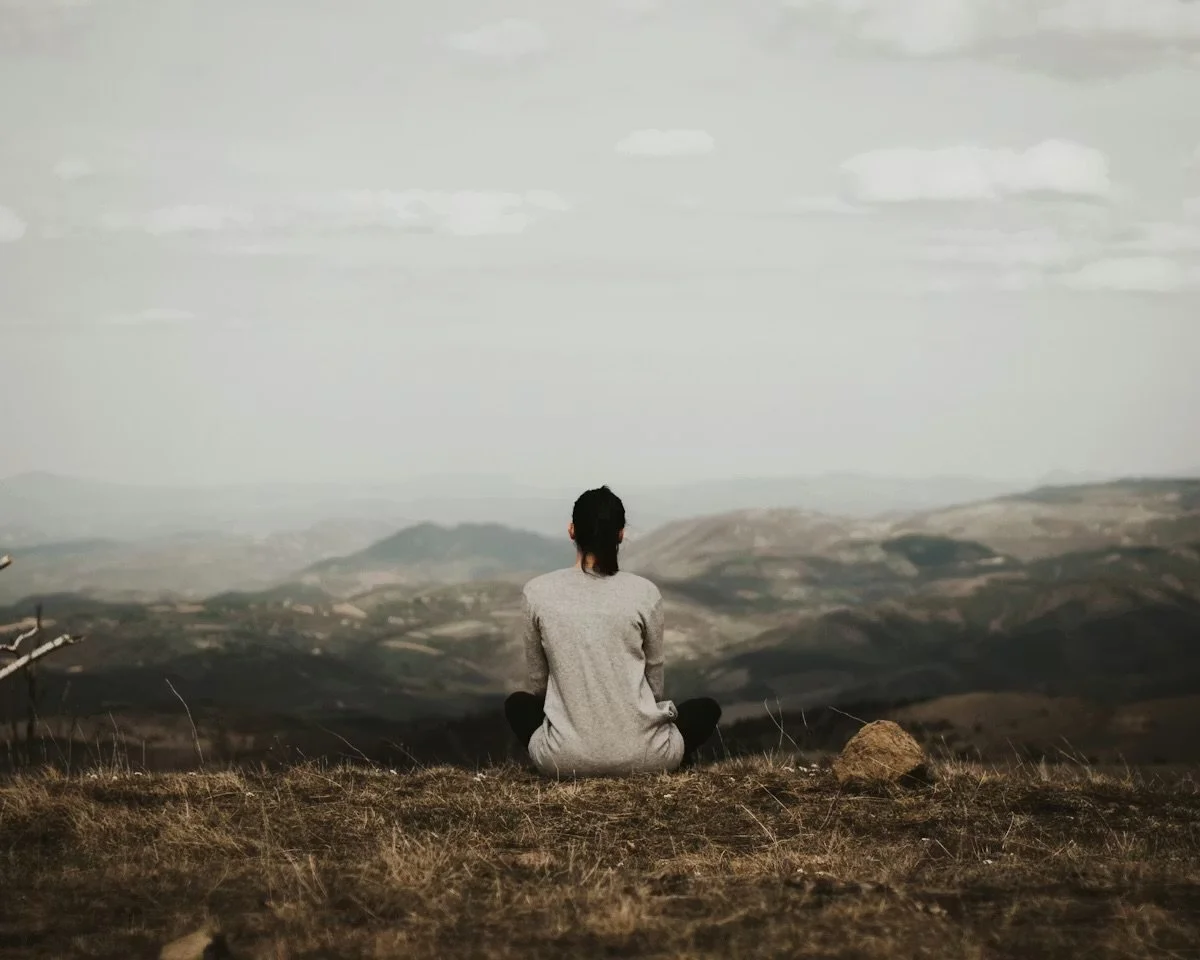
You may decide to interpret reflection in a more emotional or conceptual way…when we’re reflecting on a memory, a person or a moment in time. Perhaps expressed through a portrait…is there a ‘reflective’ story to tell from the way you draw or paint a figure or face.
If this theme sparks your interest, perhaps take a little time to sit quietly for a while with a coffee and a sketchbook. Doodle freely, jot down ideas, and see where your thoughts take you. Flick through books and magazines, or see what a Google search shows...explore the different ways “reflection” can be interpreted visually, then follow those threads to help you create your next work of art.
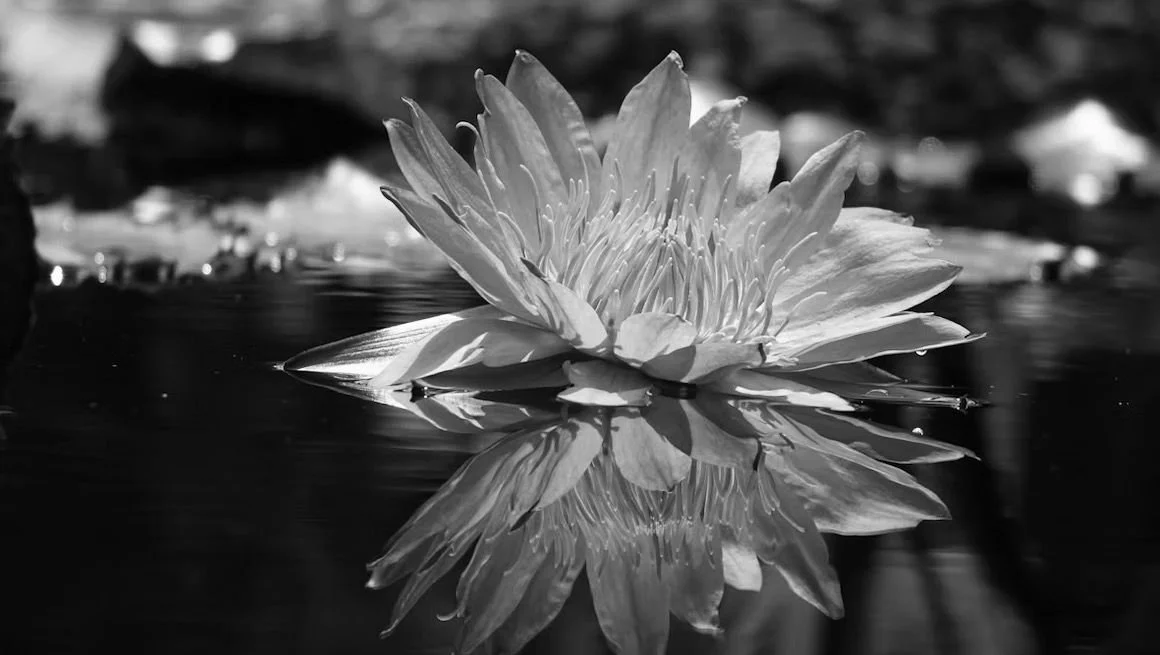
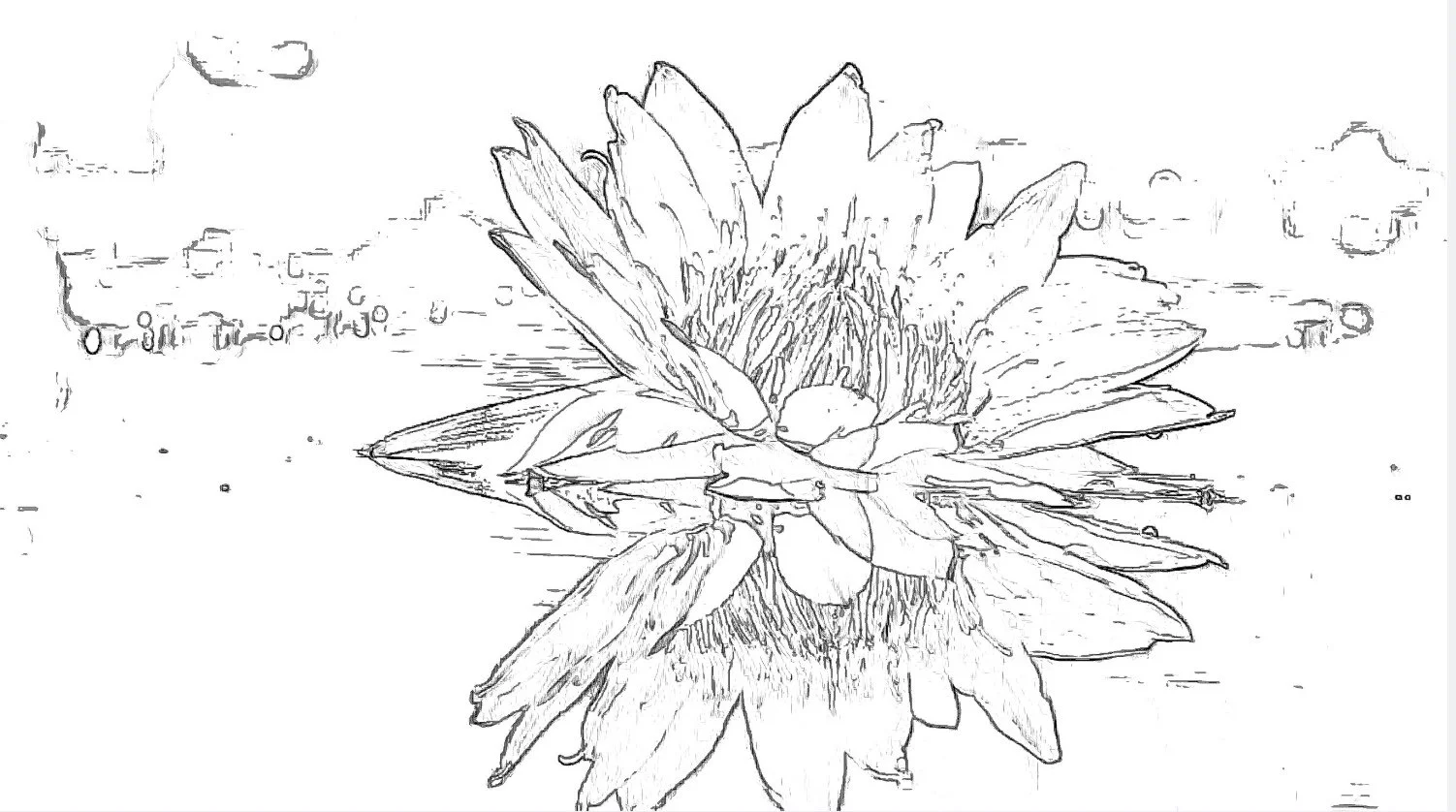
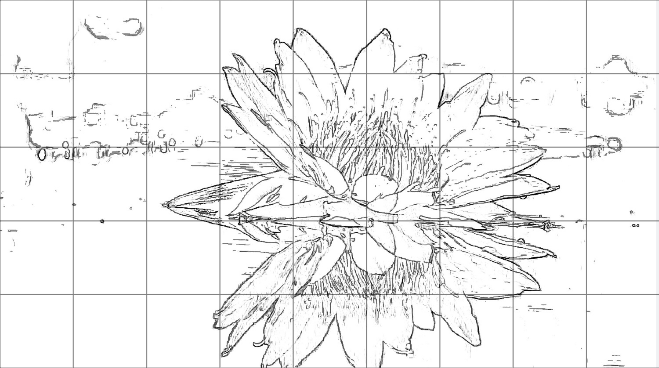
Things to consider...
So what do you think of when you hear the word 'reflection' …water, mirrors, shiny objects, glass, or something more deep and meaningful like a thought or memory...
Let your ideas flow - you may have something that comes to mind immediately, or you may just enjoy the process of playing and investigation.
Whatever you decide I hope this has given you a spark of an idea to follow - and if you'd like to share your finished pieces with me, then please do...I’d love to see them.
How could you capture reflection in a drawing or painting?
Which materials would be most useful to you?
What techniques could help you achieve the effect you want?
Do you want your picture to be a realistic interpretation or something more expressive or abstract?
Is it a daytime scene or something at night where you can play with light and colour?
How could you investigate these processes, could this develop into a series of paintings or be a sketchbook full of experimentation?
Please note: when using reference images, be mindful of copyright. Websites such as Pixabay and Unsplash offer royalty-free images that are safe to use. You might also discover that your own photographs provide the most meaningful and personal starting point.
Please click here to download the Canal Bridge PDF.
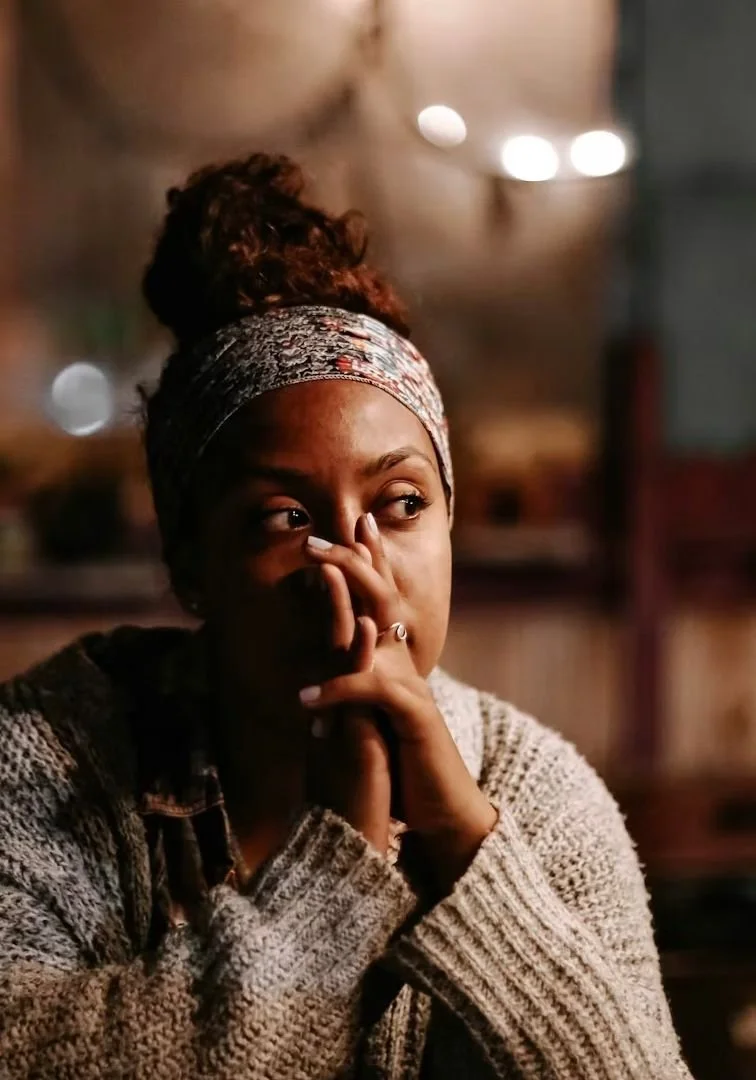
Colour Palette Inspiration
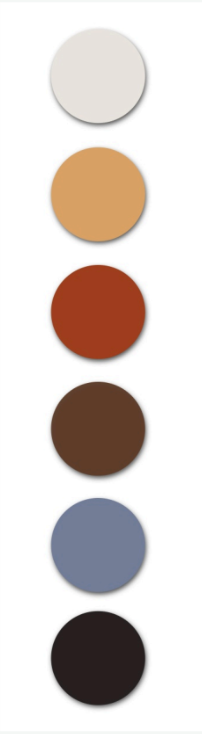
Colours aren’t just paint on a palette...they often suggest moods, places, seasons or even a new painting waiting to be discovered. Think of them as a ‘cast of characters' for your painting. Each colour with its own personality - some bold commanding attention, others quiet and more muted, offering you a softer, more gentle feel. Some will allow smooth transitions between colours, others will give you light, and on the opposite side of things, give you shadows and contrast. Learning about colour will be one of the most important aspects of your art adventure.
3 Ways to Play: choose one or all to experiment with...
Colour Mixing • begin by simply trying to mix/match the colours you see on the samples shown. Make a note of the colour you start with and then which ones you add to change it. What combinations are you making...what will lighten or darken them, what will make them warmer or cooler…or more muted? This is such great practice, helping to improve your colour knowledge, and training your eyes to identify and mix colours successfully.
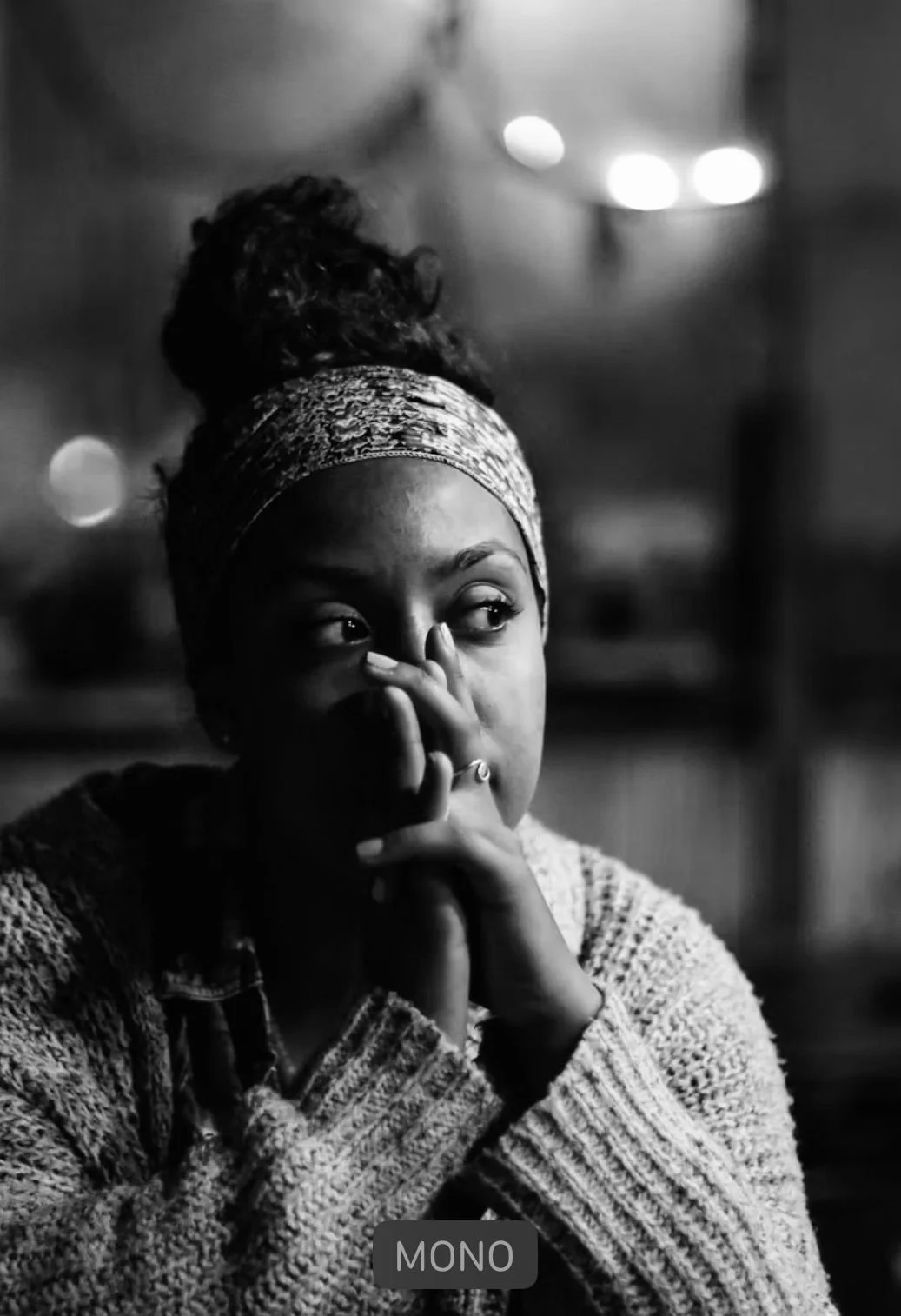
Use the Photo Reference • Use the colours and reference photo provided to paint your version of the scene in a medium you like - watercolour; acrylics or pastels...it doesn’t matter, just have fun.
Imaginative Play • Cover the reference photos so you’re not influenced by them. Now choose a colour palette and let that alone guide you. What do you feel when you look at the colours as a set, what do they suggest to you…a landscape or seascape; something floral perhaps, or a portrait? Do they give you a sense of warmth, cold, or something atmospheric; do you see a particular season; time of day or weather condition; do they make you feel happy or sad; do they have a sense or drama or tranquility…?
Explore what these colours mean to you,what they remind you of…then play. The important part is that your painting should belong to this colour family. Try to stay with them and see how they shape your colour mixing and ideas…feel free to add white/black to your palette if you need to lighten/darken tones.
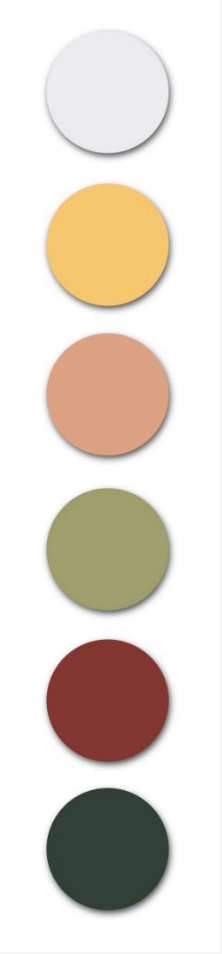
Canal Bridge
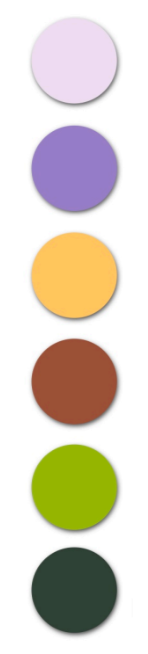
Water Lily
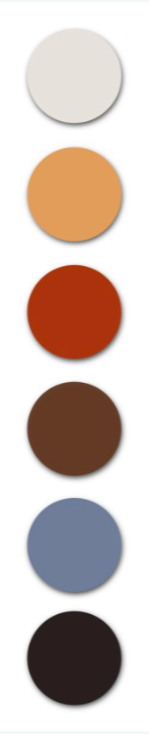
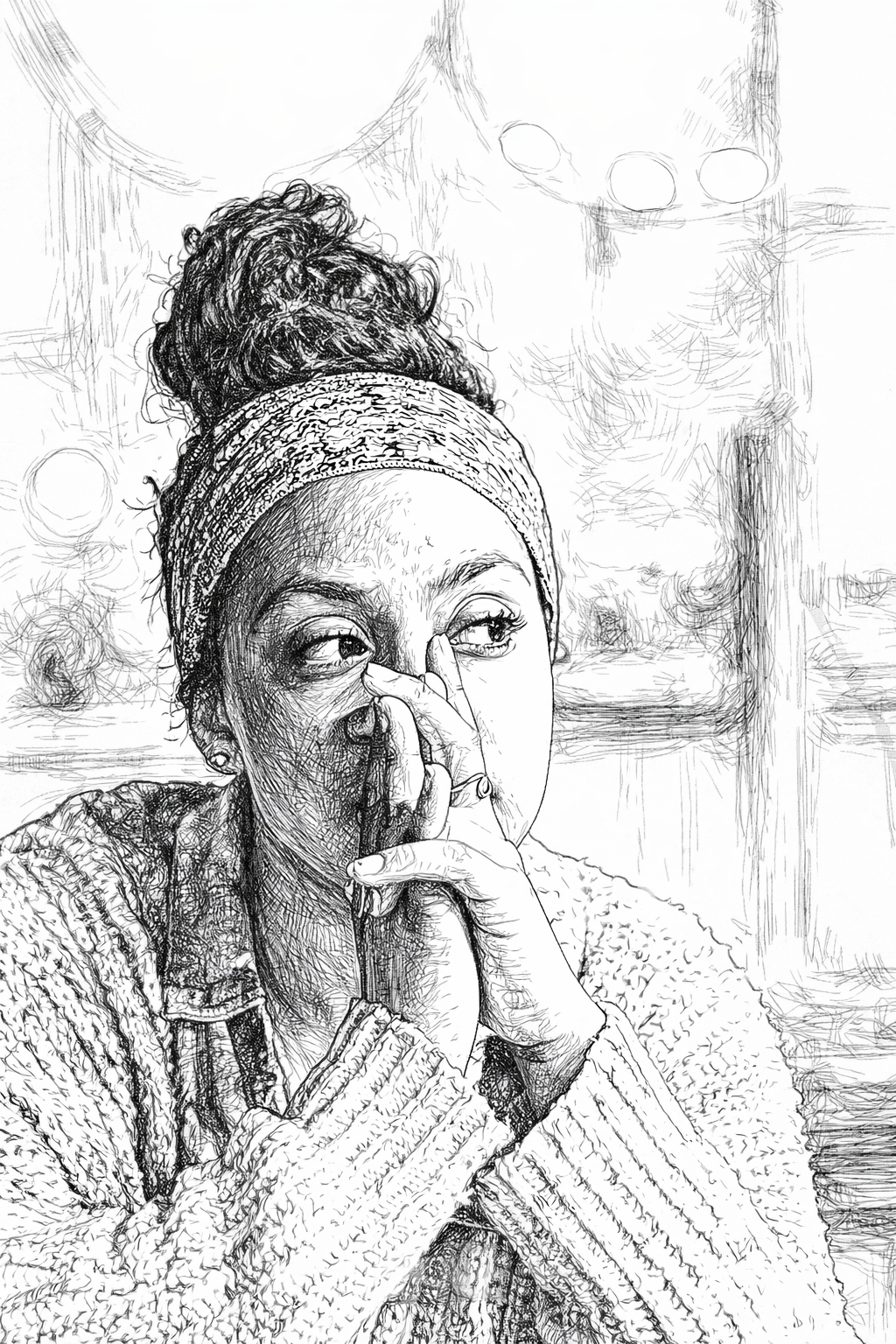
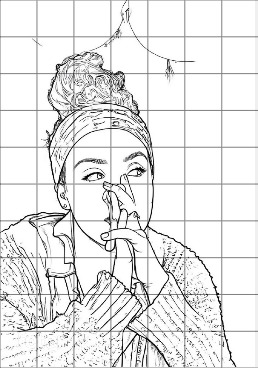
Girl Portrait